Last updated November 21, 2026
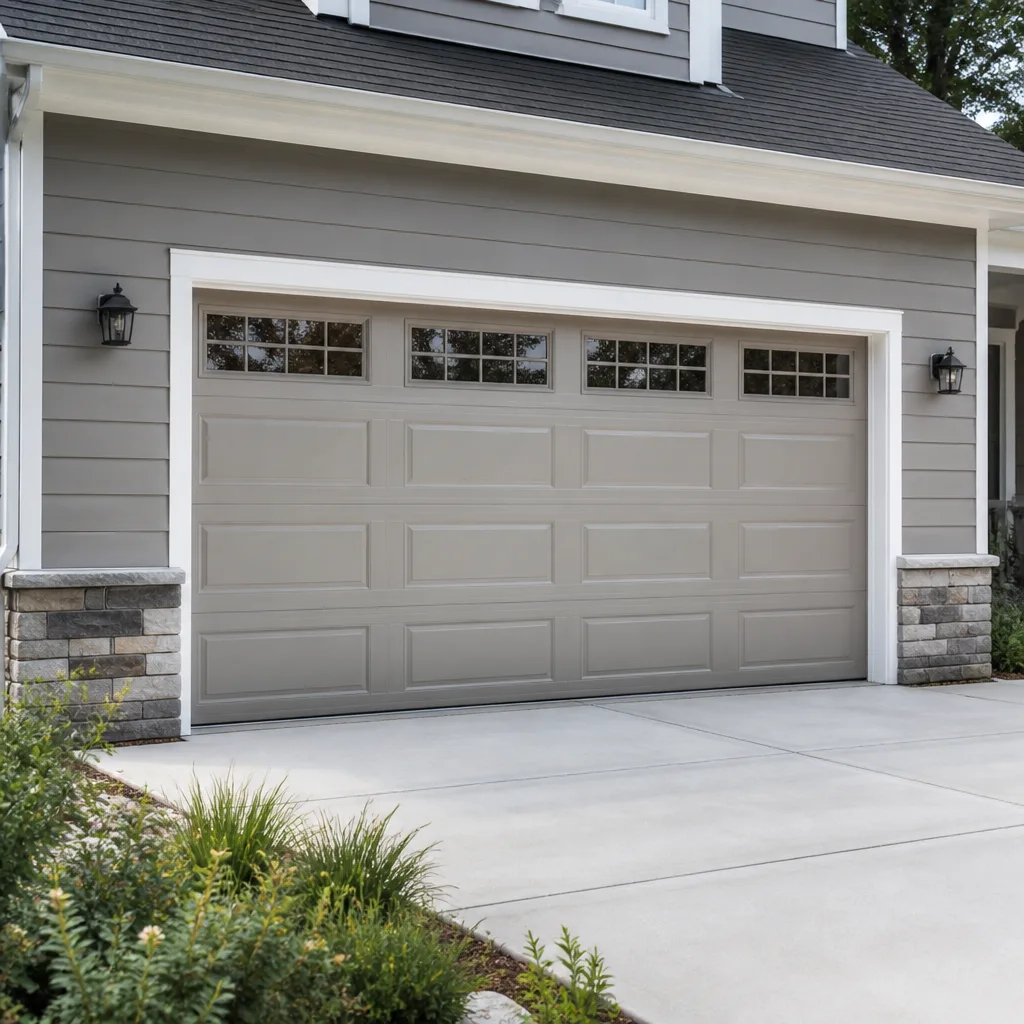 Raised-panel steel
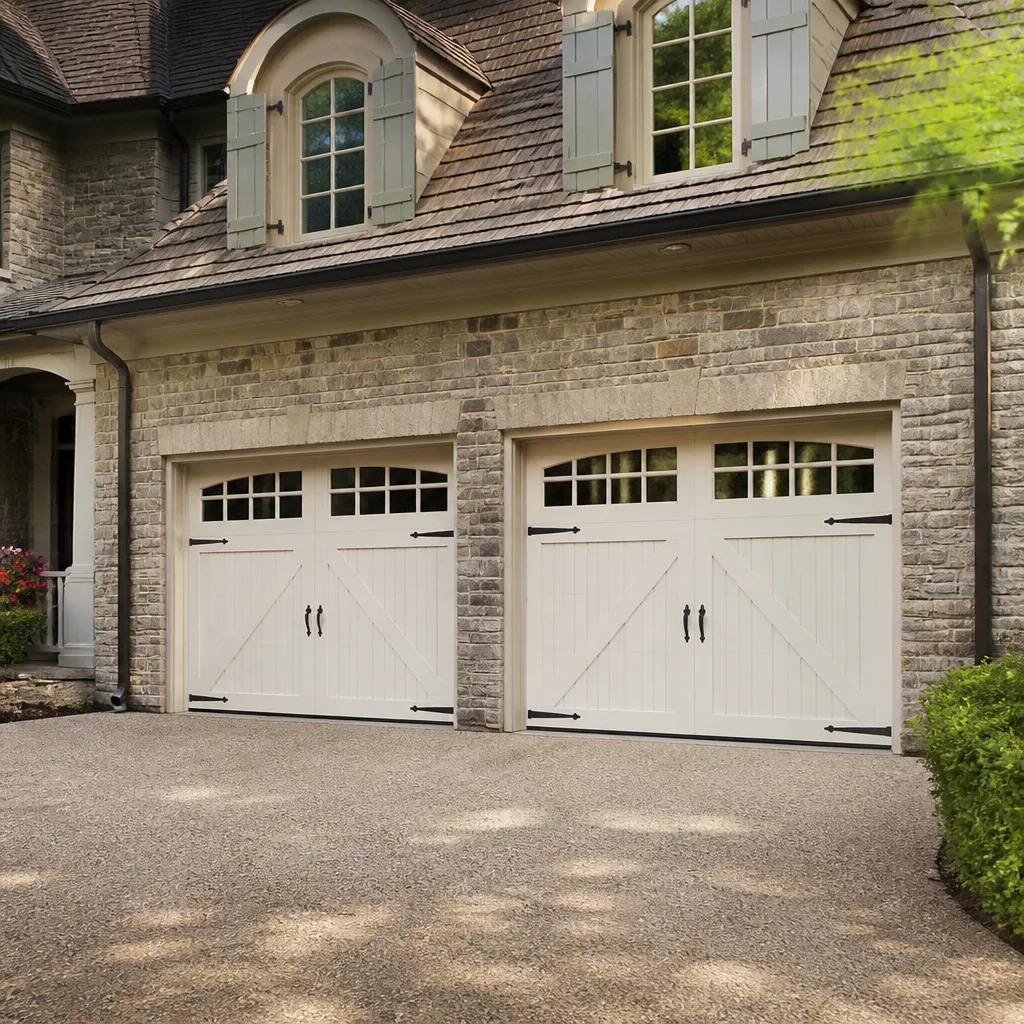 Carriage house
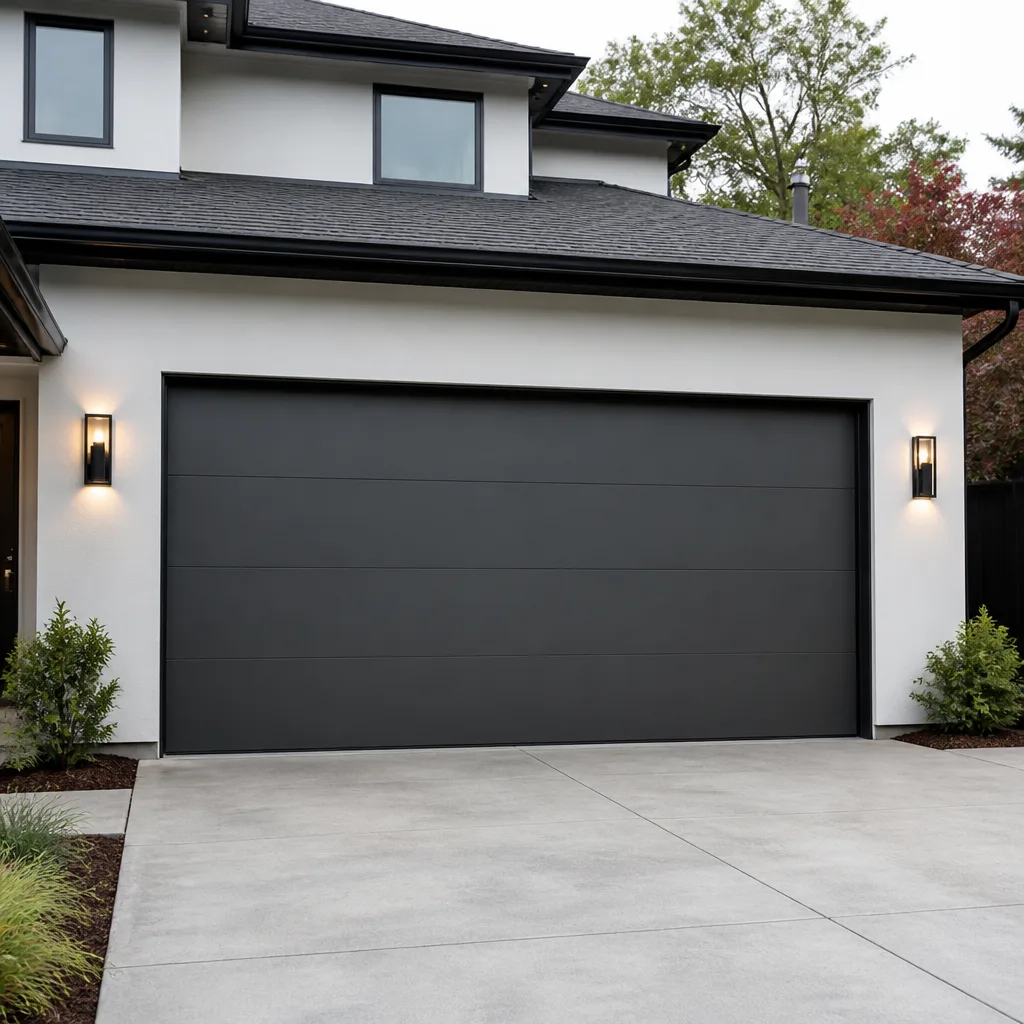 Modern flush
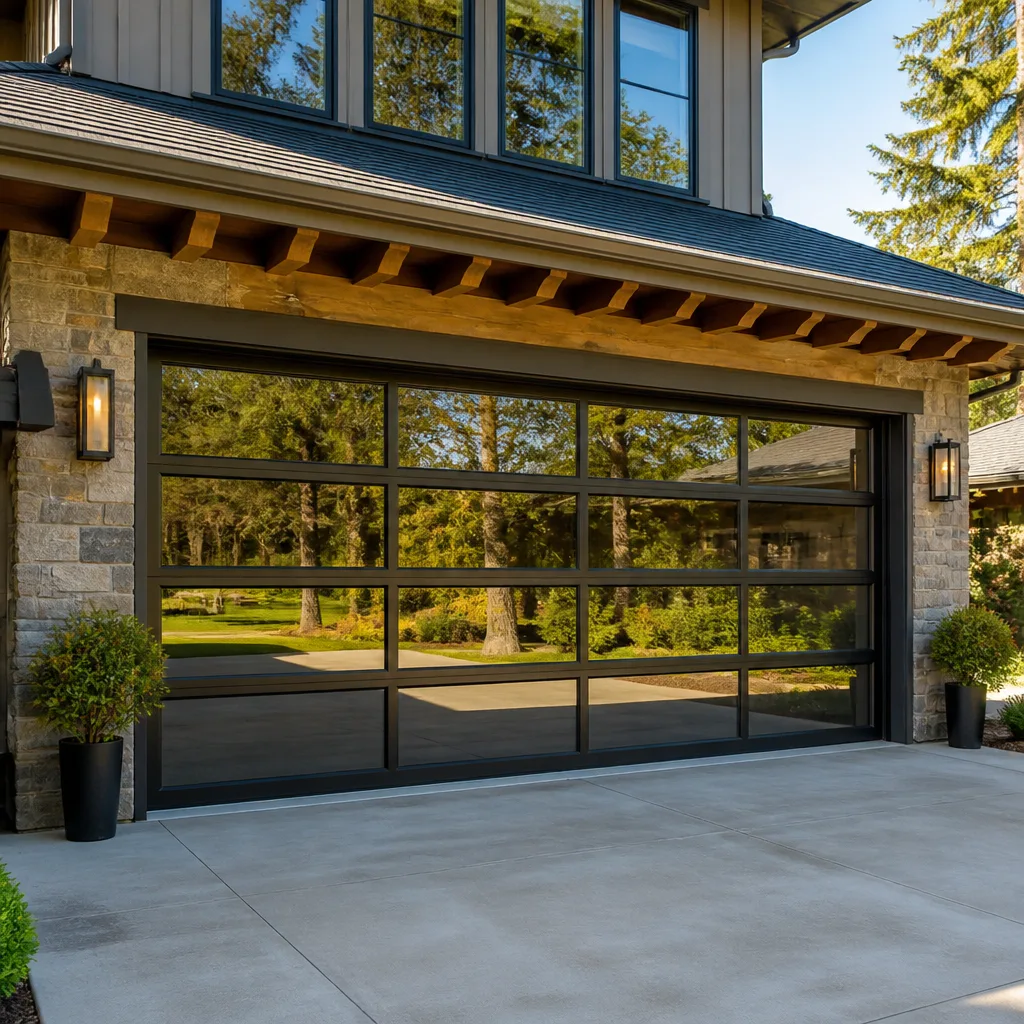 Full-view glass
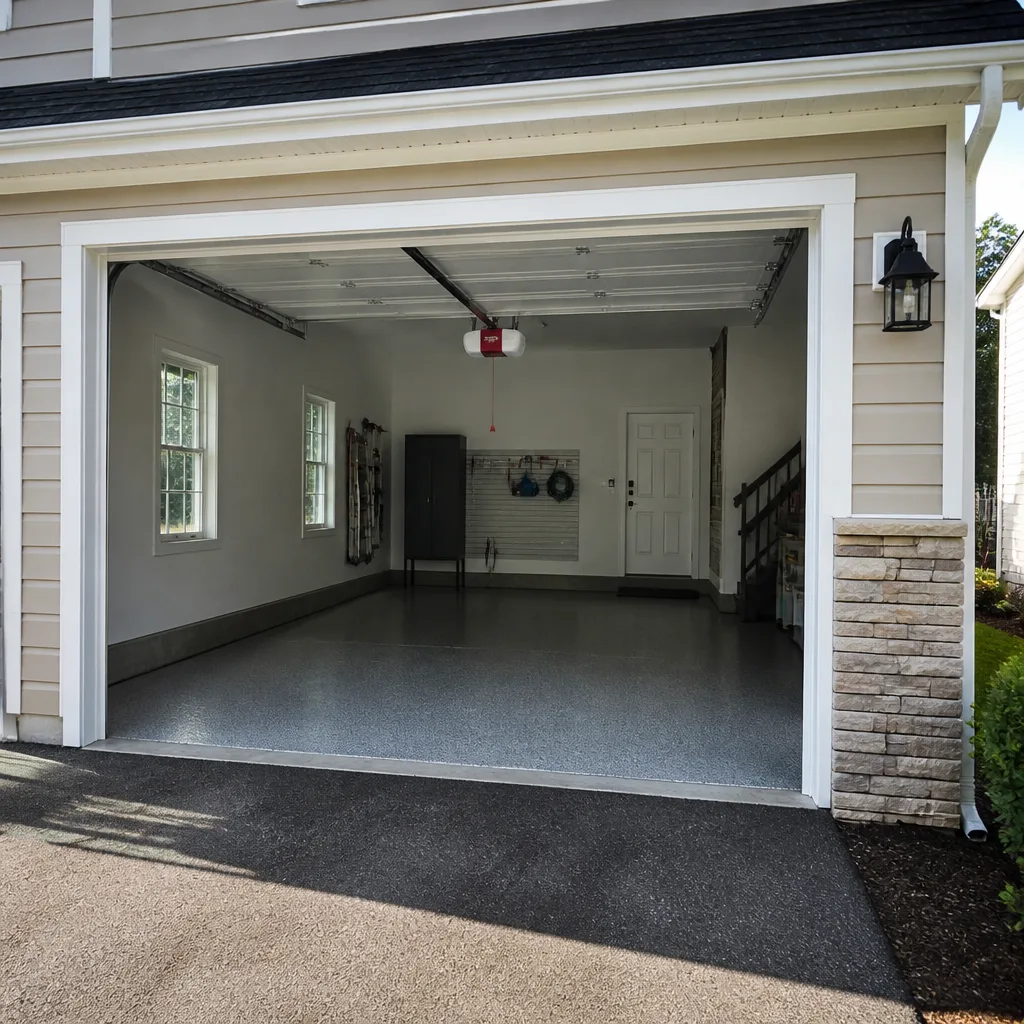 LiftMaster openers
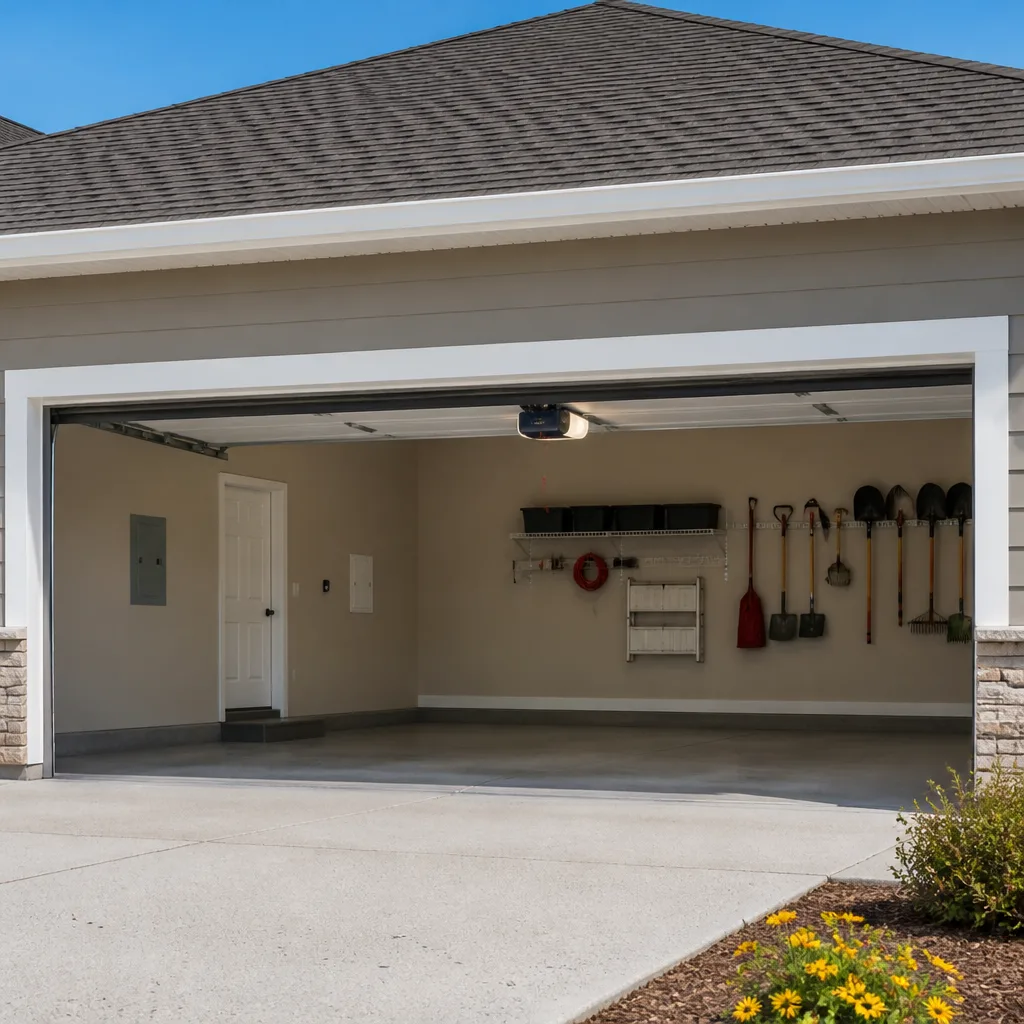 Chamberlain openers
Full 25-point door and opener safety check with every visit - springs, cables, rollers, tracks, and your LiftMaster or Chamberlain opener included
You get a price before we start. It does not change when the pro arrives.
Get your free estimateGarage Door Emergency Preparedness Guide for Bowie Homes
Most garage door emergencies in Bowie don’t start with a crash. They start with a power outage during a summer thunderstorm, a red cord hanging from the opener rail that nobody has ever pulled, and a car trapped inside. The surprise for a lot of homeowners is what happens after: pulling that cord wrong leaves the door disconnected and useless even once the power is back on. This guide covers the manual release procedure for the opener types we see most around Bowie, how to secure a door that won’t close overnight, what storm wind actually does to door hardware, and the two cheap parts that resolve a large share of after-hours failures. You’ll finish knowing what to do before a technician arrives – and when to stop and wait for one.
Quick Answer
If you face a garage door emergency in Bowie, the safe formula is: secure the opening, don’t force the door, and call a professional for anything involving springs, cables or electricity. A door you can raise and lower by hand without unusual effort is likely safe to operate manually until help arrives. A door that’s hanging unevenly, won’t move at all, or has a broken spring or snapped cable should be left alone. Emergency service exists for lockouts, doors stuck open, and doors that failed after a storm – call (833) 754-7945.
Styles & brands we work with
- Raised-panel steel
- Carriage house
- Modern flush
- Full-view glass
- LiftMaster openers
- Chamberlain openers
Table of Contents
- How do you manually release a garage door opener?
- How do you reconnect the door after the power comes back?
- How do you secure a garage door that won’t close overnight?
- What does storm wind actually do to a garage door?
- What should be in a garage door emergency kit?
- Which emergencies can you work around, and which can’t wait?
- How do opener brands like LiftMaster and Chamberlain respond to a failure?
- What changes about garage door emergencies in a Maryland winter?
How do you manually release a garage door opener?
Almost every residential opener in a Bowie garage has a manual release, and it’s almost always a red handle hanging from a cord on the carriage assembly. Pulling it disconnects the door from the opener arm so you can lift the door by hand. LiftMaster, Chamberlain and Genie all use this same basic design. The difference between a clean release and a permanent disconnect is how much force you use and what you do next.
The procedure for a standard belt or chain-drive opener:
- Close the door first if it’s up when the power fails. The door needs to be fully closed before you pull the release – pulling it with the door up can let it slam down.
- Check the door can move freely. With the door down, pull the release handle straight down with a firm but controlled tug. Don’t yank it.
- Lift the door by hand. If it rises with steady, even effort and stays up on its own, the springs are doing their job. If it feels like lifting a car, stop – that’s a spring problem, not a you problem.
- Lower it the same way and don’t let go until it’s fully closed.
Why the release needs to be pulled with the door down
During a power failure, the opener holds the door in whatever position it was in when the power cut. If it was open, the door is being held by the opener, not by the opener holding it down. Pulling the release with the door up drops the whole weight of the door onto the spring system – and if the spring has any weakness, that’s when it goes. Closing first, then releasing, moves the transfer of weight to a position where gravity is helping you rather than fighting you.
What happens if you pull it wrong
A hard or angled pull can bend the release lever or jam the carriage in the rail. That doesn’t break the door, but it does leave the opener disconnected with no clean way to re-engage it yourself – which is when a service call becomes mandatory. Gentle, straight down, door closed: that’s the whole trick.
When the opener itself is part of the failure – no lights, no click, no movement even with power – the problem shifts to garage door opener repair territory. A technician can tell you if it’s a dead motor, a blown logic board, or a safety sensor issue within minutes of arriving.
How do you reconnect the door after the power comes back?
Re-engaging the opener is where a lot of Bowie homeowners get it wrong. The carriage assembly needs to slide back into the pull arm on the opener’s drive mechanism, and it only re-engages when the opener moves the carriage forward against it. The correct procedure is simple if you do it in order:
- Close the door fully by hand and leave it closed.
- Restore power to the opener and press the wall button once. You’ll hear the opener motor run without moving the door – that’s normal.
- Press the wall button again. The opener should now pull the carriage into the release arm and lock it in. The door will then move under normal operation.
- Test the safety reverse. Put a block of wood (or the box your opener came in) in the door’s path and close it. The door should reverse on contact. If it doesn’t, call a technician before using the door.
When the door won’t re-engage
Three common reasons: the release lever is bent from the initial pull, the carriage is stuck in the middle of the rail, or the opener has lost its travel limits after power came back. All three are quick fixes for a trained technician and all three are worth getting right. A door that looks connected but isn’t locked to the carriage can run down onto a car or a person – force the re-engagement check every time, not just the first.
What about smart openers?
Chamberlain’s myQ and LiftMaster’s Wi-Fi models behave the same way on a manual release. The app will show the door as “offline” or “disconnected” while the carriage is free, and re-engaging through the wall button will bring the app back into sync. If the app won’t reconnect after a power outage, a soft reset (unplug the opener for 30 seconds, then plug it back in) clears most of those cases.
How do you secure a garage door that won’t close overnight?
A door stuck open in Bowie at 10 p.m. is a security problem and a weather problem. It also happens to be one of the most common after-hours calls we handle – a broken spring on one side is enough to leave the door unclosable because the other spring can’t lift half of a door safely. The goal is to get the opening closed, not to fix the door.
For a door that will not close because of a broken spring, snapped cable or bent track:
- Don’t force the door down. A door with a broken torsion spring can slam down under full weight. A door with a snapped cable can drop on one side. Both are injuries waiting to happen.
- If one spring is broken and the other intact, use a second person to guide one side of the door down slowly while you support the other. If you can’t do that safely with two strong adults, leave it open.
- Block the opening from the inside if you can’t close the door – a car parked tight against the opening, or furniture braced across the frame, secures the space until morning.
- Don’t wedge anything under a partially closed door that’s already under tension. A door propped mid-travel can come down without warning.
Blocking the panel without a working door
If the opening has to be secured and the door is non-functional, the fastest thing is a piece of plywood cut slightly wider than the opening, screwed to the interior frame. Not pretty, but it closes the opening against weather and stops anyone from walking in. Bring it inside before the storm if you can – a cut-to-size panel stored against the wall is the difference between a 10-minute fix and a night of watching the rain come in.
Get the door inspected, not just closed
Once the door is closed, don’t assume you’re done. A broken spring that let the door down can also have bent a hinge, thrown a roller out of the track, or left a cable loose on a drum. garage door spring repair is the first step, but the door needs a full check of tracks, rollers, hinges and the opener’s force settings before anyone uses it normally.
What does storm wind actually do to a garage door?
A garage door is the largest moving opening in a Bowie home, and it’s also the weakest wall in a lot of houses. During a severe thunderstorm or a strong wind event, the door takes wind load across a wall of 7 to 9 feet tall on average. Wind pushes the door inward, then releases, then pushes again. Over a dozen repetitions, that cycle shows up in the hardware:
- Bowed or stressed panels. A panel that flexes under wind load stays flexed, and a bowed panel doesn’t seal against the frame.
- Bent hinges and popped rollers. The hinge points are the weakest part of the assembly and they take the most abuse.
- Track separation. Vertical tracks can shift away from the frame, especially where the fasteners have loosened over time.
- Opener strain. A door that’s been flexed runs heavier on the opener, which drives up motor wear for months after the storm has passed.
Why a door that looks fine after a storm still needs a look
Hail is uncommon in Bowie, and most storm damage here is wind-related rather than impact. That means the visible damage is often nothing – the door looks normal, the opener runs, the door opens and closes. The failure shows up three weeks later when a hinge that got stressed finally lets go, or when a roller that got nudged out of its track finally pops. A fifteen-minute inspection after a big wind event catches those before they become an emergency at the wrong time. Ask specifically about panel flatness, hinge tightness and how the door tracks in the vertical sections – those three checks catch most storm-related damage.
What to check yourself
You can eyeball the inside of the door for: panels that look warped against a straightedge, tracks that don’t align with the frame, hinges that look bent, and cables that look loose on the drums. If any of those is off, don’t run the door – a professional inspection is worth the call.
What should be in a garage door emergency kit?
Most after-hours garage door failures fall into a handful of categories: opener can’t get signal, safety sensor knocked out of alignment, door off its track on one side, or a manual release that got pulled and can’t re-engage. Two small items cover a surprising share of those. Keep them somewhere in the garage you can find without turning on lights:
- A spare opener remote, stored in a drawer or on a hook, not in the car. If the main remote fails, you’re not locked out.
- A spare battery for the wall or remote unit, plus one for the keypad. Dead keypad batteries are one of the most common “door won’t open” calls, and they’re a two-minute fix.
- A small adjustable wrench for snugging up a sensor wing nut that got bumped.
- A labeled, cut-to-size plywood panel for the opening (see the section above), stored against the wall.
- A short piece of 2×4 or a wooden block for testing safety reverse after re-engaging the opener.
- A flashlight and a printed list of your opener model and brand. LiftMaster, Chamberlain and Genie all label the model on the back of the motor housing – knowing it saves time on the phone.
That’s it. None of it needs to be expensive, none of it needs to be kept in a bag, and all of it fits in a small cardboard box on a shelf. The point is that when the door fails at 11 p.m., you’re not digging through a junk drawer by phone light.
Which emergencies can you work around, and which can’t wait?
The single most useful skill in a garage door emergency is knowing which situations are inconvenient and which are dangerous. Springs, cables and the opener’s electrical panel are the three areas where a mistake can hurt someone, and none of them should be worked on by anyone but a trained technician. Everything else is usually manageable.
Safe to work around temporarily
- Opener won’t respond but the door lifts by hand smoothly – operate it manually until a technician can look at the opener.
- Safety sensors bumped out of alignment – straighten them and align the lights, then test.
- Remote dead or keypad not responding – use the wall button, replace the battery, then call if it persists.
- Door stuck open but the springs feel normal – pull the manual release with the door in the down position, close it by hand, and secure the opening.
Call immediately – don’t touch the door
- A snapped torsion spring or a coil of broken spring visible on the shaft – the tension in the other spring is enough to move the door dangerously if you try to operate it.
- A cable that’s unspooled from a drum or is hanging loose – cables are under extreme tension and can cause serious injury.
- A door hanging unevenly or on one side – a bent track or broken hinge means the door can come down out of the frame.
- Any sparking, burning smell or visible damage at the opener or wall outlet – unplug the opener and call an electrician or garage door technician before anyone touches it.
If it’s one of the “call immediately” scenarios, call (833) 754-7945. Boulder, Idlewild, Woodmore and the neighborhoods around Belair Road all get the same professional response – the door’s location doesn’t change what’s safe to do.
How do opener brands differ in a failure?
The brand of your opener shapes what fails first and what the technician needs to check, which is why we keep familiar with the eight major residential brands – LiftMaster, Chamberlain, Genie, Clopay, Amarr, Wayne Dalton, Craftsman and Raynor. In a Bowie garage, the distribution is pretty even, and each brand fails in a way that’s worth knowing.
LiftMaster and Chamberlain
These two share a lot of internal architecture, including the myQ smart-home system on newer units. The most common after-hours failures are: travel limits drifting after a power outage (the door stops short of the ground or reverses before it should), safety sensors losing alignment, and app connectivity dropping. All three are usually quick fixes. When the door is stuck open and the opener won’t respond, the manual release procedure is the same as any chain or belt drive – close first, pull the red cord, don’t force.
Genie and Craftsman
Older Genie and Craftsman units show up a lot in older Bowie neighborhoods, and their failure patterns skew toward worn drive gears, dying logic boards and remotes that lose their rolling code after a battery change. A Craftsman opener that “just stops” mid-cycle is more often a worn drive gear than a motor problem. A technician who knows the brand can usually diagnose it without replacing the whole unit – which is a lot cheaper than a new install, and a decision worth making after the diagnosis, not before.
Clopay doors
Clopay doors are common locally and the door side of the equation matters as much as the opener. Panel delamination, hinge wear at the corners, and roller replacement at the mid-hinges are the three things a technician will look at first after storm damage or a manual release that went sideways. A Clopay door that was forced can have cracked panel edges that don’t show from outside – another reason to get the door checked once it’s closed.
If your opener is the failing component and not the door, our garage door opener repair page covers what a diagnostic visit looks like and what a same-day repair typically involves.
What changes about garage door emergencies in a Maryland winter?
Bowie winters are cold enough to matter for garage door hardware. The failure pattern shifts from storm damage to temperature-related issues – and the same “close it, secure it, call for help” sequence applies.
- Frozen thresholds. A door that won’t close all the way is often fighting ice under the bottom weather seal. Chipping it out carefully clears the door travel.
- Stiff springs and greased tracks. Cold grease gets thick, and a door that runs easily in July can run noticeably slower in January. If the door feels sluggish, get it serviced before the spring takes the extra strain.
- Battery failures. Remotes and keypads die faster in cold weather – use the spare-battery part of your emergency kit.
- Snow-plowed drifts against the door. A door pushed against a snowbank won’t close fully and can stress the bottom panel. Clear the drift before operating.
The opener that “just stops working” in January
Nine times out of ten, it’s not the opener. It’s a stiff door (see grease and spring stiffness above) or a travel limit that was set in summer and is now short of the ground. A trained technician can reset the limits and service the door in one visit – and if the opener really is on its way out, you’ll get an honest diagnosis rather than a “you need a whole new everything” pitch. The multi-brand service we run is built around that principle: we work on the brand you already have.
Common Mistakes to Avoid
- Pulling the manual release with the door up. Close the door first. Pulling the red cord with the door open drops the door’s full weight on the springs and can cause a slam.
- Yanking the release cord. A hard or angled pull bends the lever or jams the carriage. Gentle, straight down, door closed.
- Forcing a door with a broken spring down. The remaining spring holds enormous tension. A door dropped on a person or a car is the most common serious injury in this trade.
- Assuming the door is fine because it opened and closed once. After a storm, a manually released door, or any door that had a component fail, get it inspected – a door that worked once can fail the next time.
- Missing the post-power-outage safety reverse test. After re-engaging the opener, always test the safety reverse. A door that doesn’t reverse can crush a child or a pet.
- Replacing the opener when the door is the problem. Stiff springs, worn rollers and bent tracks make openers strain and seem “broken.” Diagnose first, replace only when it’s the right call.
- Keeping the emergency kit in the car. If the door fails with the car inside the garage, the spare battery and flashlight are locked in with it. Keep the kit in the garage.
See the difference
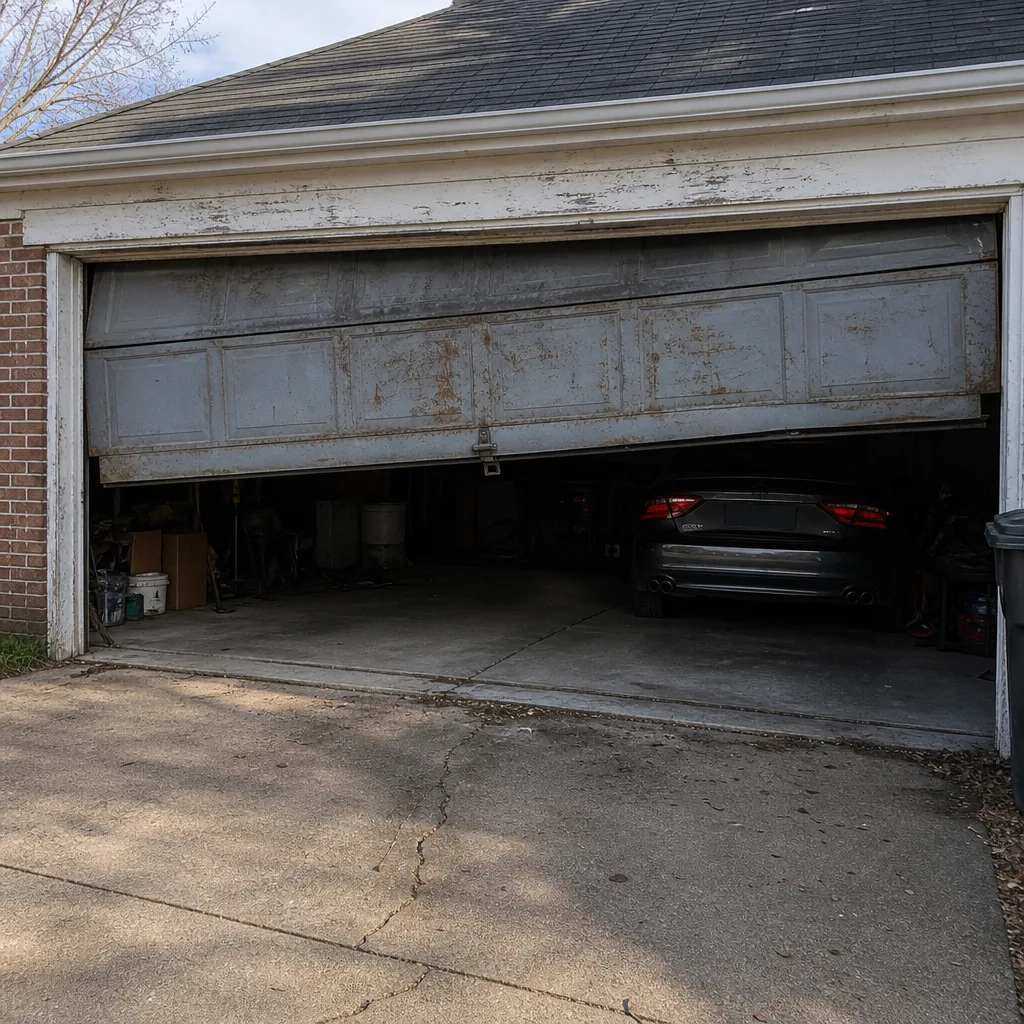 Before
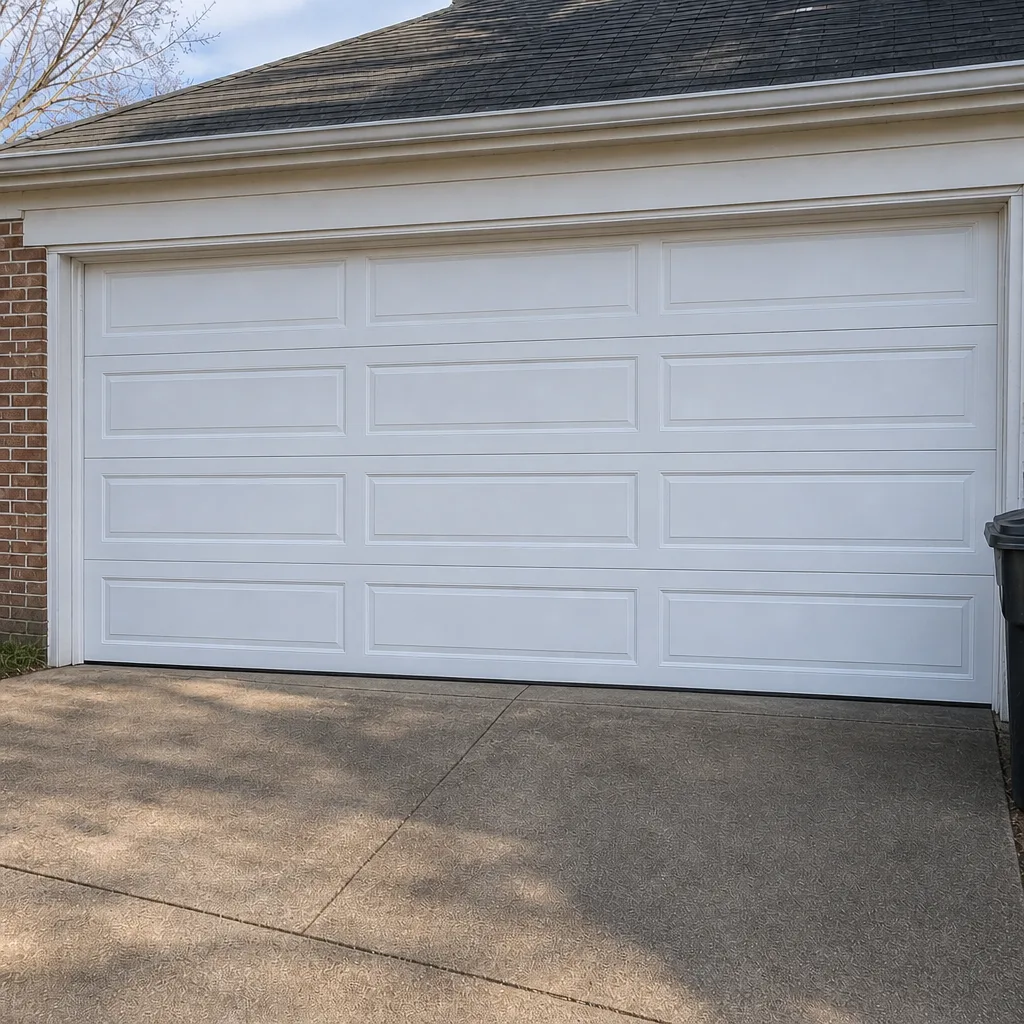 After
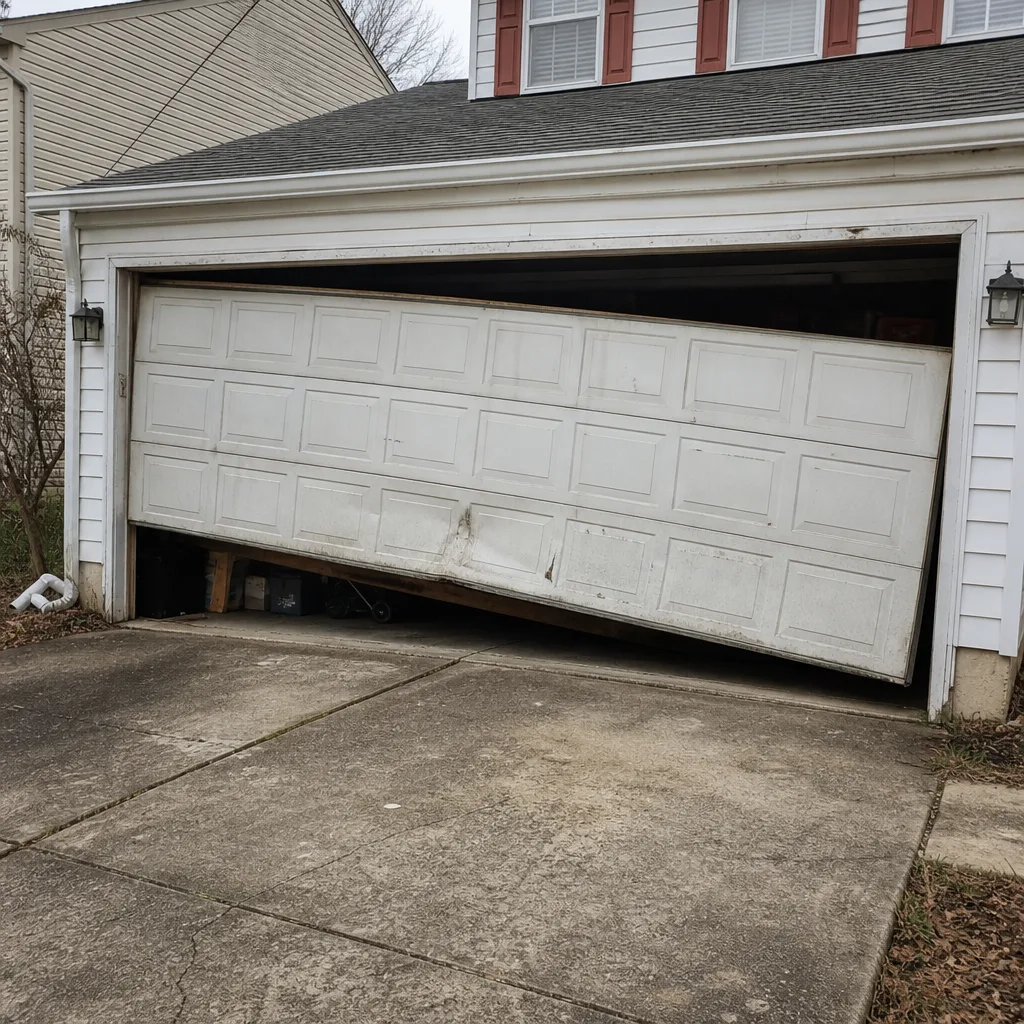 Before
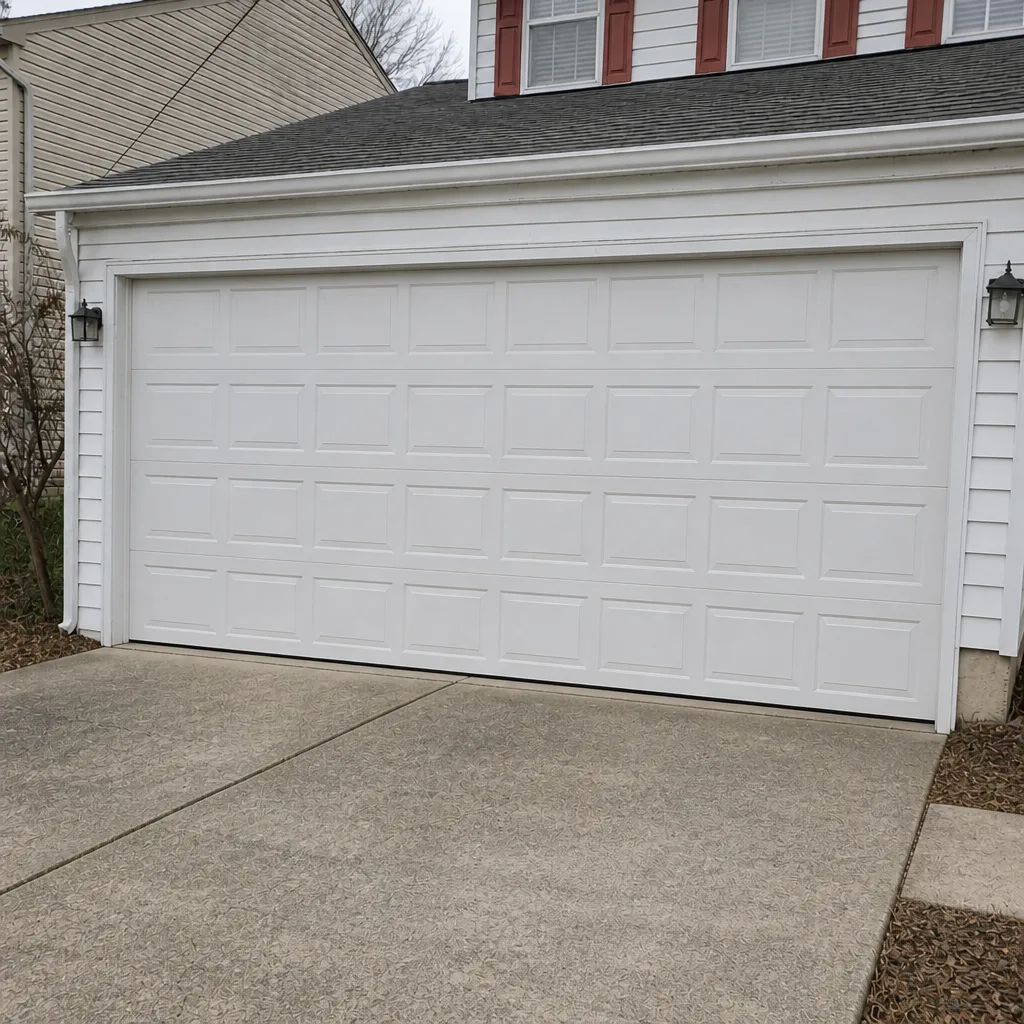 After
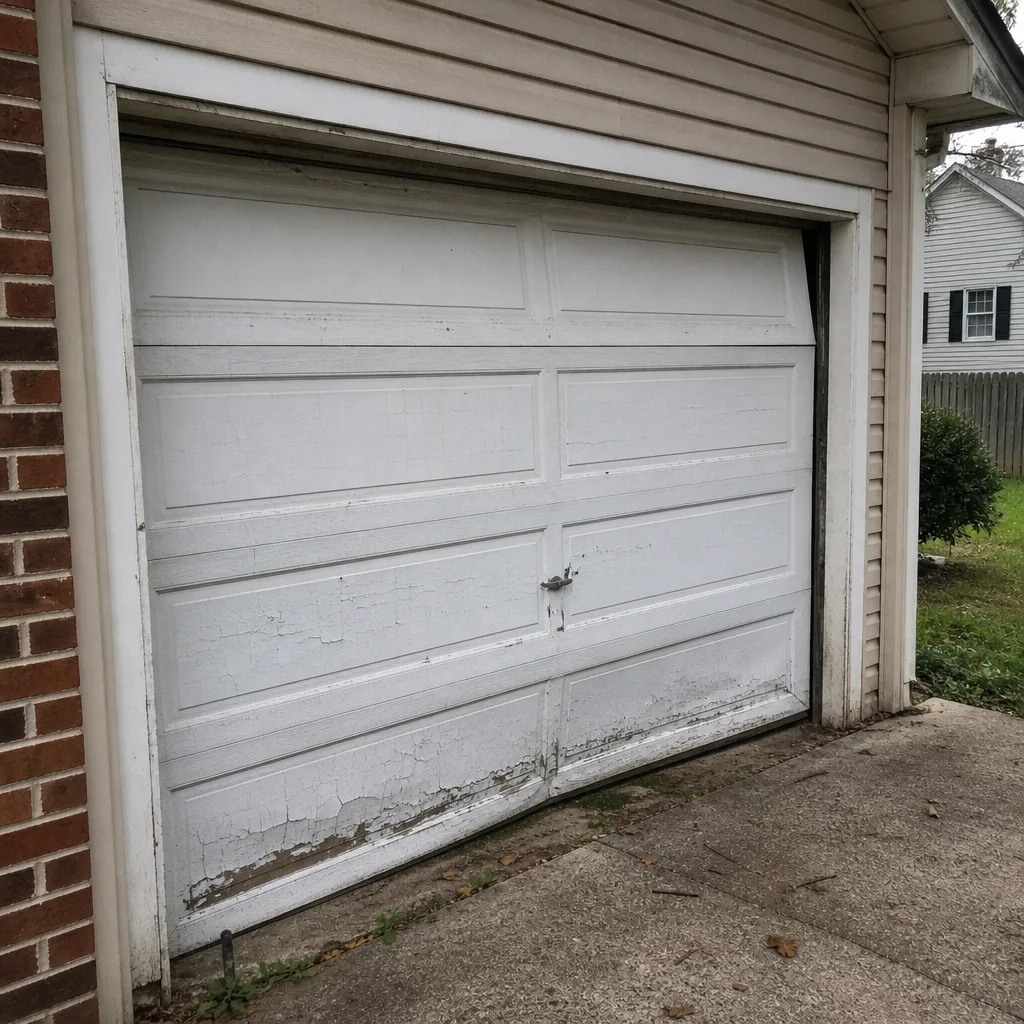 Before
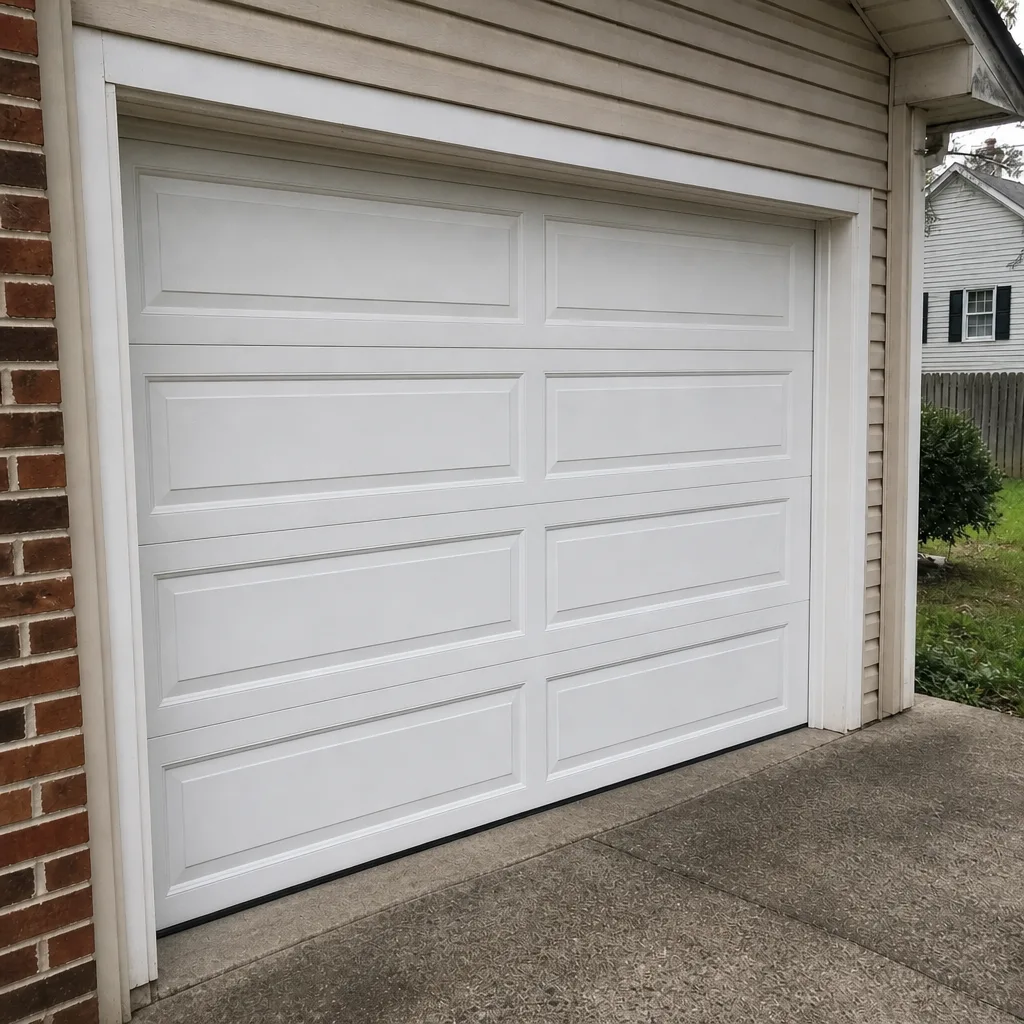 After
When to Call a Professional
Call for help immediately when a spring is broken, a cable is snapped or unspooled, the door is hanging unevenly, the opener is sparking or burning-smelling, or the door won’t close and the hardware looks stressed. Do not try to operate a door in any of those states. For less critical situations – an out-of-alignment sensor, a dead remote battery, a door that opens and closes by hand but not from the opener – you can manage the door safely until a technician arrives. In our experience, the calls we get that turn into real emergencies are the ones where someone forced the door first and called second. If you’re unsure which category you’re in, call (833) 754-7945 and describe what the door is doing. Bowie Garage Door Repair Pros offers free estimates in Bowie – and a quick phone description is often enough for us to tell you whether to wait or call it in.
Frequently Asked Questions
Yes, on any standard residential opener, if you pull the manual release with the door fully closed and lift it by hand. If it rises smoothly and stays up, it’s safe to operate manually until power returns. If it feels very heavy or won’t stay up, stop – that’s a spring problem and should wait for a technician. Call (833) 754-7945 if the door won’t behave.
Close the door by hand, restore power, press the wall button once to run the opener motor, then press it again to pull the carriage into the release arm. Always test the safety reverse afterward – place a block in the door’s path and close it; the door should reverse on contact. If the door won’t re-engage or the safety reverse fails, call a professional before using the door.
Secure the opening first, then call for service. If you can guide the door down slowly with two people and it closes fully, do that. If it won’t close, brace the opening from the inside with furniture or a car, or screw a cut-to-size piece of plywood across the interior frame. Don’t force a door with a broken spring or snapped cable – call (833) 754-7945 and we’ll get someone scheduled for an emergency response.
That depends on your policy and the cause – storm-caused damage is often treated differently from wear-and-tear or a broken spring. Every policy reads differently, so the right move is to call your insurer and describe what happened. We can work with your insurer if the claim moves forward, and we provide documentation of the damage and the repair estimate on request.
Most emergency repairs fall in the $150 to $450 range, with costs driven by what failed – a sensor realignment is on the low end, a spring replacement and door service is on the higher end, and a full opener replacement goes above that. Spring prices are usually per spring, and a matched pair is typically replaced together, so a pair runs about twice the single-spring price. You’ll get the price in writing and agreed before any work starts. Call (833) 754-7945 for a free estimate.
An emergency call is for anything unsafe or unsecured – a door stuck open, a broken spring or cable, a door that slammed and now won’t move, or an opener that sparked. A regular call is for anything that can wait a day without risk to people or property. Both get the same professional response and the same written price before work starts. If you’re not sure, call us and describe the situation – we’ll tell you honestly which one it is.
The Bottom Line
The most useful prep for a garage door emergency in Bowie is knowing three things: how to pull the manual release with the door closed, how to re-engage the opener and test the safety reverse, and how to close or block the opening overnight. Springs and cables are the two things you should never touch – those wait for a trained technician. A small kit in the garage covers most of the rest. When the door fails, secure the opening, call for help, and don’t force anything. If you already know which category you’re in, one phone call gets it moving: garage door repair and emergency service, with the brand you already own. For an exact quote on any emergency or scheduled repair, call (833) 754-7945 – we’ll diagnose first and price in writing before any work starts.
Contact Bowie Garage Door Repair Pros
If your door is stuck, the opener is dead, or a spring just let go, call (833) 754-7945 for a free estimate. We work on the eight major brands – LiftMaster, Chamberlain, Genie, Clopay, Amarr, Wayne Dalton, Craftsman and Raynor – handle emergency response and scheduled service the same way, and give you a written price before any work starts. Our technicians have up to 9 years of experience on spring, opener and panel work, and we’ll diagnose the door before suggesting a replacement. That’s the whole approach at Bowie Garage Door Repair Pros: repair first, replace only when it makes sense.
Written by the team at Bowie Garage Door Repair Pros.