Last updated November 21, 2026
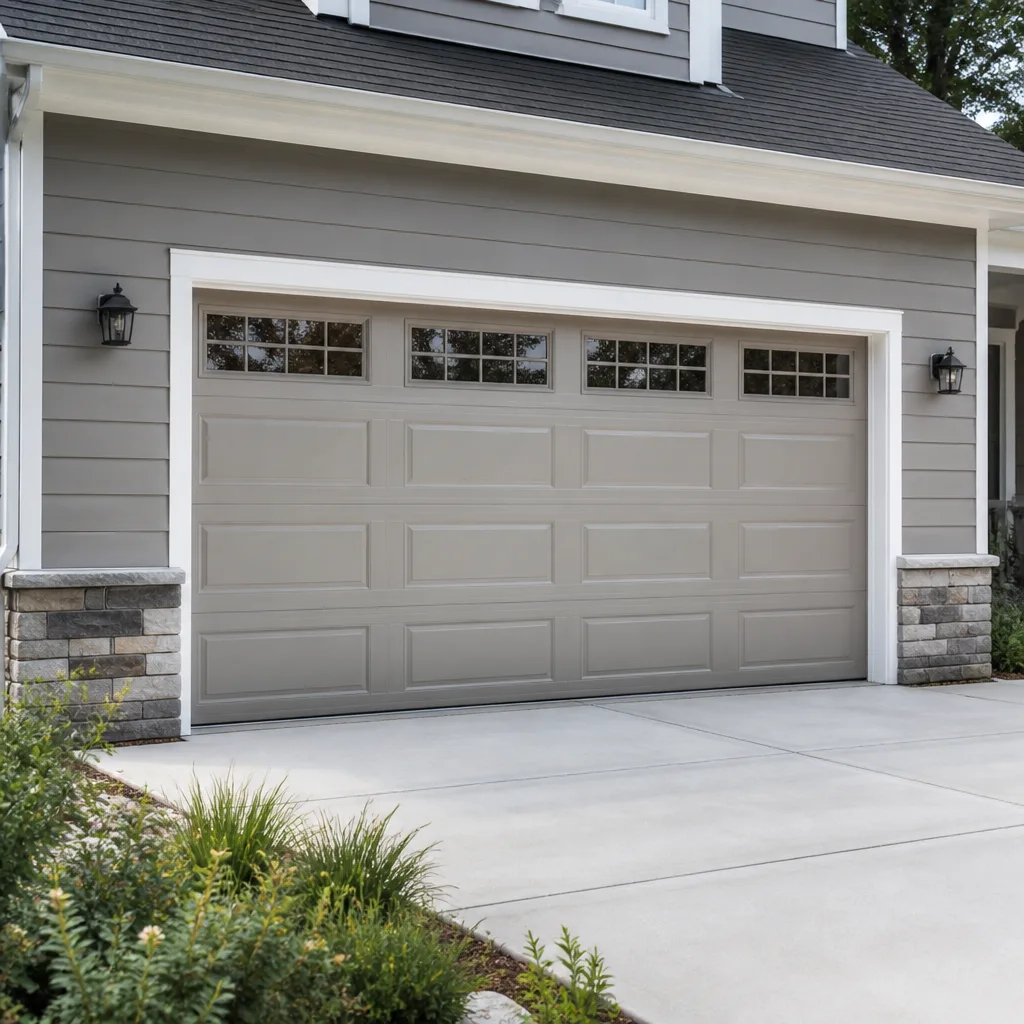 Raised-panel steel
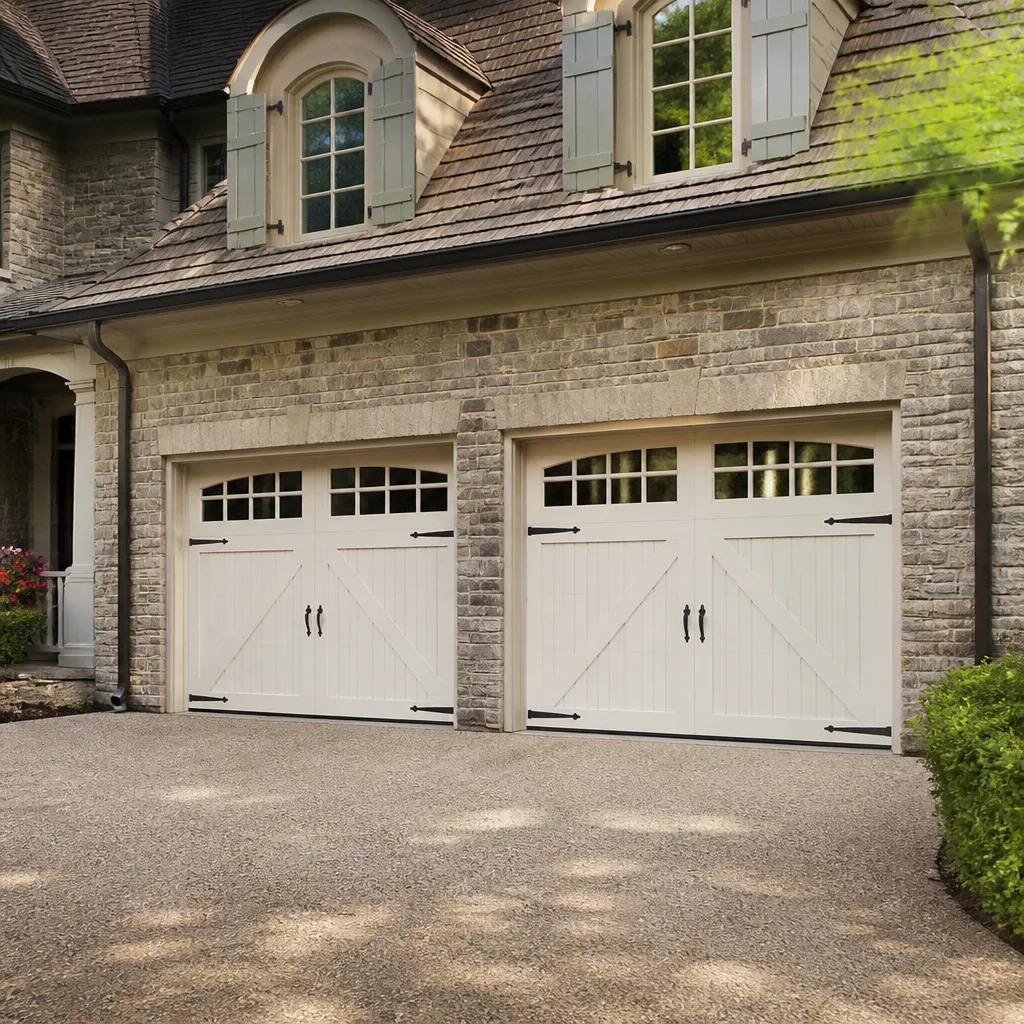 Carriage house
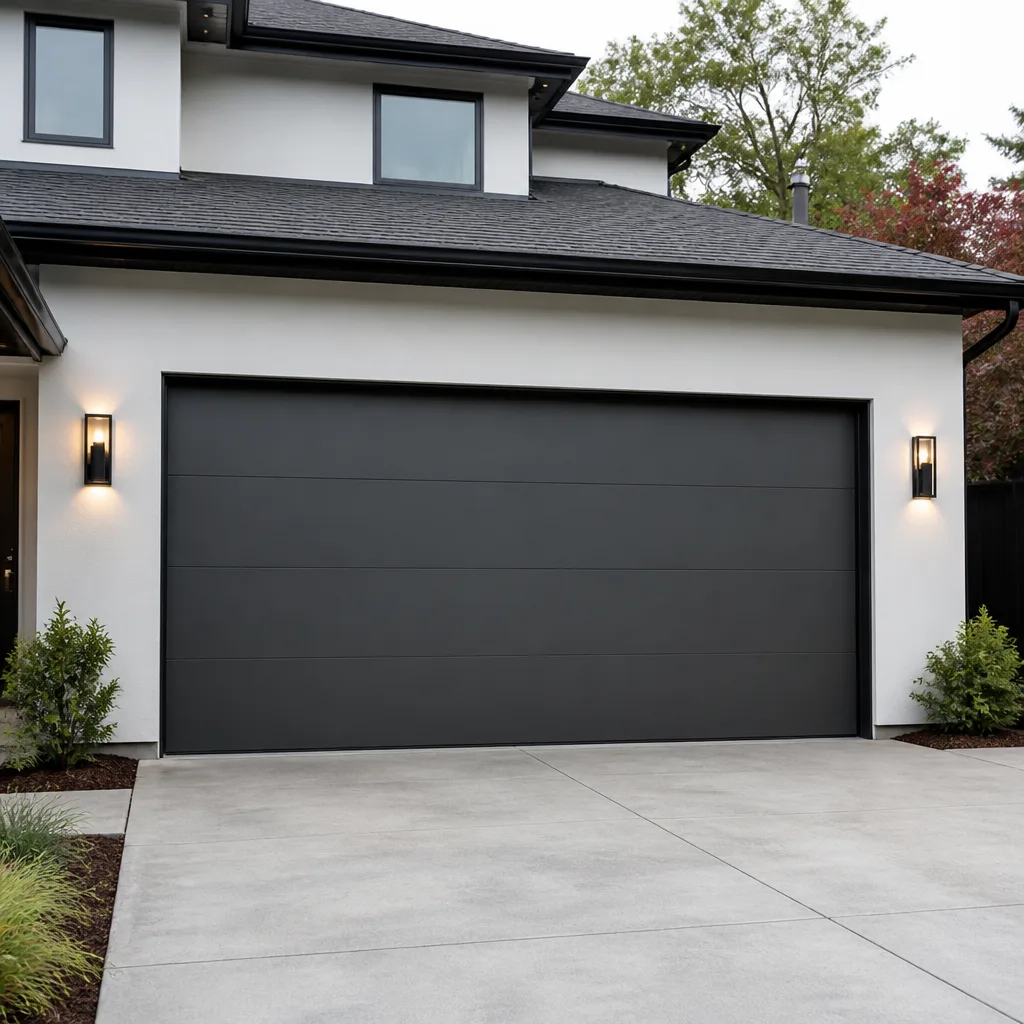 Modern flush
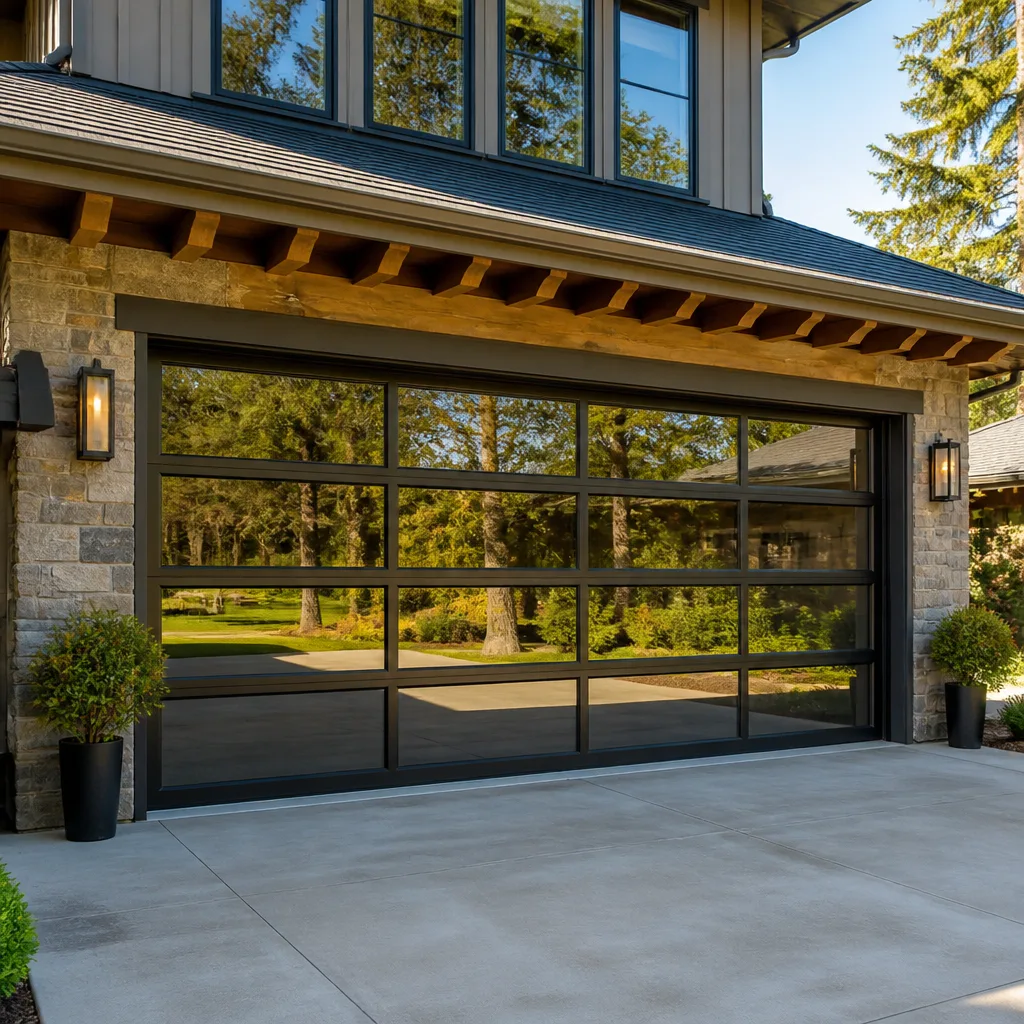 Full-view glass
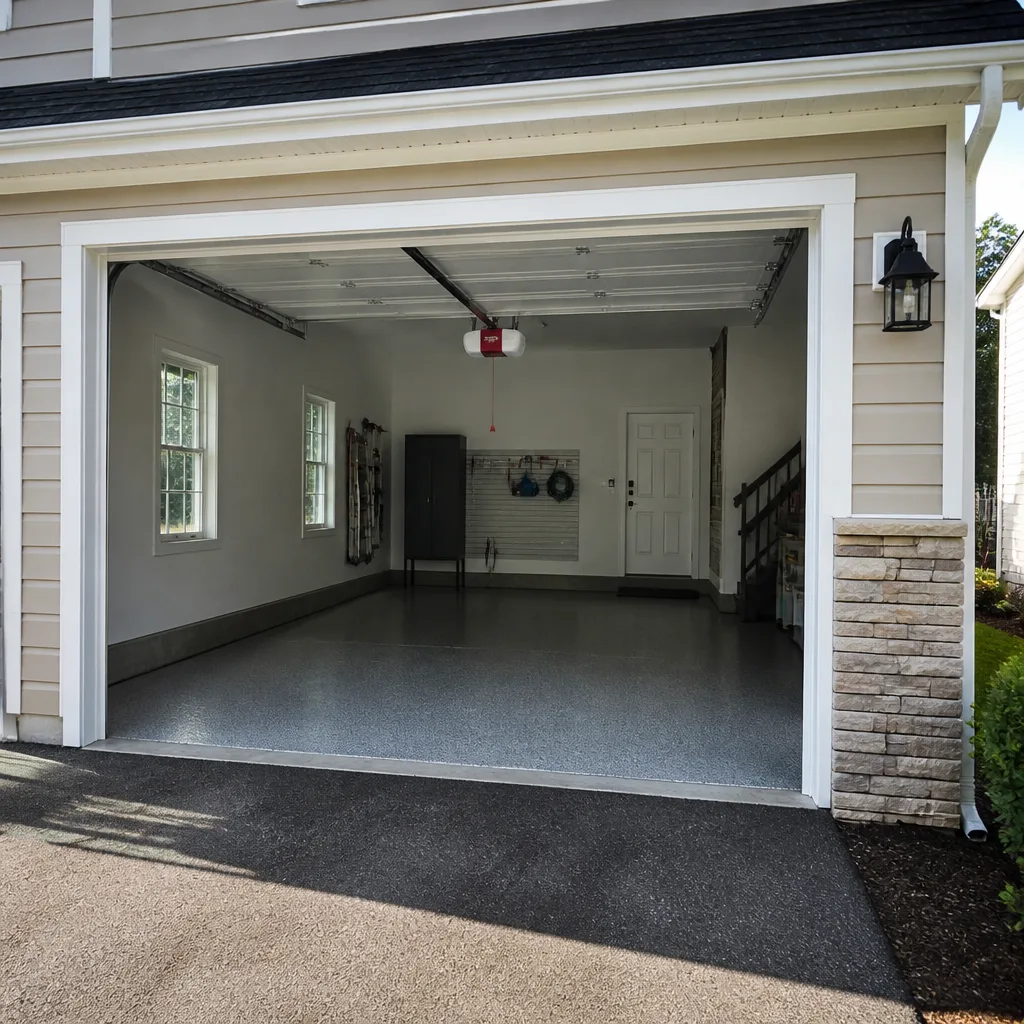 LiftMaster openers
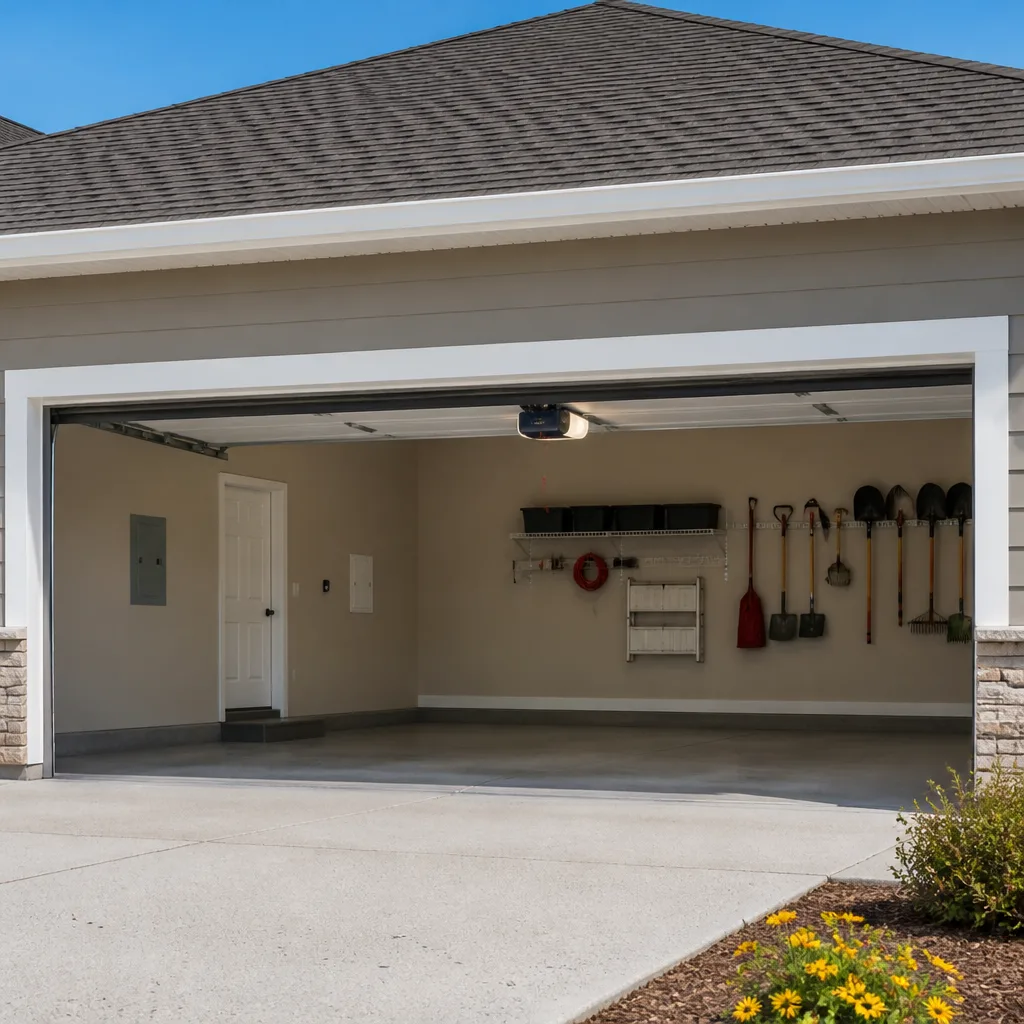 Chamberlain openers
Full 25-point door and opener safety check with every visit - springs, cables, rollers, tracks, and your LiftMaster or Chamberlain opener included
You get a price before we start. It does not change when the pro arrives.
Get your free estimateGarage Door Permits, Codes & Inspections in Bowie, MD: What You Need to Know
Replacing a garage door panel-for-panel almost never requires a permit in Prince George’s County. Installing a new opener circuit does. Most homeowners don’t know there’s a difference, and most contractors don’t volunteer it. That gap matters more in Bowie than people expect, because Bowie has more overlay rules than the county alone: HOA architectural standards, wind load requirements for new door installations, and disclosure obligations that come due when you sell. This guide walks you through exactly which garage door projects trigger a Prince George’s County building permit, which are exempt, what the inspector actually looks at, and how to prepare. If you’re in Bowie and weighing a repair, a replacement, or a new opener, this is the reference we’d hand you at the kitchen table.
Quick Answer
In Bowie and Prince George’s County, a garage door permit is typically required only for structural changes: a new door opening, widening or heightening an existing opening, replacing headers, or altering load-bearing framing. Like-for-like replacement of a door, panel, spring, track, or opener under an existing circuit is generally exempt. However, new electrical circuits for an opener require an electrical permit, and all new residential garage door installations must meet Maryland’s safety reversal and wind load requirements whether or not a permit was pulled.
Styles & brands we work with
- Raised-panel steel
- Carriage house
- Modern flush
- Full-view glass
- LiftMaster openers
- Chamberlain openers
Table of Contents
- What Triggers a Permit in Prince George’s County (and What Doesn’t)
- Maryland Wind Load and Safety Reversal Requirements
- When Does an Opener Need an Electrical Permit?
- How Unpermitted Work Affects Insurance and Home Sales
- What the Inspection Actually Checks: A Step-by-Step Guide
- Bowie HOA Standards vs. County Code: Where They Overlap
- Choosing Door Materials and Colors That Pass Both Reviews
- How to Prepare Before the Door Arrives
What Triggers a Permit in Prince George’s County (and What Doesn’t)
The county’s permitting logic for garage doors is narrower than most Bowie homeowners assume. Prince George’s County treats a garage door like other residential fixtures: exempt from a building permit when you’re swapping or repairing within the existing opening. That covers most of what we do – broken torsion springs, snapped cables, bent tracks, panel damage, a dying opener, a torn weather seal. None of those jobs touch the structure of the house.
Where it changes is anything that alters the opening itself or the framing around it. A new opening cut into a solid wall. A wider opening to fit a two-car door on a house that had a one-car. A taller opening for a higher door, which means reframing the header. Replacing a rotted header or side jamb because the original lumber failed. Those are structural changes and they cross into building permit territory.
The practical rule is simple. If the door goes into the same hole, in the same shape, attached to the same framing, you’re typically exempt. If you’re changing the hole or the framing, you’re typically not.
Projects that usually need a building permit
- Cutting a new garage door opening into an existing wall
- Widening or heightening an existing opening
- Replacing or modifying a structural header or load-bearing framing
- Converting a carport to an enclosed garage with a new door
- Adding a garage door to a detached structure in a way that changes its footprint or load path
Projects that are typically exempt
- Replacing a door in the existing opening with the same size
- Spring repair or replacement (both torsion and extension)
- Cable, roller, hinge, and track repair
- Panel replacement on a sectional door
- Replacing an opener plugged into an existing outlet
- Weather seal, bottom rubber, and threshold replacement
If you’re not sure which side of the line you’re on, call Prince George’s County’s Department of Permitting, Inspections and Enforcement (DPIE) before you schedule the work. Ask them the project description in plain language – “same size door, same opening” or “wider opening” – and they’ll tell you whether a permit is needed. In our experience, they’d rather answer that question before the work than inspect it after.
Maryland Wind Load and Safety Reversal Requirements
Every new residential garage door installed in Maryland, permit or no permit, has to meet two baseline requirements: safety reversal and wind load. Neither one is optional, and neither one shows up in casual conversations with most homeowners.
Safety reversal: the 2-inch rule
A garage door opener installed on a residential door must reverse within 2 inches of contacting an object on the floor. The door also has to reverse if the electric eye beam is broken. This is a Maryland requirement and it’s also a federal one under UL 325 – the door opener standard. It applies to new installations and to any opener you replace. If your current opener was installed decades ago before UL 325 was updated, it may not have the photo-eye system at all, and that’s a genuine safety hazard for kids and pets in the driveway.
Wind load for Bowie’s weather
Maryland’s building code applies design wind pressures tied to the site, not a single statewide number. What that means practically: your door needs to be rated for the wind pressure that applies to your address. In Bowie, the exposure matters because the region sees strong straight-line winds during summer thunderstorms and nor’easters in winter. A builder-grade door with a thin-gauge strut and no reinforcement is often fine, but a wide double door on an exposed lot may need a strut across the back and heavier hinges to meet the load.
When you order a new door, ask the supplier for the door’s design pressure rating and confirm it meets the wind requirement for your address. The door spec sheet will list it. If the installer won’t show you the rating, that’s worth pausing on before you sign.
Why this matters even without a permit
Both of these are legally binding on the installer and the homeowner, even on a job that didn’t trigger a permit. If a door reverses only after 4 inches, or a door panel blows out in a storm because it wasn’t rated for the load, that’s a code failure whether or not the county ever looked at it. On a house sale, an inspector can spot an old opener without photo-eyes or a door with no strut on a wide opening, and it becomes a negotiating item or worse.
We check both on every installation, and we tell Bowie homeowners upfront whether the door on the spec sheet actually meets the load. garage door repair visits are a good time to ask whether an older door and opener combination still meets current standards.
When Does an Opener Need an Electrical Permit?
Replacing a garage door opener that plugs into an existing ceiling outlet doesn’t require an electrical permit. Running a new circuit from your panel to a new outlet in the ceiling does. The first one is a swap; the second is electrical work adding capacity to your home’s service. That distinction is the one most homeowners miss.
What triggers the electrical permit
- Adding a new dedicated circuit to power the opener
- Installing a new outlet or junction box in the ceiling or wall where none exists
- Relocating an outlet so the opener cord can reach
- Adding a battery backup circuit or subpanel for a smart opener
What typically doesn’t
- Swapping a LiftMaster, Chamberlain, Genie, or Craftsman unit into the same outlet
- Changing out a wall-mounted control panel
- Adding a keypad or remote
- Adjusting travel limits and force settings
If you’re adding a LiftMaster or Chamberlain with MyQ integration and the existing opener was on a switched outlet (which many older homes in Bowie have), that’s usually just a wiring correction at the outlet, not a new circuit. We see that a lot in the older subdivisions where the garage was originally built with a single light fixture and a switched receptacle for a shop light. The fix is small; the electrical permit question only comes up when the outlet itself has to be created.
Electrical permits in Prince George’s County are handled through DPIE the same way building permits are, and a licensed electrician typically pulls them. If you’re working with an electrician for a new circuit, ask them to confirm the permit is in their name. If you’re not sure whether your job needs one, that’s a good question for the county before a contractor starts cutting into drywall. Electrical work is a hard stop for us: we don’t touch the panel or run new circuits, and you shouldn’t either – the risk of shock or fire from a bad circuit is real, and it’s the one part of a garage door installation a trained electrician should always do.
How Unpermitted Work Affects Insurance and Home Sales
Unpermitted work doesn’t usually fail an insurance claim on its own. What fails an insurance claim is a loss caused by the unpermitted work. If a fire starts in a handyman-installed circuit that should have been permitted and inspected, the carrier can deny or reduce the claim because the work wasn’t done to code. That’s the real exposure, and it’s the one that catches people by surprise.
Insurance implications
- Original builders’ policies rely on code compliance for structural coverage; a permit trail is evidence of it
- A homeowner’s policy often asks about unpermitted improvements during a remodel or add-on
- If a storm destroys a garage door that was installed without wind load compliance, the carrier can question whether the door met code
- Water intrusion from a poorly sealed new opening (no permit, no inspection) can become a mold claim the carrier will scrutinize
Home sale disclosure
Maryland requires sellers to disclose known defects and known unpermitted work in the residential property disclosure. If a seller installed a new garage door opening without a permit, that’s typically a disclosure item, and it surfaces either as a repair request during the buyer’s inspection or as a price negotiation at the end of the deal. In Bowie, where a large share of homes sell multiple times over decades, the permit record on a garage conversion or doorway change can follow the property through several owners. The good news: unpermitted work can usually be resolved retroactively, sometimes with a lighter review than new construction, but the process depends on what the work was and how long it’s been there.
The clean version is the one worth doing. When a structural garage door change is going in, the permit inspection is fast, and the paper trail is worth having.
What the Inspection Actually Checks: A Step-by-Step Guide
If your project does require a permit, the inspection is usually the least dramatic part of the job. A Prince George’s County inspector isn’t looking for style points. They’re confirming the door was installed to spec, the structure matches the approved plan, and the safety features work. Here’s how it typically goes.
- Review the approved plan. The inspector checks the door size, location, and framing against the permitted drawing. If you changed the plan in the field without an approved revision, this is where it gets caught.
- Check the header and framing. For a new or widened opening, the inspector verifies the header is the correct size and material and that the load path is intact. A casual substitution of a smaller header fails here.
- Test the safety reversal. The door is run closed against a test object and against the photo-eye beam. It must reverse on both. On a new door this is the most common failure point in our experience, and it’s almost always a force-setting adjustment.
- Confirm the door’s rating. For new installations, the door must meet the wind load requirement. The inspector may ask for the door’s spec sheet or look for the manufacturer’s rating label inside the door panel.
- Check the attachment and fasteners. Track brackets, hinges, and the door-to-spring connection must be correctly screwed or bolted, not nailed or tacked.
- Confirm electrical work. For a new opener circuit, the electrical inspection happens separately and verifies the wiring, box mounting, GFCI protection where required, and grounding.
- Sign off or issue a correction list. Minor corrections usually get a return inspection; major ones get a rejection with a specific fix request.
Preparation is simple. Make sure the garage is clear enough for the inspector to walk around both sides of the door, the door opener is powered, and you or your installer are there with the spec sheet for the door and the opener’s manual. Tell the inspector plainly what was installed and what it replaced. It’s fast, and honest reporting is what keeps the process short.
Bowie HOA Standards vs. County Code: Where They Overlap
Bowie has a heavier HOA presence than most of Prince George’s County, and that’s where most of the real friction lands in a door replacement. The county doesn’t care what color your door is. Your HOA cares a great deal, and its rules almost always run stricter than the county’s, not looser.
Where HOA rules exceed county code
- Color and finish. The county doesn’t regulate it. Many Bowie subdivisions have an approved palette for exterior door and trim colors, and a fresh door in the wrong shade can be the subject of an architectural review request.
- Material and design. Steel with a raised panel profile is often the only approved style in these communities; full-view aluminum with glass is sometimes off the table entirely. A Clopay or Amarr steel model is usually fine, but the specific raised panel pattern may need to match what the neighborhood was built with.
- Windows and glass panels. Whether windows are allowed at all, and if so in what configuration, is often spelled out in HOA architectural standards.
- Visible hardware. Some communities restrict strap-hinge or barn-door styling because it doesn’t fit the architecture.
The overlap
Both the county and your HOA care about the structural work for different reasons. The county inspects the structure and safety. The HOA checks the finished look. Both can require advance approval: the county for the permit, the HOA for architectural review. Sometimes those approvals run in parallel. Sometimes the HOA needs to see a permit before it approves a design change, and the county needs the HOA sign-off before issuing. In our experience, Bowie homeowners who call the HOA first and the county second have the shortest total timeline.
We handle a door replacement for a homeowner in Bowie often enough to know the trap: the door arrives in the wrong approved color, and now the whole job has to be redone. Confirming HOA approval before ordering is a step worth taking every time.
Choosing Door Materials and Colors That Pass Both Reviews
The door that passes both reviews without a scramble is the one that matches two separate checklists before you buy it. Your county list is short: is it rated for the wind load at your address, and does it meet the safety reversal requirements? Your HOA list is longer: color, panel profile, material, window options, sometimes even visible hardware. Choosing a door that clears both from the start saves a return order.
Materials in ascending order of HOA friction
- Insulated steel (raised panel). The default for most Bowie subdivisions; almost always approved when the color matches the palette.
- Steel with factory woodgrain or carriage-house styling. Popular, but the panel profile needs to be approved first.
- Aluminum with glass panels. Less common in older Bowie neighborhoods; often restricted. Worth confirming first.
- Wood or wood-look composite. Requires the most HOA review; finish maintenance falls on you.
Colors to check against your HOA palette
The county doesn’t have a color rule. Your HOA almost certainly does. White, almond, sandstone, and brown are common allowed colors; deeper blues, reds, and custom matches usually need a written approval. Ask your HOA for the current approved palette in writing and take it to the door supplier. A door in the right color is a door that goes in on schedule.
Openers don’t need HOA review
An opener is invisible from the street, so the HOA has no interest. A LiftMaster or Chamberlain plugged into an existing outlet needs no county permit either. What it does need is a safety reversal check and a new photo-eye system if the old one is gone. When we swap an opener, we test both. garage door opener repair is a good place to start if the door moves but the opener itself is failing.
How to Prepare Before the Door Arrives
The hardest part of a garage door project isn’t the door – it’s the paperwork that has to clear before the door arrives. Here’s a practical order of operations.
- Call your HOA architectural review first. Submit the door design and color. Ask how long approval usually takes. Most Bowie HOAs have a specific form and a set meeting schedule, and the timeline is out of your control.
- Call Prince George’s County DPIE (or check online) to confirm permit status. Give them the plain-language description of the work. If it’s exempt, get that answer noted. If it needs a permit, ask what drawings the county requires.
- Order the door. Once you know the color and profile clear HOA, and the size and load rating clear the county, order it. Door lead times vary, so the paperwork should be ahead of the door, not behind it.
- Schedule the electrical work separately if a new outlet is going in. A licensed electrician should pull the electrical permit in their name. The inspection happens on the electrical side of the job.
- Book the installation. Have the manufacturer’s spec sheet on hand for the door and the opener. Both are useful for the inspection.
- Test the safety reversal the day of the install. A test object under the door and a broken photo-eye beam are quick checks. If the door doesn’t reverse on both, that’s a call-back before the inspector arrives.
- File the permit and inspection paperwork with your home records. If you ever sell, the paper trail is worth having.
When the door itself is failing, the timeline compresses. garage door spring repair is typically done without a permit and without HOA review, because it doesn’t touch anything visible or structural. If the door is stuck and you’re figuring out what to do next, that’s a job to call about before you start plotting a replacement.
Common Mistakes to Avoid
- Assuming “new door” means “permit.” Like-for-like replacement in the same opening usually doesn’t need one. Assuming it does can cost you weeks of a permit review you never needed; assuming a size change doesn’t can cost you a rejected inspection later.
- Skipping the HOA on a full-replacement door. The county has no opinion on color. Your HOA does, and a door installed in the wrong shade means reordering the door.
- Missing the wind load rating on a wide door. A double-car door on an exposed Bowie lot needs the correct design pressure. Asking for the spec sheet before you sign is the right move, and refusing to install without it is the right move by the installer.
- Leaving an older opener without a photo-eye system. Safety reversal applies to any installation being replaced, even one that isn’t triggering a permit. An opener installed without a reversing photo-eye fails current standards and gets flagged at inspection, at resale, or after an incident.
- Pulling an electrical permit after the work is done. The county expects the inspection at the appropriate stage, not after a circuit is energized. Retroactive permits get processed, but the sequence matters.
- Replacing a spring thinking a permit is required. It isn’t, and postponing spring repair while you sort out paperwork is a mistake – a failing spring on a heavy door creates real risk to anyone nearby. That work needs a trained technician for the spring and cable side of the job; we don’t walk homeowners through that repair.
- Forgetting the disclosure on a future sale. Maryland’s disclosure requirements follow the paper trail. If the door is going into a new or widened opening, keep the permit and inspection paperwork with your home records.
See the difference
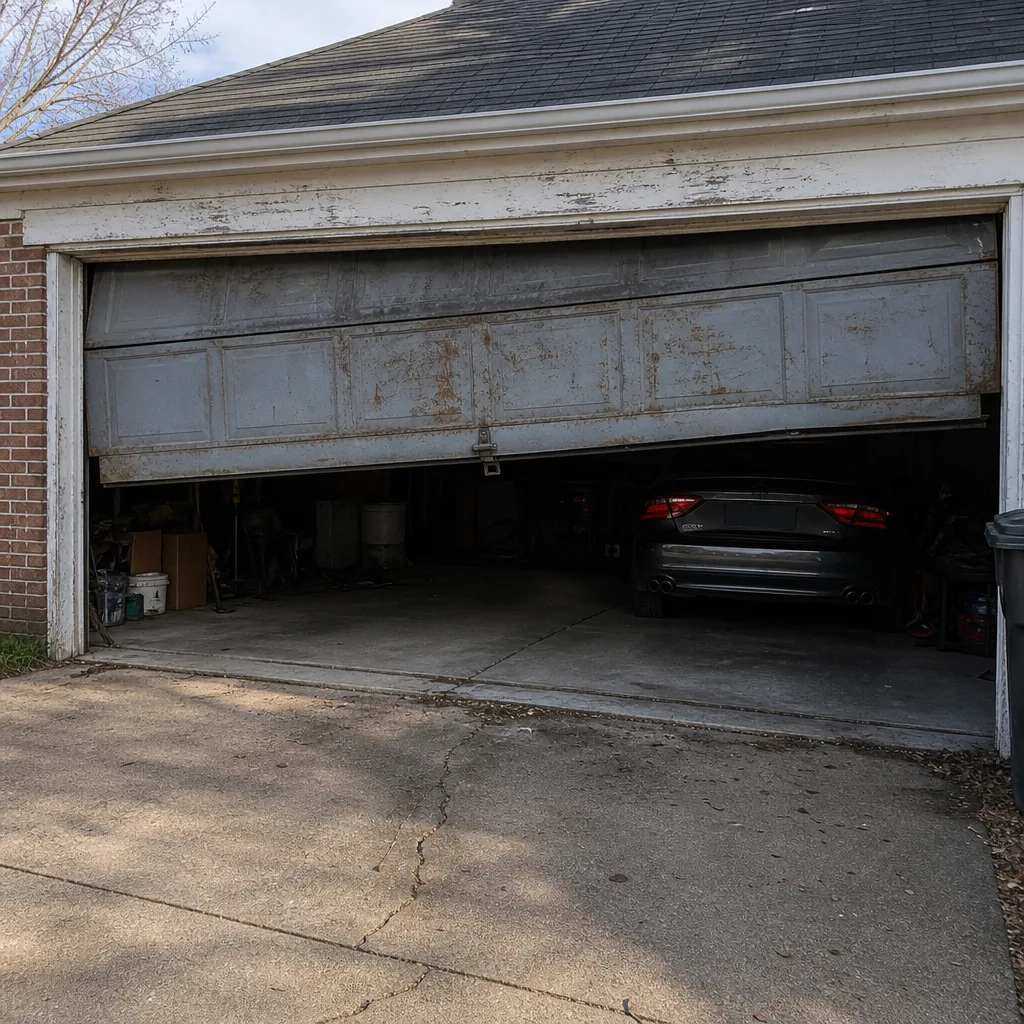 Before
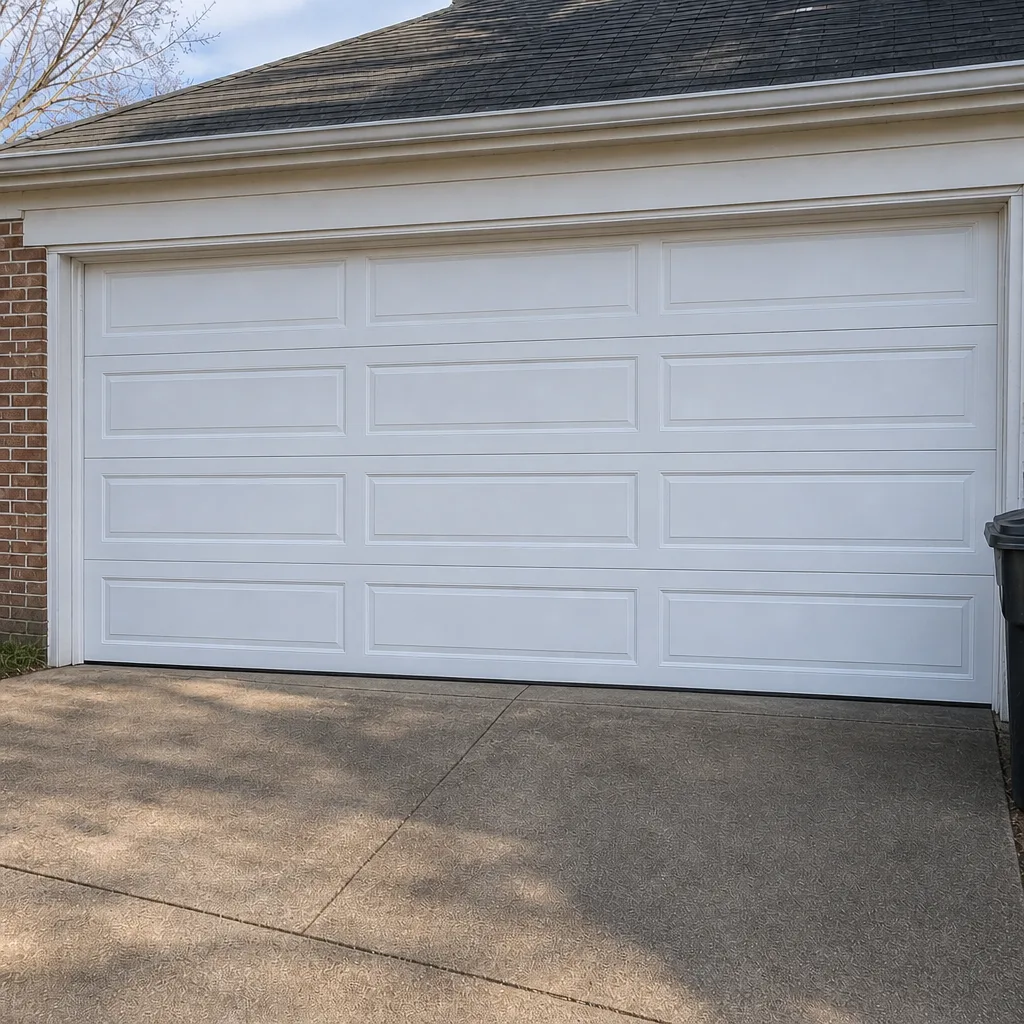 After
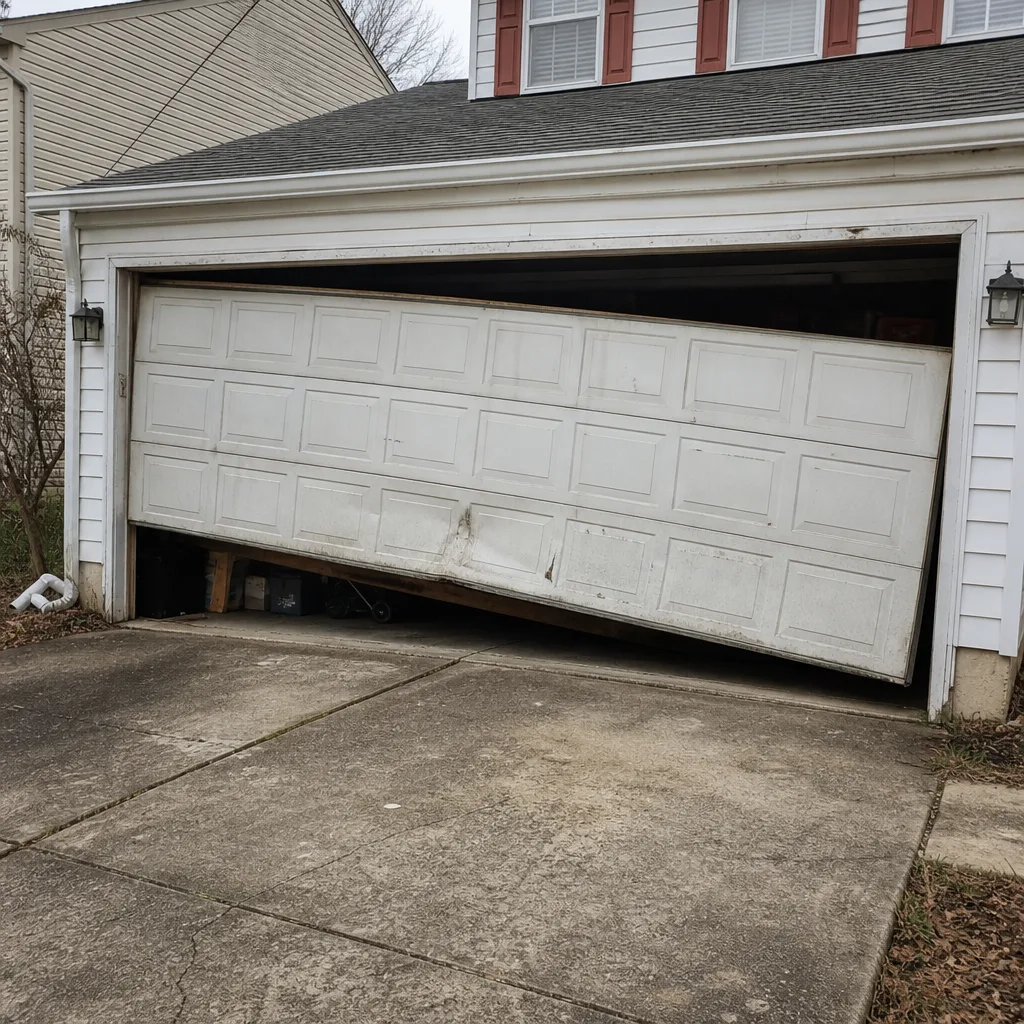 Before
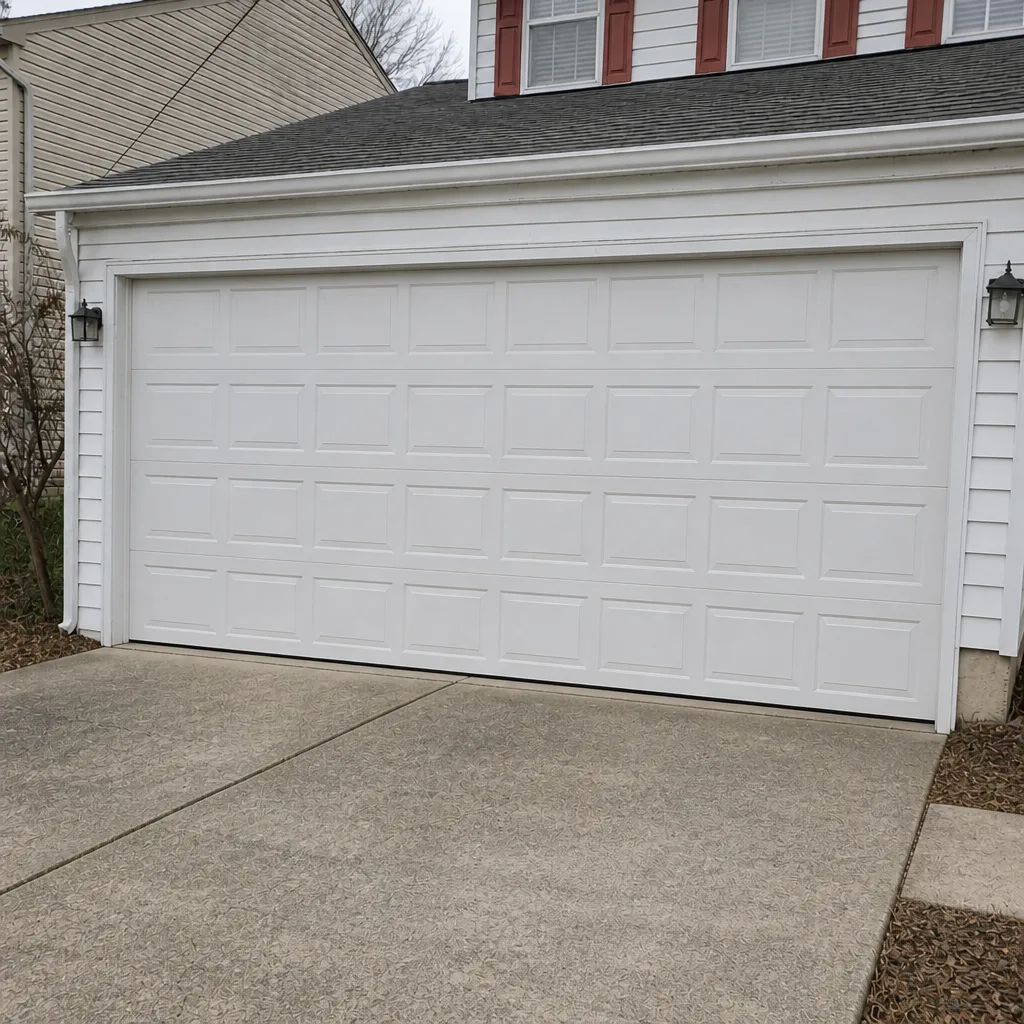 After
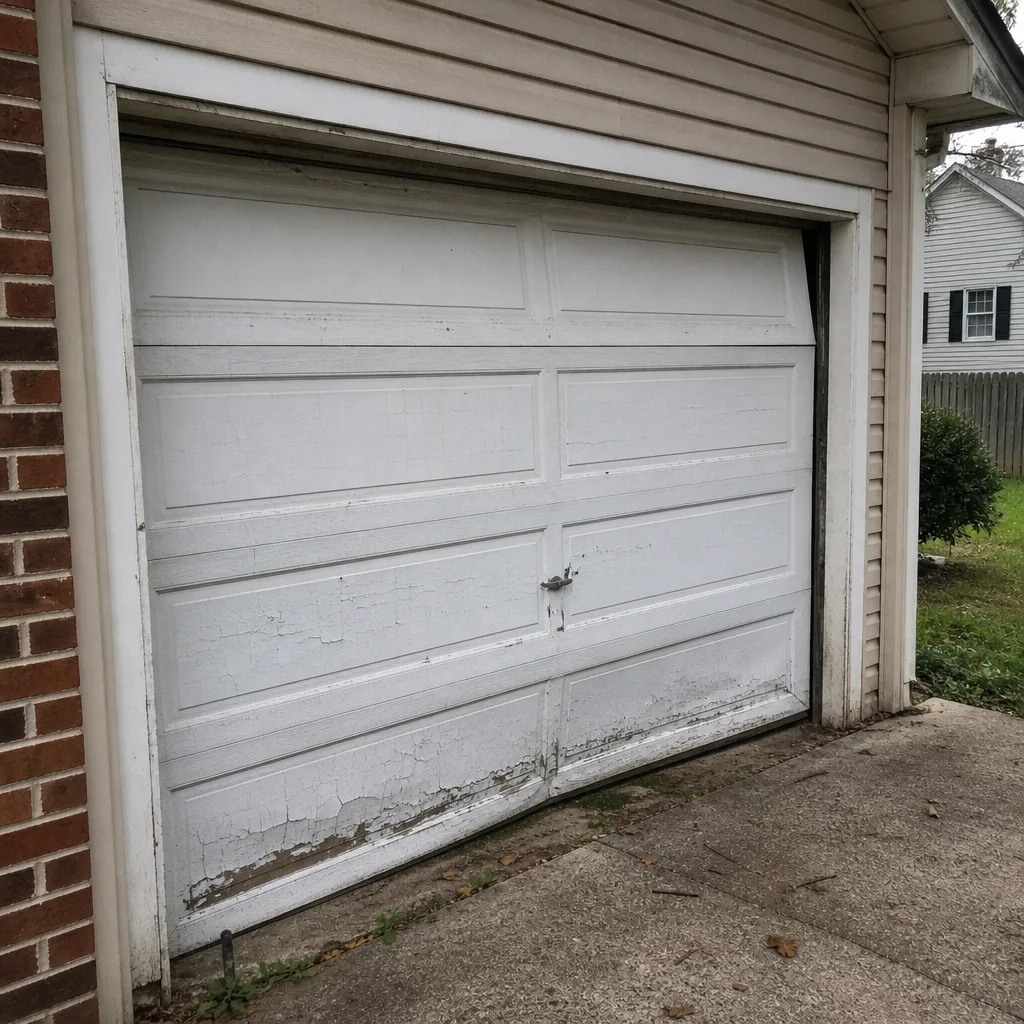 Before
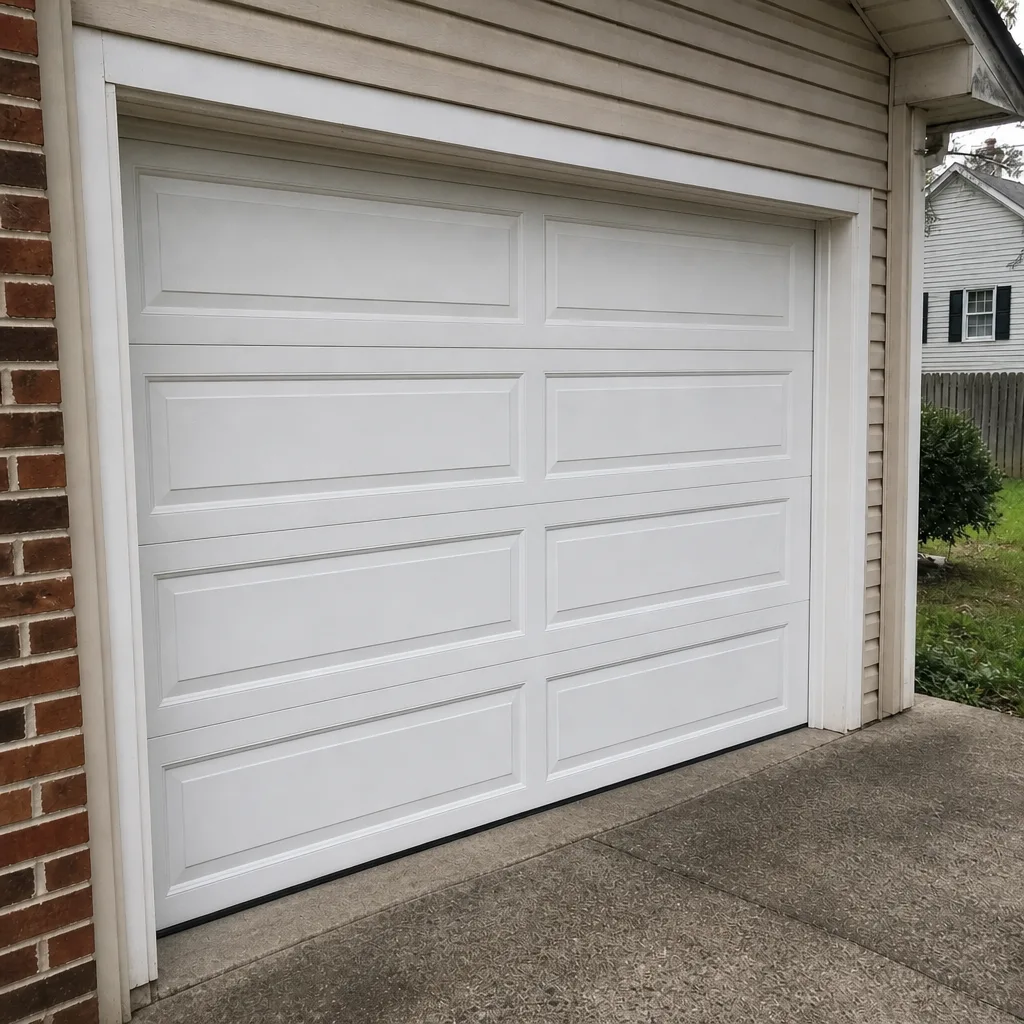 After
When to Call a Professional
Some garage door work is a phone call and some is a hard stop. Torsion and extension springs, cables, and the door’s balance are the hands-off zone – those store enough energy to seriously hurt someone, and the tools are specialized. Structural framing, new openings, and any electrical circuit work belong to a licensed contractor in their trade. Anything the two of us are unsure about, the county wants to hear the plan before we start it. If the spring has broken, the door is stuck, or the opener has lost its reversing function, that’s a call, not a project. We handle repairs and full installations across the brands we know best – LiftMaster, Chamberlain, Genie, Clopay, and others – so one call covers the diagnosis, the brand, and the paperwork question. Bowie Garage Door Repair Pros offers free estimates in Bowie – call (833) 754-7945. Our technicians have up to 9 years of experience, including torsion and extension spring work that most general handymen won’t touch.
Frequently Asked Questions
In most cases, no. A like-for-like replacement of a garage door in the same opening in Prince George’s County is typically exempt from a building permit, which covers the majority of Bowie replacements. You do need a permit when the work changes the opening itself: a new doorway, a wider or taller opening, or structural framing changes around the door.
Usually not, if the new opener plugs into an existing ceiling outlet. A permit is typically needed when you’re adding a new dedicated circuit, installing a new outlet, or relocating wiring to reach the opener. That’s electrical permit territory, and a licensed electrician typically pulls it and owns the inspection. For a simple plug-in swap, the job is a replacement, not an electrical project.
The inspector verifies the approved plan, checks the header and framing on any new or widened opening, tests the safety reversal against both a floor object and a broken photo-eye beam, confirms the door meets its wind load rating, checks that the track and hinge attachment used proper fasteners, and signs off or issues a specific correction list. For a separate electrical circuit, the electrical inspection happens on its own visit.
Unpermitted work itself doesn’t usually void a policy, but a loss caused by the unpermitted work can. Fire from a handyman-installed circuit, or a storm loss on a door installed without a wind load rating, can give a carrier grounds to deny or reduce the claim. The clearest way to protect yourself is to have the work permitted where it’s required, and to keep the inspection paperwork.
It depends on your address, not on a single county number. Maryland applies site-specific design wind pressures, and the door’s spec sheet lists its design pressure rating. Ask your supplier for that rating and confirm it meets the requirement for your address before installation. A wider, exposed double door often needs a rear strut and heavier hardware to meet the load.
Yes. HOA architectural standards are separate from the county permit process and typically apply to any visible change to the door’s color, panel pattern, material, or windows. Even a like-for-like county-exempt replacement can require HOA architectural review if the door looks different from the street. Confirm the palette and profile with your HOA before ordering.
The Bottom Line
Prince George’s County’s garage door permitting is narrower than most Bowie homeowners fear: springs, panels, tracks, openers on existing outlets, and like-for-like replacement doors are typically exempt. The real exposure sits in three places – structural changes to the opening, new electrical circuits for an opener, and the HOA overlay that governs how the door actually looks from the street. Every new door has to meet Maryland’s wind load and safety reversal requirements whether or not a permit was pulled, and unpermitted work can follow you into an insurance claim or a home sale disclosure. Get the HOA approval and the county answer before you order the door. Keep the paperwork. And when the spring, cable, or framing side of the job is on the table, call us for a free measure and a written price before the work begins, and the price on that written estimate is the price you pay. If the door is stuck or the spring has broken, call us at (833) 754-7945 for same-day service or emergency response.
For every garage door question in Bowie – repair, replacement, opener repair, spring work, or a new door that needs to pass both reviews – start with Bowie Garage Door Repair Pros for a free estimate and an upfront price before any work starts. Eight brands, one call.
Written by the team at Bowie Garage Door Repair Pros.