Last updated November 21, 2026
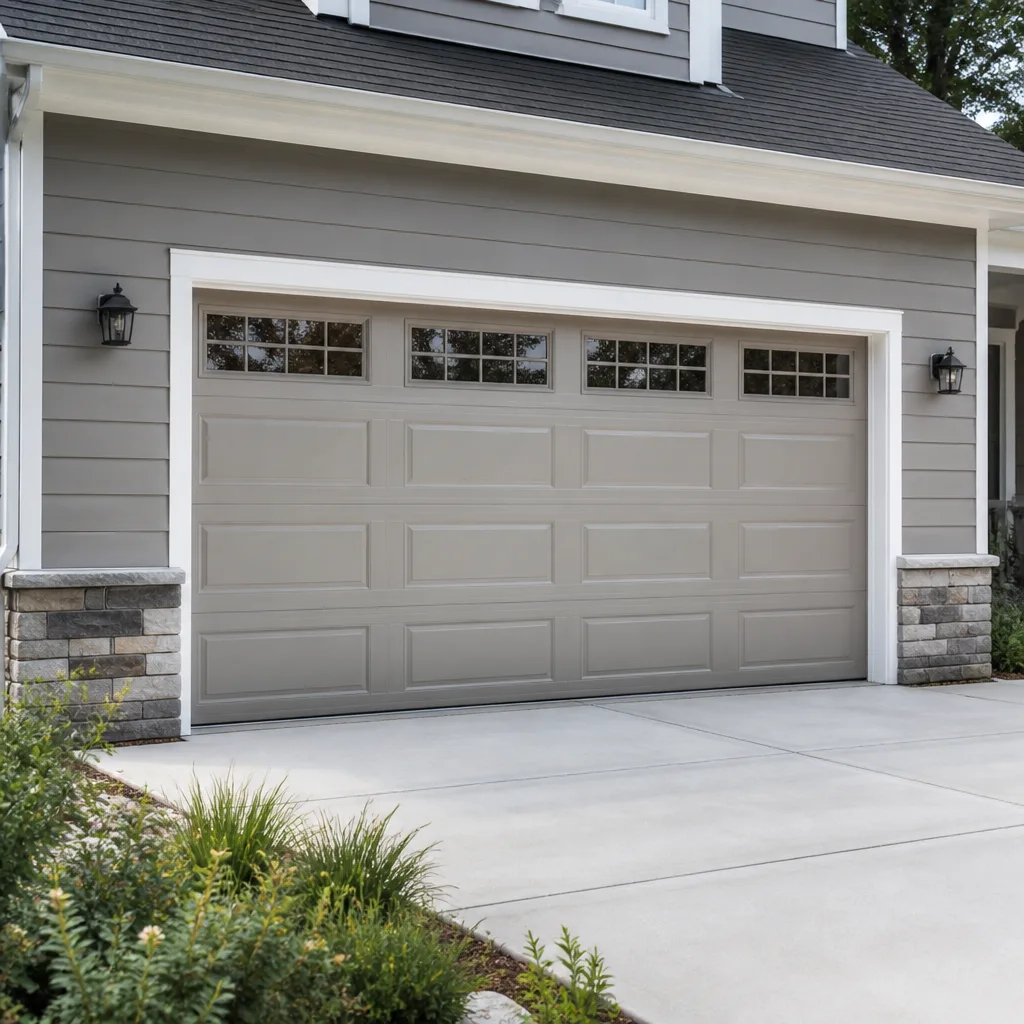 Raised-panel steel
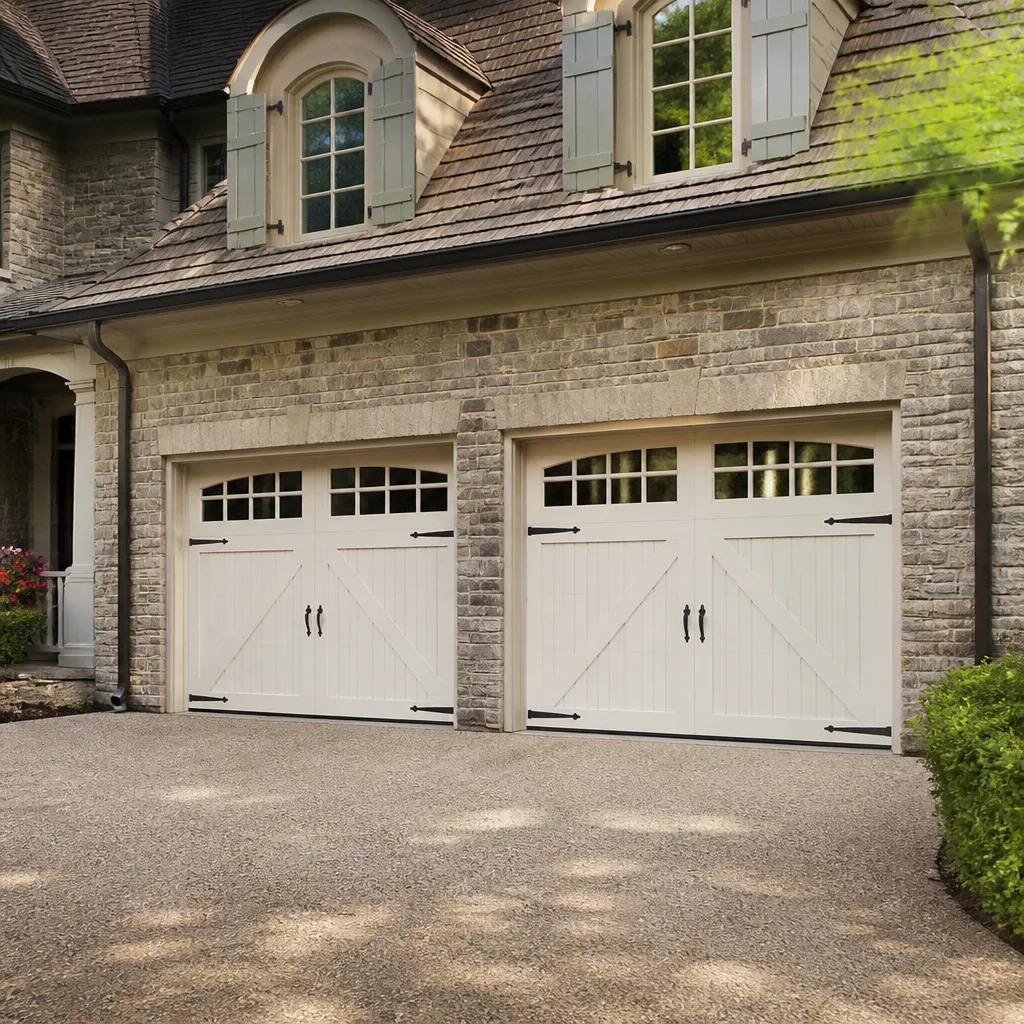 Carriage house
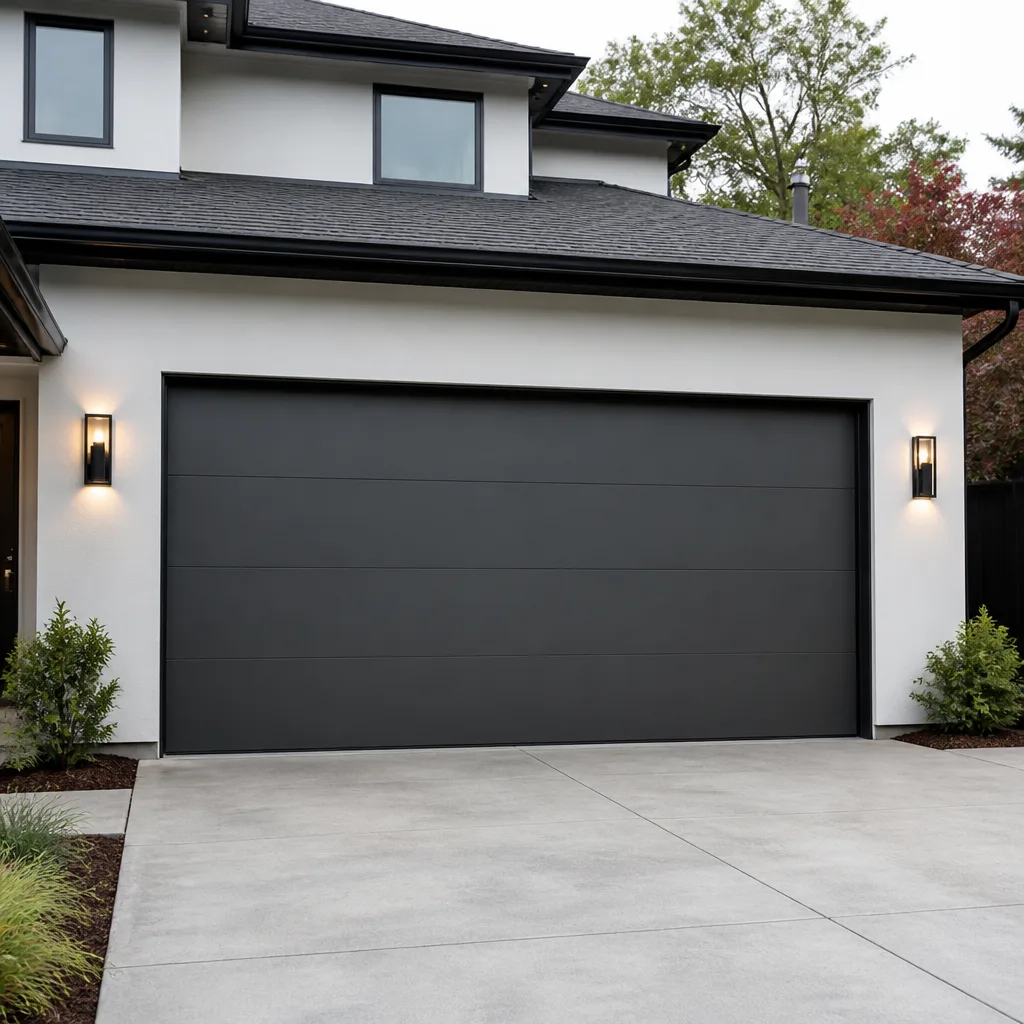 Modern flush
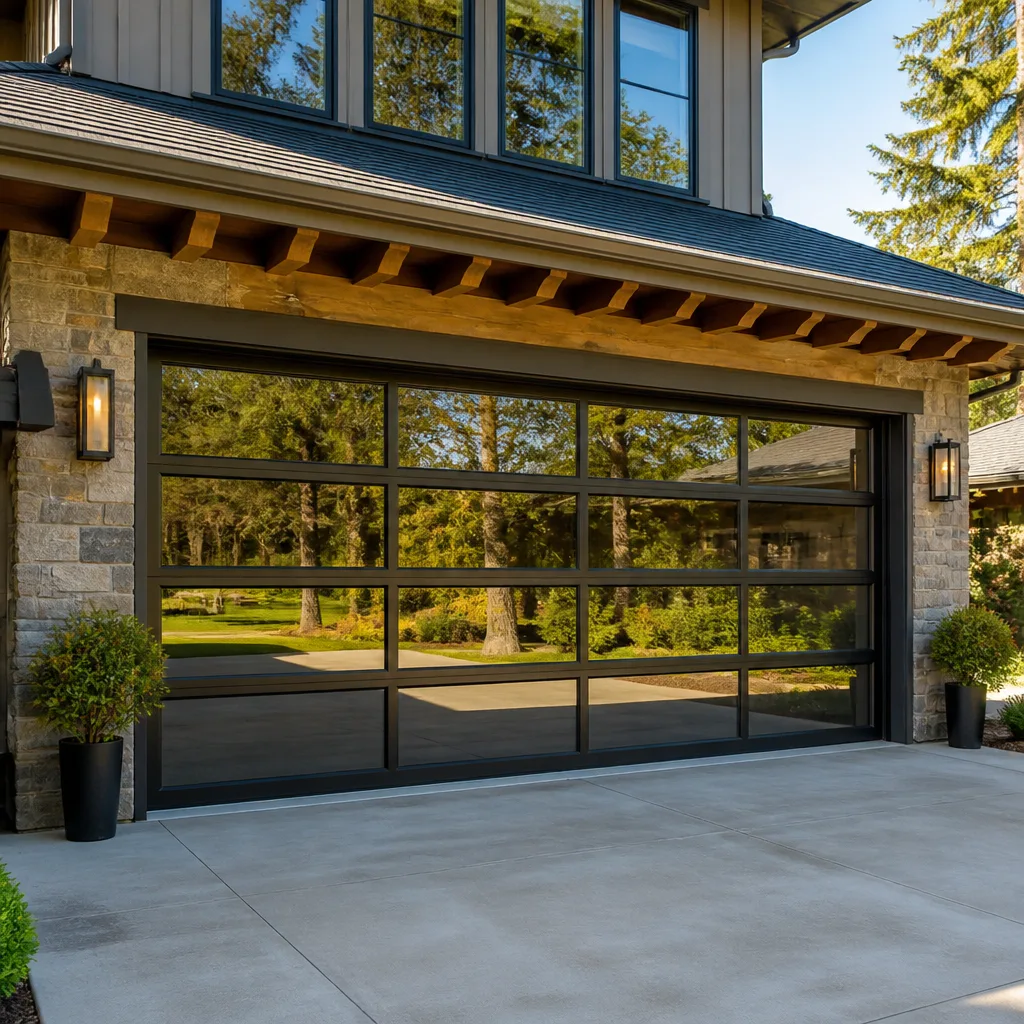 Full-view glass
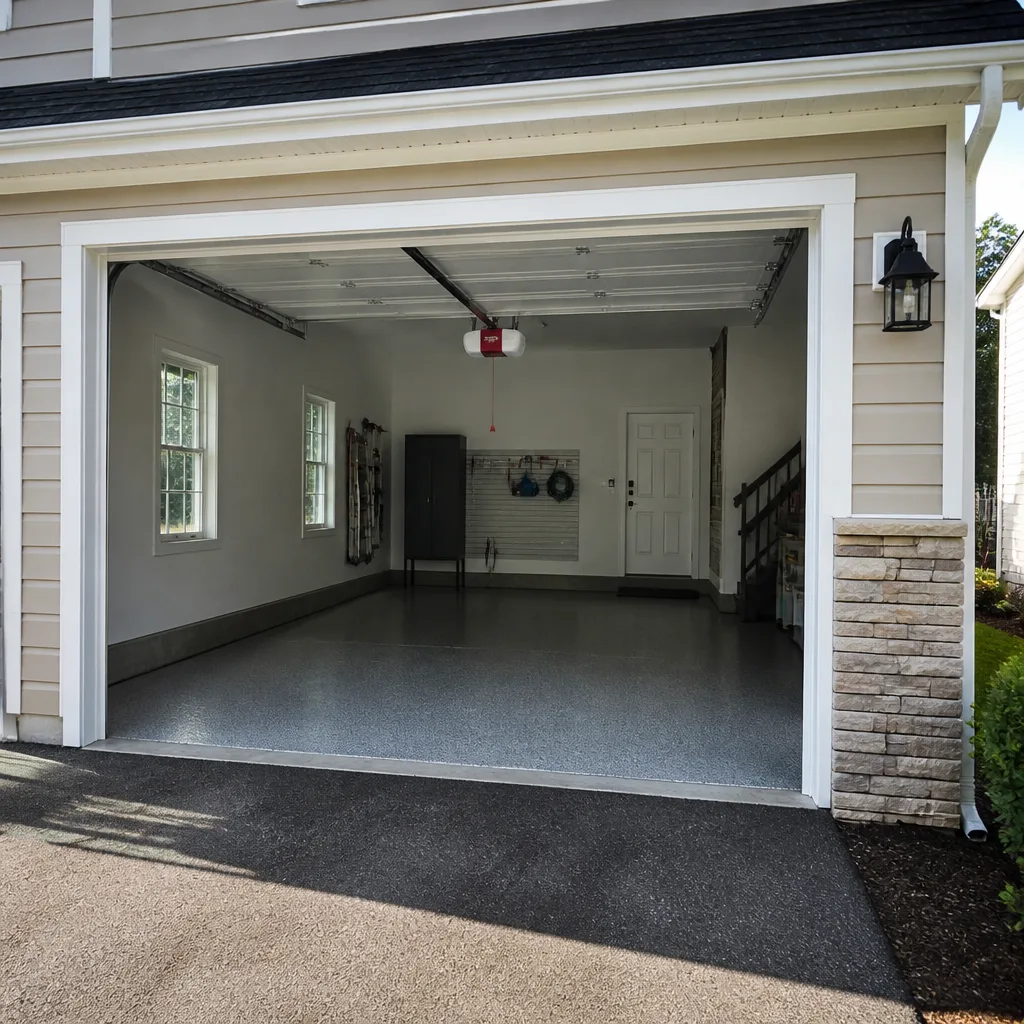 LiftMaster openers
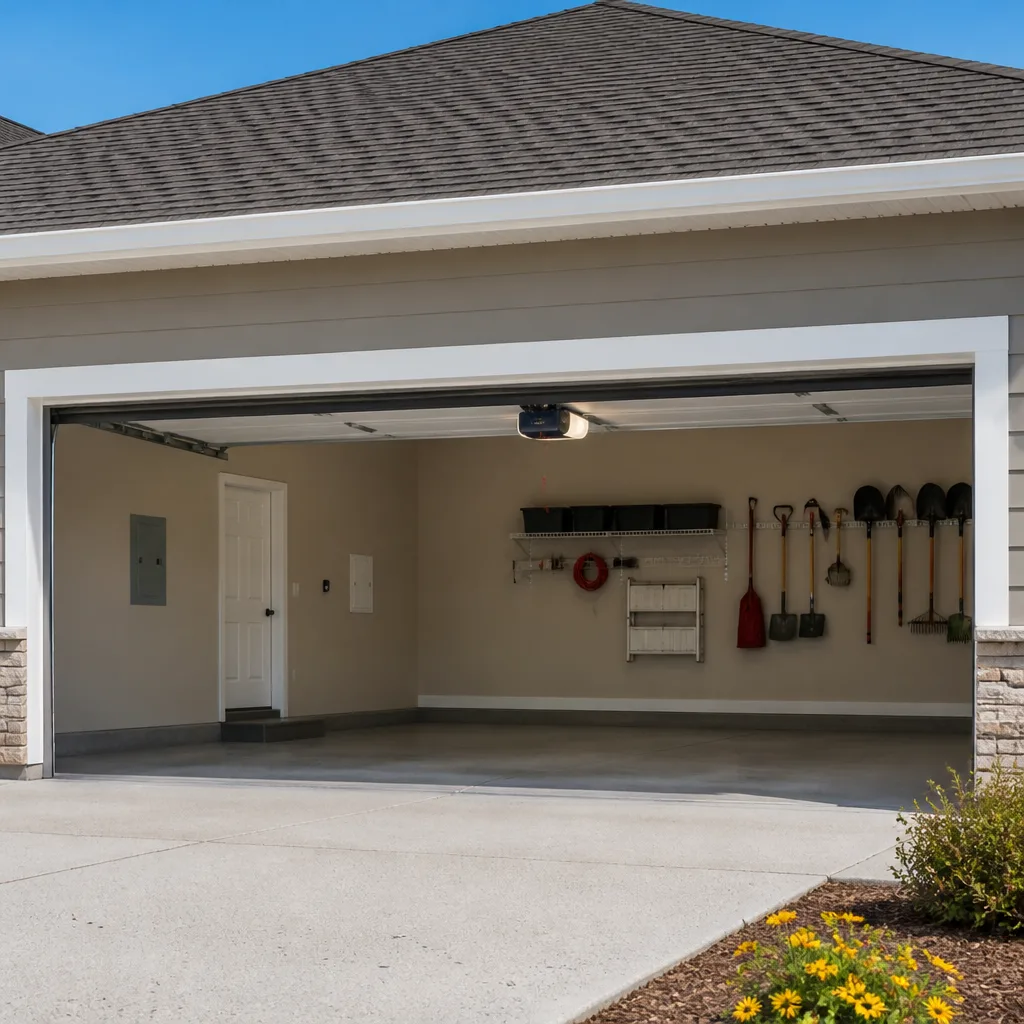 Chamberlain openers
Full 25-point door and opener safety check with every visit - springs, cables, rollers, tracks, and your LiftMaster or Chamberlain opener included
You get a price before we start. It does not change when the pro arrives.
Get your free estimateGarage Door Repair Maintenance Checklist for Bowie Homeowners
Lubricating torsion springs shows up on almost every online garage door maintenance list. It’s also one of the fastest ways to make a spring fail without warning, because the right lubricant and the wrong one look identical in a spray can, and a homeowner working overhead near a wound spring is in the highest-risk spot in the whole system. Most checklists ignore that line entirely. They hand you a generic ten-point list and never tell you which tasks you can safely do and which ones quietly create a liability. What you’ll find below is a checklist split in two: what’s yours to handle, and what needs a technician, with the reason spelled out for each. We’ll also cover product choices that fit Bowie’s humid summers and freeze-thaw winters, how to run a balance test correctly, and how to inspect by usage rather than by calendar.
Quick Answer
A safe garage door maintenance checklist for Bowie homes has two halves: homeowner tasks like visual inspection, balance testing, lubricating rollers, hinges and the opener rail, and clearing the tracks, and technician tasks like spring adjustment or replacement, cable work, torsion hardware, and opener force or travel calibration. Inspect based on how often the door runs, not just the month, and photograph anything unusual before you call so a diagnosis takes minutes instead of a full visit.
Styles & brands we work with
- Raised-panel steel
- Carriage house
- Modern flush
- Full-view glass
- LiftMaster openers
- Chamberlain openers
Table of Contents
- Homeowner Tasks vs. Technician Tasks: The Hard Line
- Lubrication That Fits Bowie’s Climate
- How to Run the Door Balance Test Correctly
- Inspection Intervals Based on Daily Usage
- What to Document and Photograph Before You Call
- A Seasonal Calendar for Bowie Weather
- Opener Checks You Can Do at the Wall Button
- When Maintenance Stops Being Maintenance
Homeowner Tasks vs. Technician Tasks: The Hard Line
The single most useful distinction in garage door care is between tasks that touch the door and tasks that touch stored energy. Anything involving the springs, cables, or torsion shaft falls firmly into the second group, and that line is not negotiable for safety reasons. Springs and cables hold the full weight of the door under tension, and a mistake there can release that energy suddenly and with serious force. Everything below the line is yours.
Tasks you can safely complete
- Walking the perimeter of the door and looking for bent panels, loose hinges, or worn rollers
- Running the balance test described below
- Lubricating rollers, hinges, the opener rail, and the door’s metal pivot points with a silicone-based spray
- Clearing debris, leaves, and grit from the tracks with a rag or soft brush
- Checking that the photoelectric safety sensors on each side of the opening line up and that the indicator lights are solid
- Testing the manual release to confirm the door disconnects and reconnects smoothly
- Wiping down the weather seal at the bottom and looking for cracks or gaps
Tasks that require a technician
- Adjusting, removing, or replacing torsion or extension springs
- Any work on the lift cables, drums, or center bearing plate
- Correcting a door that has come off the track or has a bent track section near a hinge
- Calibrating opener force, travel limits, or reversing sensitivity when the door won’t close evenly
- Straightening a twisted or sagging door section, which usually means the springs are out of balance
If your balance test fails or you hear a loud pop from overhead, stop running the door and schedule garage door spring repair rather than trying to compensate with the opener.
Lubrication That Fits Bowie’s Climate
The right lubricant for a garage door in Bowie is a silicone-based spray for rollers, hinges, and pivot points, and a light lithium grease only on the opener rail and screw-drive threads. What you should never apply to any moving part is a heavy petroleum or WD-40-style solvent, because it attracts dust, dries out the nylon bushings, and leaves the spring looking lubricated while actually accelerating wear.
Bowie’s weather matters here. Summers run humid enough that a grease that stays tacky will collect grit and hold it against metal, and winter freeze-thaw cycles cause thicker greases to stiffen so the door works harder on the first cycle of the morning. Silicone stays fluid at both temperature extremes, doesn’t hold grit, and is safe on nylon rollers that most modern doors use.
Where each product belongs
- Silicone spray: steel and nylon rollers, hinge pins, track pivot points at the top and bottom fixtures, the roller stems
- Lithium grease: the opener rail (chain or screw) and the opener’s drive gear area, applied sparingly with a rag
- Nothing at all: the torsion spring coils, the lift cables, and the inside of the vertical tracks
That last one surprises people. Lubricating a torsion spring creates a thin film that lets the coils slide against each other during winding, which changes the tension distribution and can lead a fatigued spring to break cleanly instead of sagging slowly enough for you to notice. The problem is that the spray can of silicone and the spray can of penetrating oil look identical, and a neighbor or a well-meaning list online won’t tell you which one is in your hand. Stick with silicone everywhere on the door itself and leave the springs alone.
How to Run the Door Balance Test Correctly
The balance test tells you whether the springs are still carrying the door’s weight evenly. A door that’s out of balance is putting extra load on the opener, the cables, and the hinges, and it’s the earliest reliable signal that a spring repair is coming. Run the test about once a month, or any time the door sounds or feels different.
- Close the door fully with the opener, then pull the manual release cord so the door is disconnected from the opener.
- Lift the door by hand to roughly waist height, about halfway open.
- Let go and watch. A properly balanced door stays where you put it, or drifts only an inch or two.
- Lower it to about knee height and repeat.
- Reconnect the opener by pulling the release cord and running the door once to re-engage the trolley.
What an off-balance result actually means mechanically depends on direction. If the door falls or drifts down, the springs have lost tension and can no longer hold the weight, which usually means a fatigued or broken spring. If the door rises on its own, the springs are over-tensioned, which most often follows a repair done without matching spring sizes to the door’s weight. Either result is a technician job, because correcting it means adjusting or replacing wound springs. A door that stays put is carrying its own weight correctly and just needs the routine tasks done.
One safety note: never run the balance test with the door above head height, and never reach into the tracks or under a partially open door to steady it. If you feel resistance lifting it by hand, stop and call instead.
Inspection Intervals Based on Daily Usage
Calendar-based checklists miss how a door actually wears. A door cycling six or seven times a day sees more than 2,000 cycles a year, and a door cycling twice a day sees fewer than 800. Most consumer garage door springs are rated for a cycle count, not a number of years, so the heavier-use door will reach that count years earlier. A checklist built only on months will let the busy household ignore its door until something breaks.
Usage tiers
- Light use (1-2 cycles a day): full visual inspection and balance test once a quarter, lubrication every six months, professional service every two to three years
- Moderate use (3-4 cycles a day): visual inspection monthly, balance test every two months, lubrication every four months, professional service every 18 to 24 months
- Heavy use (5 or more cycles a day): visual inspection and balance test monthly, lubrication every two to three months, professional service annually
Households in Bowie where the door is the main exit for a work-from-home setup, a delivery-heavy routine, or a household with two cars coming and going often fall into the heavy tier without realizing it. A count as simple as how many times the door goes up and down on a typical weekday will tell you. Add a cycle for every car moved out and back in, and count it twice if the door opens and closes for the same car.
Cycle counts are also the reason we recommend photographing the spring when it looks new. A technician can read a spring’s color coding and coil count to match a replacement, and a decent photo taken before any wear sets in removes guesswork later.
What to Document and Photograph Before You Call
The fastest repair call starts with a photo. When you send a technician a set of clear pictures and a short written description, the call becomes a diagnosis conversation instead of a walk-through, and the estimate can often be prepared before anyone arrives. That’s a real difference on a door that’s stuck open in the middle of a Bowie summer afternoon, when getting the right spring or panel on the first trip matters.
Photos worth taking
- A wide shot of the inside of the door showing the full track, springs, and opener rail from one corner of the garage
- A close-up of the spring and winding cone, or of the extension springs above the tracks
- A close-up of the opener’s model and serial sticker on the motor housing
- A close-up of the safety sensor on each side of the opening
- Any bent panel, cracked hinge, or frayed cable, framed loosely so the technician can see the surrounding metal
Notes worth writing down
- The brand and model of the opener if it’s legible (LiftMaster and Chamberlain stickers are usually on the back of the motor housing)
- Whether the door runs slowly, reverses without touching anything, or stops partway
- Any noise on opening compared to closing, and whether it comes from overhead or from the tracks
- The approximate height and width of the door, and whether it’s a single or double
With that set in hand, garage door opener repair is far easier to scope by phone. We handle LiftMaster, Chamberlain, Craftsman, Raynor, Genie, Clopay, Amarr, and Wayne Dalton equipment, so the brand on your sticker is one we know, and technicians have up to 9 years of experience reading exactly this kind of information.
A Seasonal Calendar for Bowie Weather
Bowie sits in a mid-Atlantic climate with humid summers, wet springs, and winter mornings that dip below freezing. That combination leans hard on three parts of your door: the bottom weather seal, the metal tracks, and the springs. Building the checklist around those seasons rather than a flat monthly list gets more done with less work.
Spring
Rain and pollen are the two spring facts that matter. Pollen coats the tracks and turns into a sticky paste against the rollers, so a spring cleaning of the tracks with a dry rag is worth more than a lubrication pass. Check the bottom seal for cracks that let water in along the slab.
Summer
Humidity is the main event. Silicone-based lubrication matters most here because anything tacky collects grit. Watch the hinges for rust bloom, and if the door runs noticeably harder in July than it did in April, the extra drag is usually a sign the rollers or the opener is working against resistance.
Fall
The transition is the best time for the deepest inspection of the year. Test the balance, lubricate everything on the approved list, check the opener’s force setting by trying to stop the door by hand at the bottom of travel (it should reverse or stop with moderate resistance), and look for any small gaps where cold air or mice can get in through the weather seal.
Winter
Freeze-thaw cycles cause tracks to shift slightly as the slab moves, and a track that’s fractionally out of plumb will pull the rollers and wear them unevenly. Listen for a scraping sound on the first cycle of the day. If the door struggles more in cold weather, a technician can check whether the springs are approaching the end of their cycle life.
For a deeper dive into the repair that most commonly comes out of a winter inspection, the guide on garage door repair covers what each symptom points to.
Opener Checks You Can Do at the Wall Button
Several opener problems show up while standing still at the wall button, no tools required. These checks catch most force, travel, and safety-reverse issues before they turn into a door that won’t close.
- Safety reverse: place a two-by-four flat under the door and press close. The door should reverse on contact. If it doesn’t, the force setting is too high and needs a technician to calibrate.
- Photoelectric sensors: block one sensor with your leg and press close. The door should stop and reverse. A blinking indicator light on either sensor means the beam is misaligned or the lens is dirty.
- Travel limit: run the door fully open and fully closed and watch that it reaches both positions cleanly without straining. If it stops short at the bottom or reverses halfway up, the limit switch has drifted.
- Remote and keypad: press each remote and the keypad outside. If some work and others don’t, the problem is usually the device, not the opener.
Modern LiftMaster and Chamberlain openers with Wi-Fi and app control add a common failure at the wall control panel and Wi-Fi module, which is worth checking before assuming the motor has failed. Older Craftsman and Genie systems can run for many years but their logic boards and remotes eventually fail, and a technician can usually tell you whether a repair or replacement is the better value rather than pushing a new opener by default.
When Maintenance Stops Being Maintenance
Some conditions turn a maintenance checklist into a repair call. If any of these show up during your inspection, stop and let a professional look at it: a broken spring, a cable that’s frayed or off its drum, a door that’s come out of the track, a garage that smells humid or shows rust on the metal frame, a door that reverses before it touches anything, or a door that runs noticeably louder than it did last month.
Stuck-open doors are the scenario people most often put off, and they’re the wrong one to delay because the house is exposed to weather and to anyone walking by. Our technicians handle emergency garage door service as a core offering, not an afterthought, and the same trained team that runs scheduled maintenance can respond when the door fails.
If repair stops making sense, we also install new doors from the brands we work on daily, so you don’t need a second contractor once a repair goes past the point of value. For scheduled work, we take a full measure and give you a written price before anything is ordered, and for repairs we quote before we start. Estimates are free.
Bowie Garage Door Repair Pros is a phone call away for any step in this guide you’d rather hand off. Call (833) 754-7945 and we’ll set up a free estimate.
Common Mistakes to Avoid
- Lubricating the torsion springs. It’s the most common bad advice online. Lubricant changes how the coils move against each other and can contribute to a fatigue failure; the springs should stay dry.
- Using WD-40 or a general solvent on rollers and hinges. These products clean but don’t lubricate, and they strip the remaining silicone off nylon rollers. Use a purpose-made silicone spray instead.
- Replacing only one spring of a pair. Matched springs wear together. Putting a fresh spring next to a worn one puts uneven load on the door and on the cables, and the older spring usually fails soon after.
- Forcing a door that’s off its track. Lifting a stuck door by hand can bend panels or snap a cable. Stop, prop it if it’s open, and call.
- Adjusting the opener’s force limit to overcome a stiff door. Turning up force to hide drag strains the opener and defeats the safety reverse. Fix the drag, not the force setting.
- Ignoring a slow draining sound change. A door that sounds heavier in Bowie’s damp summers is usually telling you the rollers, hinges, or opener are working against friction that a proper lubrication and inspection would have caught.
- Putting off a stuck-open door until next week. A door that won’t close leaves the house exposed and the tracks can shift or the panel can drop. Emergency service exists for a reason.
See the difference
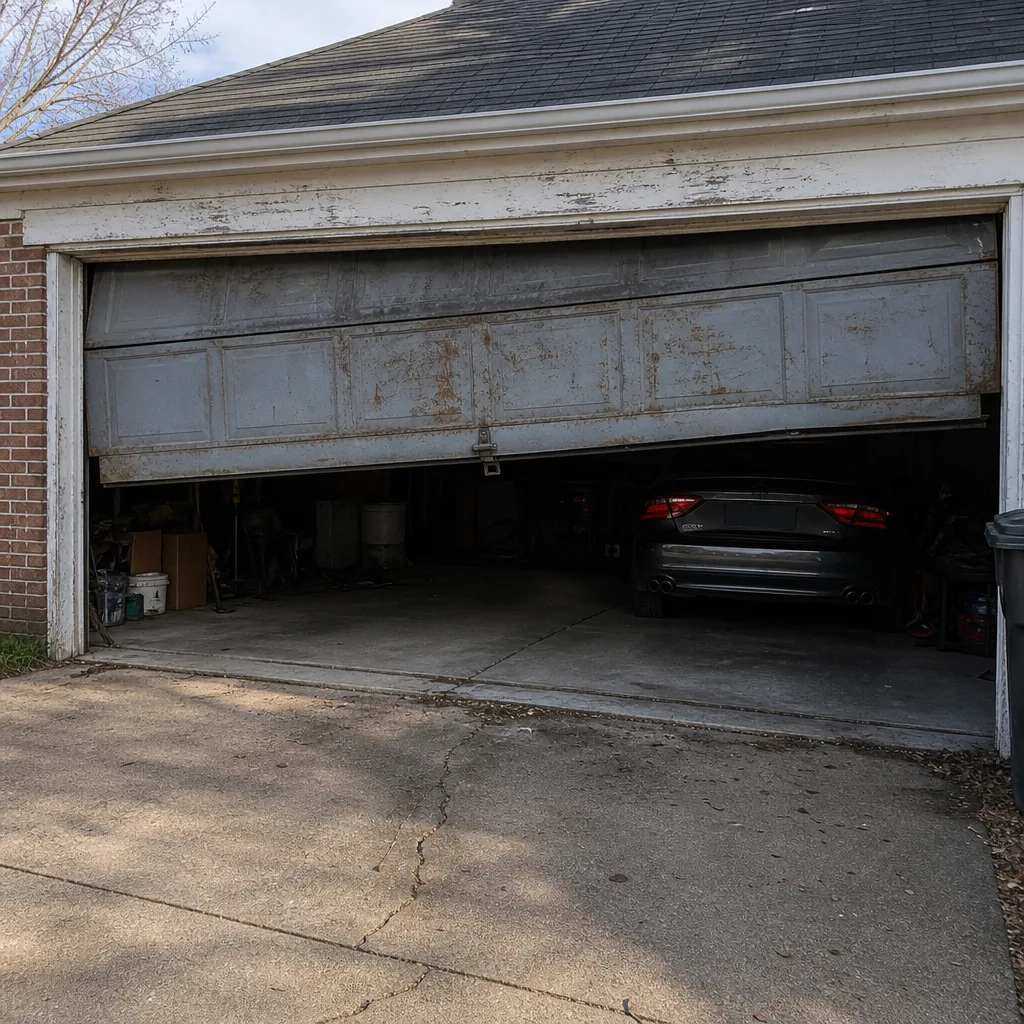 Before
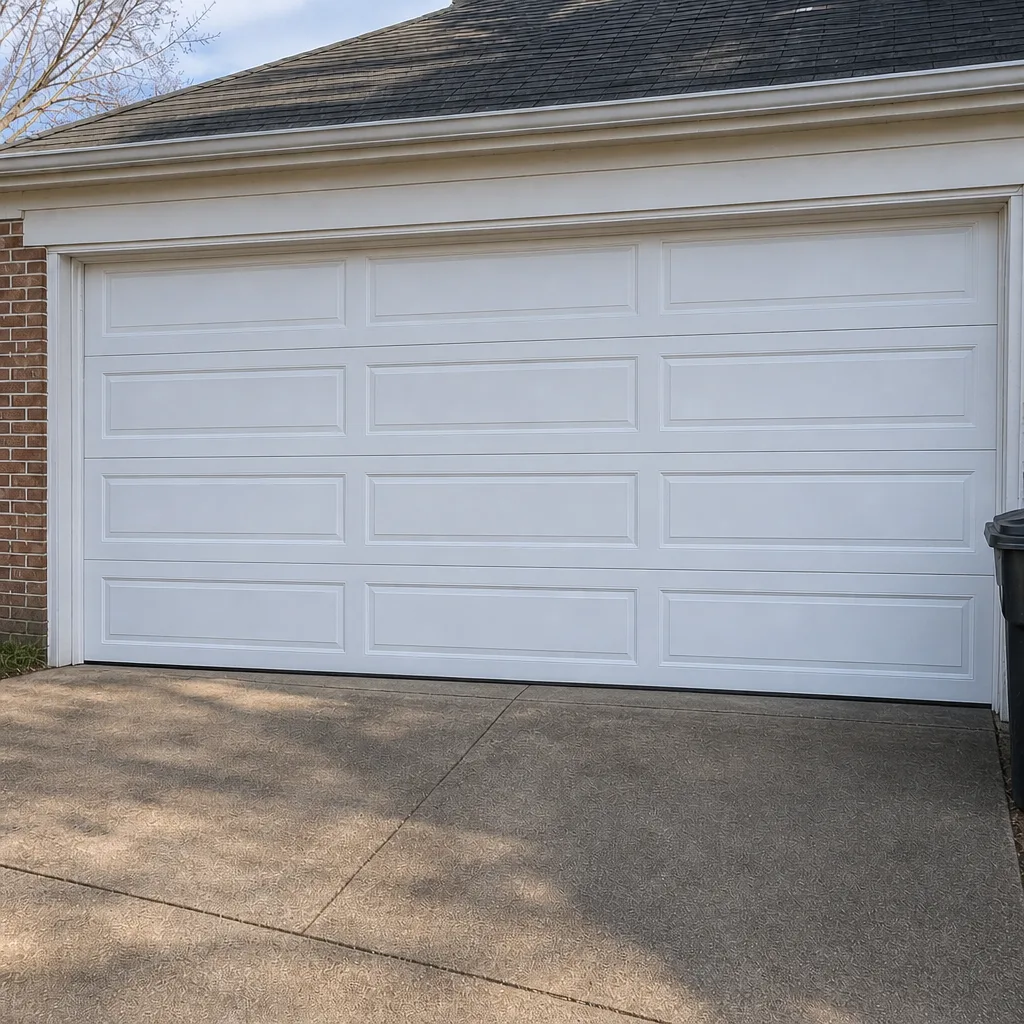 After
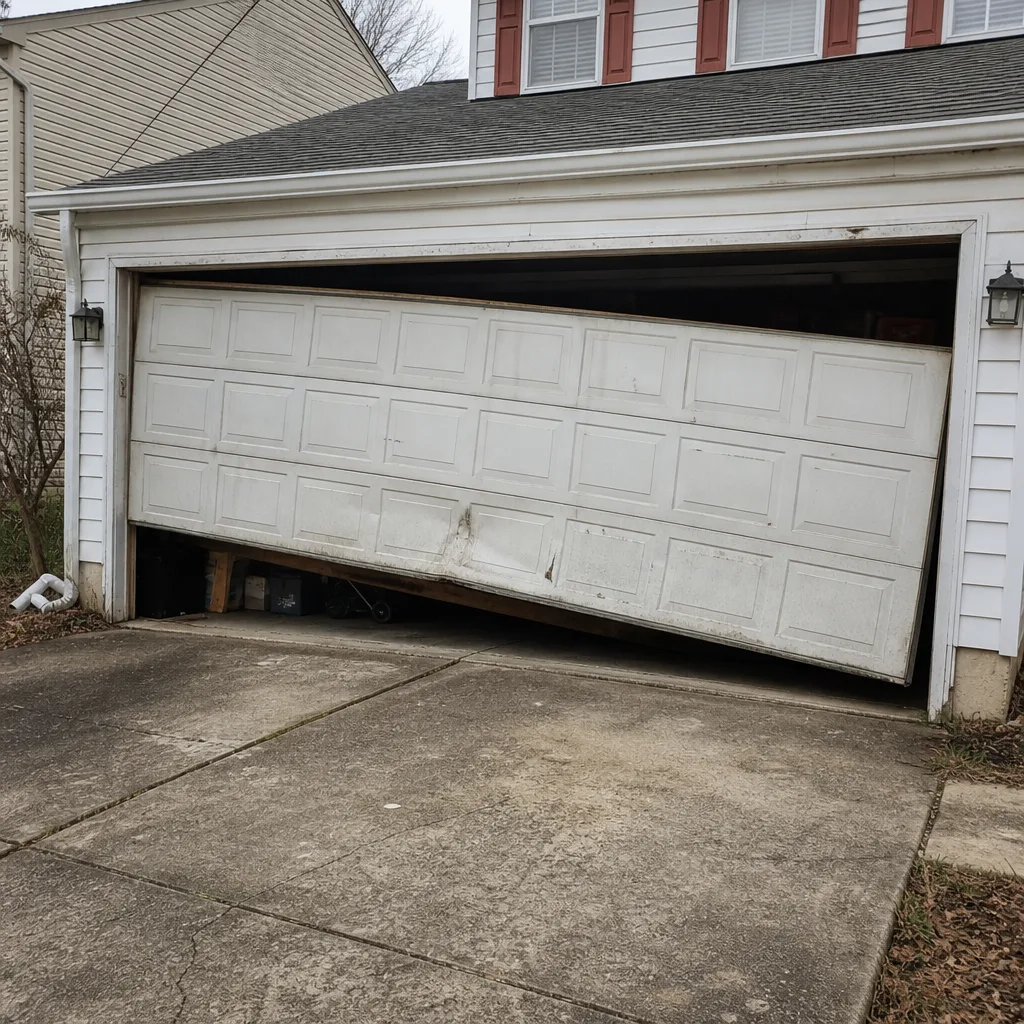 Before
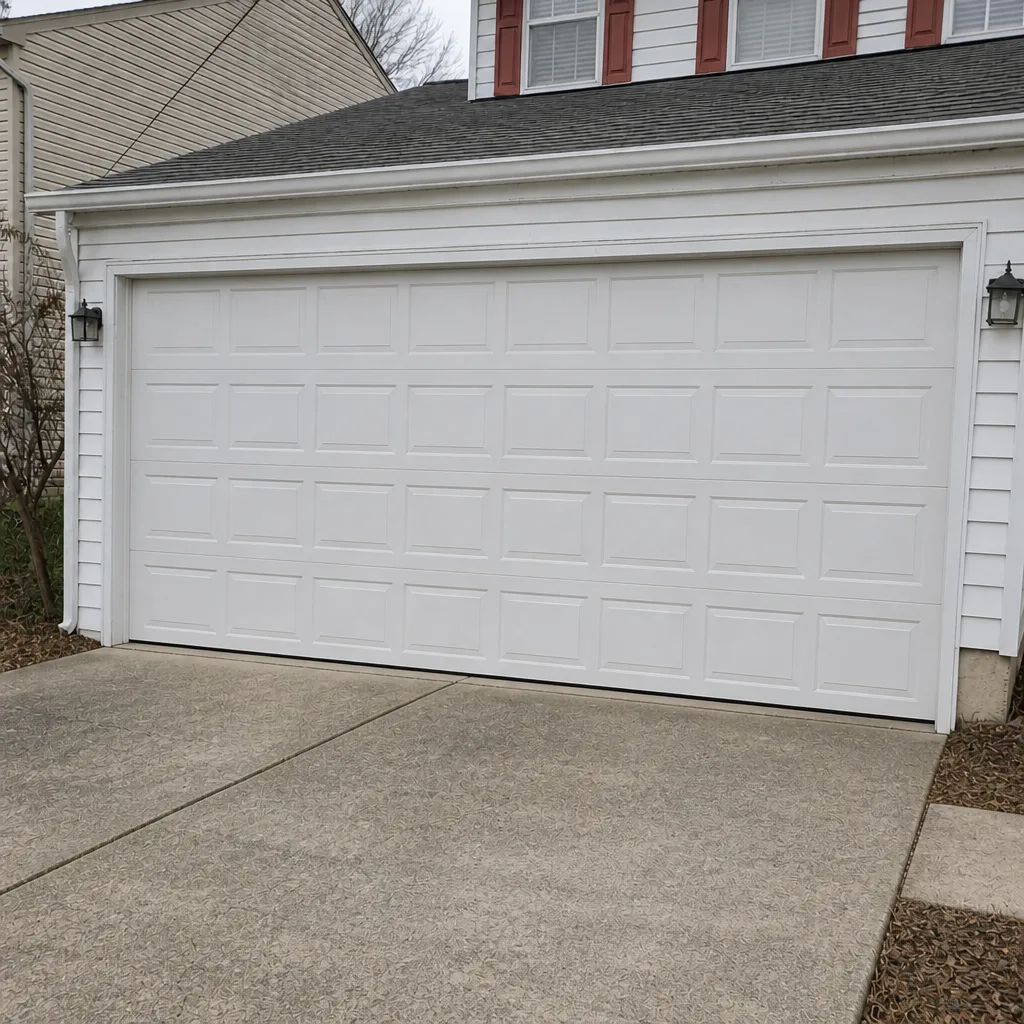 After
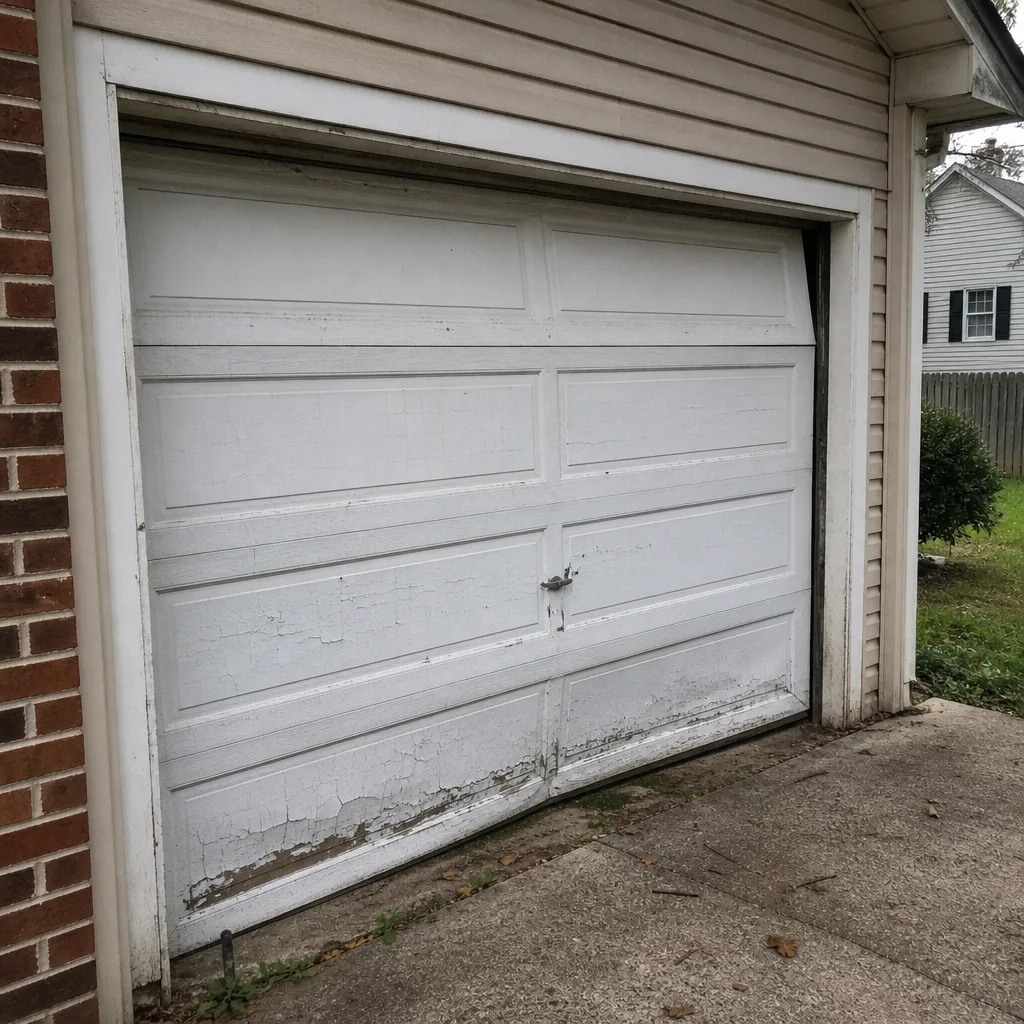 Before
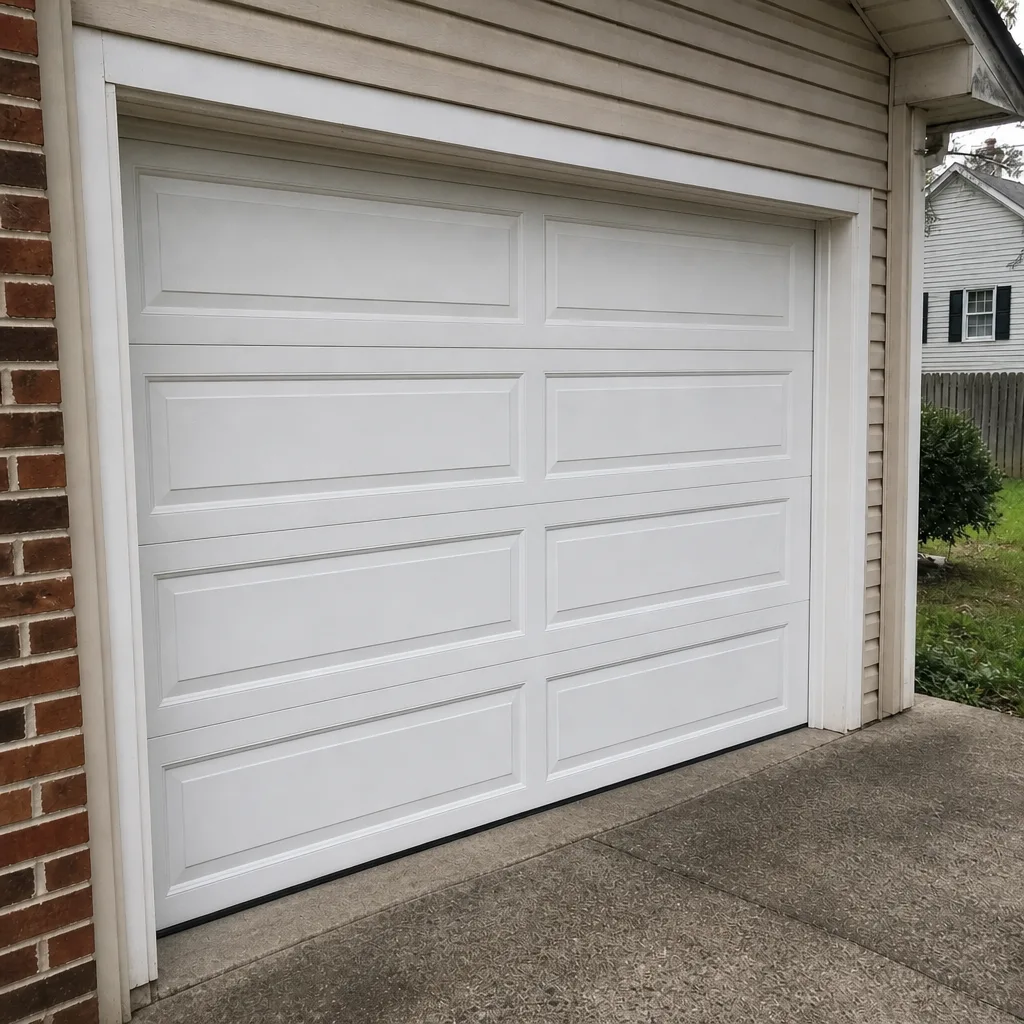 After
When to Call a Professional
Call a technician for anything involving springs, cables, torsion hardware, tracks that have shifted, or an opener that won’t hold its settings. Also call if you’ve run the balance test and the door fails, if you hear a loud pop from overhead, or if the door has come off its track entirely. Those situations involve stored energy or structural load and aren’t safe to sort out from a ladder. Our technicians have up to 9 years of experience with the eight major brands, and they’ll tell you whether a repair or a replacement is the better move. Bowie Garage Door Repair Pros offers free estimates in Bowie. Call (833) 754-7945.
Frequently Asked Questions
Once a year is the right baseline for a household with average use, and every 18 to 24 months if the door runs only a couple of times a day. If the door cycles five or more times a day, service it annually. Homeowner inspection and lubrication should happen between professional visits on a schedule tied to your actual daily use.
You should not lubricate the springs at all. They’re the highest-risk component on the door and lubricant on the coils changes how they distribute tension. Leave the springs dry and lubricate only the rollers, hinges, pivot points, and opener rail with a silicone-based spray.
Routine maintenance visits typically run in a modest range for a full inspection, lubrication, and opener calibration, and specific part repairs are quoted on top. Spring repair is priced per spring, and a matched pair usually needs both replaced, so expect roughly double a single-spring price. The written estimate you get before work starts is the price.
Usually not. A door that reverses early is signaling a misaligned safety sensor, a drifted travel limit, or an over-tight force setting. It’s worth checking the sensor lenses first, but if that doesn’t fix it, the opener needs calibration that a technician should handle.
No. For every job we quote, the price is set and agreed before any work starts. If a technician spots something that changes the scope, they’ll tell you and get your approval before touching it. That applies to repairs, maintenance, and installations alike.
The local professionals we connect you with are licensed and insured as their state requires. We work on LiftMaster, Chamberlain, Craftsman, Raynor, Genie, Clopay, Amarr, and Wayne Dalton equipment, so the technician who shows up knows your brand rather than guessing at it. Call (833) 754-7945 for an exact quote; estimates are free.
The Bottom Line
The useful divide in garage door care is between touching the door and touching stored energy. Inspect, balance test, lubricate the right parts with the right product, and photograph anything unusual. Leave springs, cables, and opener calibration to a technician. Tie your inspection schedule to how often the door actually runs, not to the calendar, and lime the checklist to Bowie’s humid summers and freeze-thaw winters. Fix the drag, don’t hide it with force settings. Repair first, replace when it stops making sense. And when anything on the technician side of the line shows up, call.
For repairs, opener work, spring service, or a new door installation in Bowie, contact Bowie Garage Door Repair Pros. Bowie Garage Door Repair Pros connects you with independent local professionals who work on the brand you already have. Call (833) 754-7945 for a free estimate.
Written by the team at Bowie Garage Door Repair Pros.