Last updated November 21, 2026
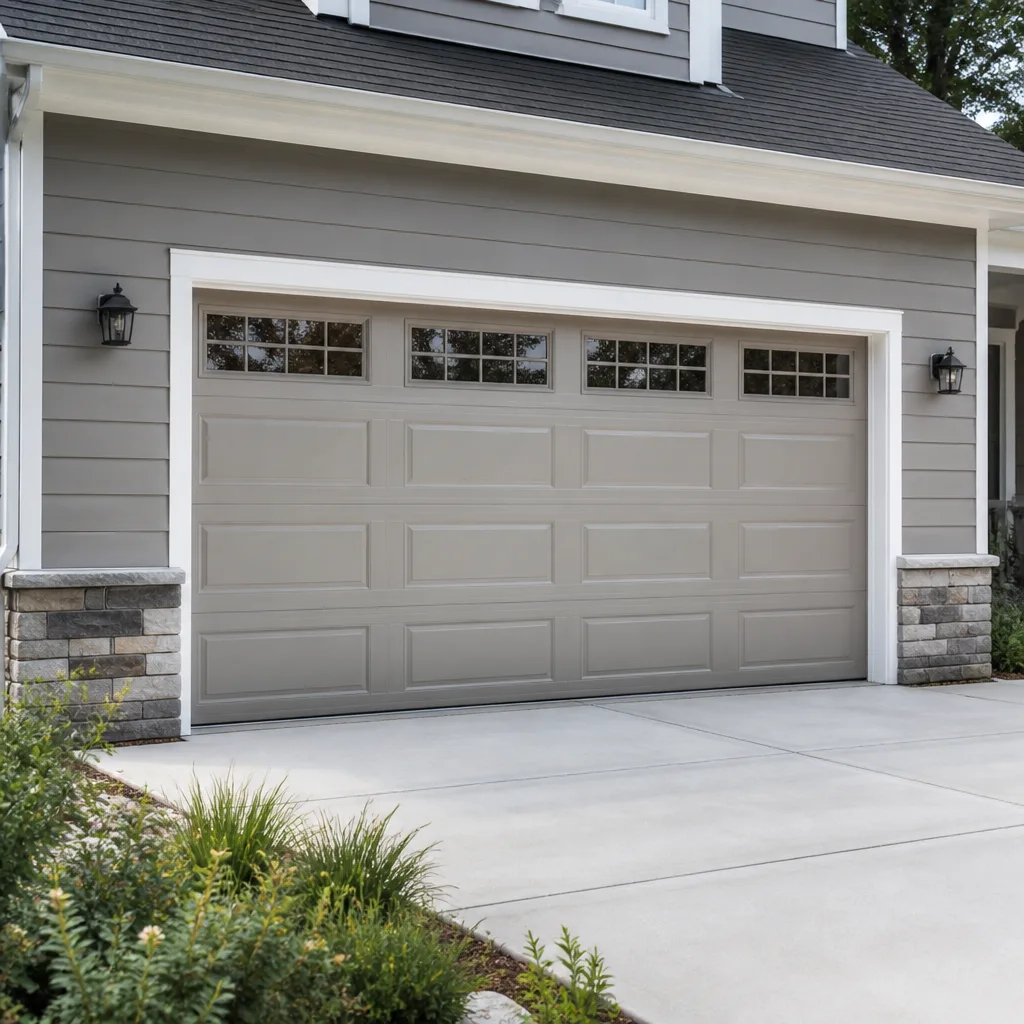 Raised-panel steel
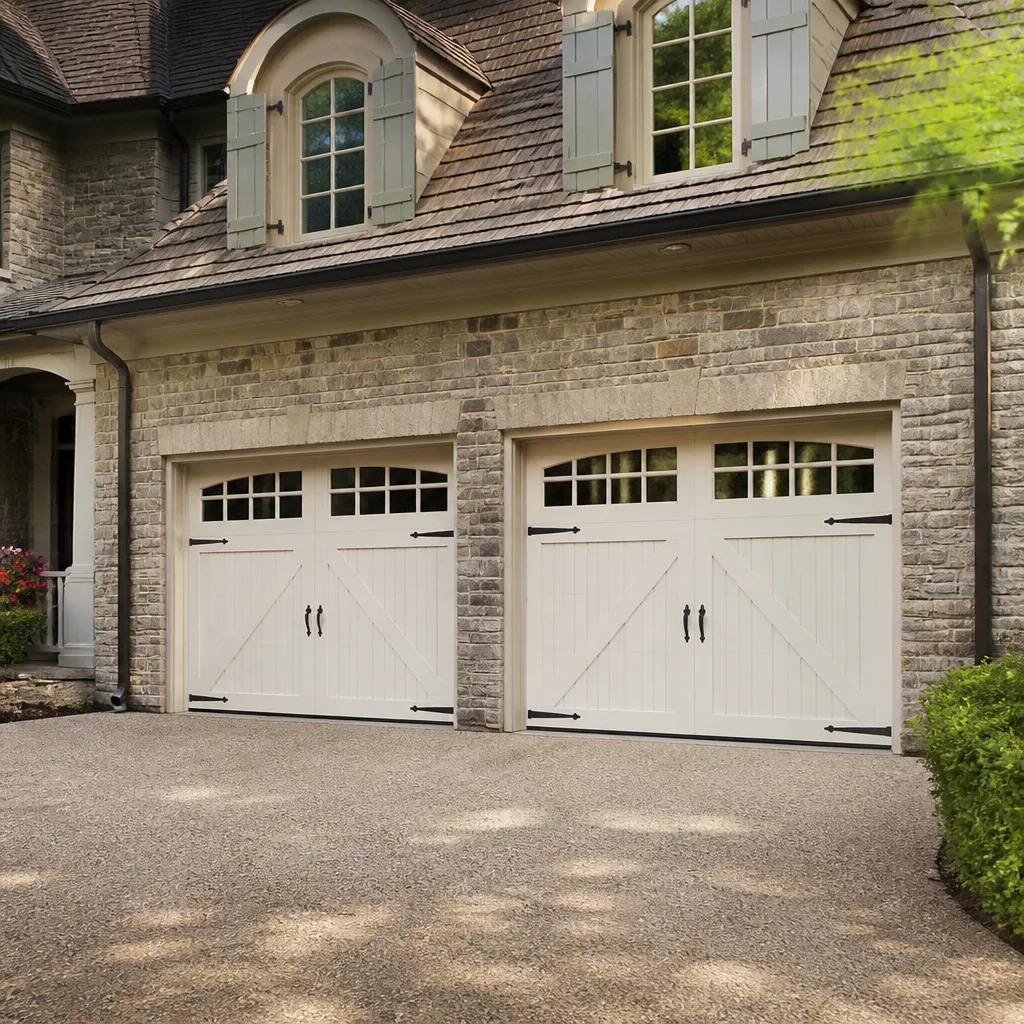 Carriage house
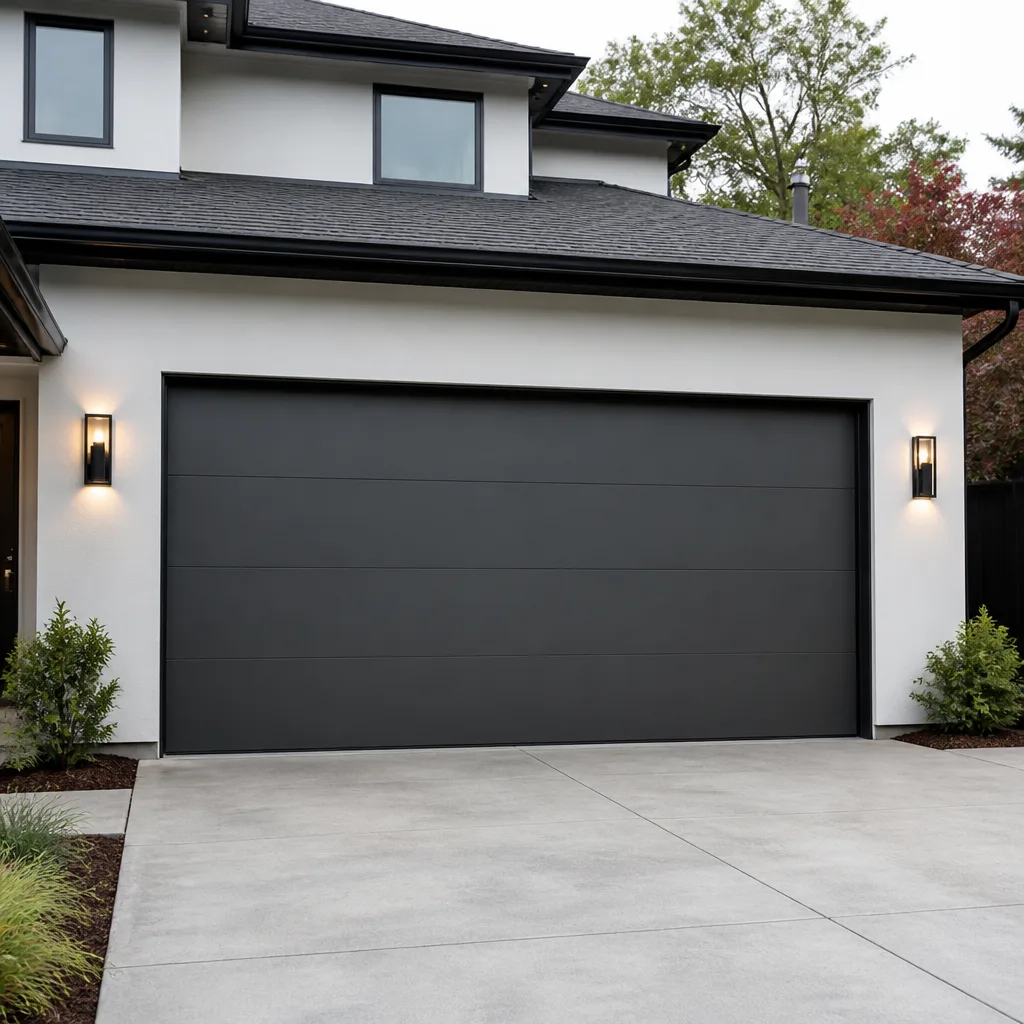 Modern flush
 Full-view glass
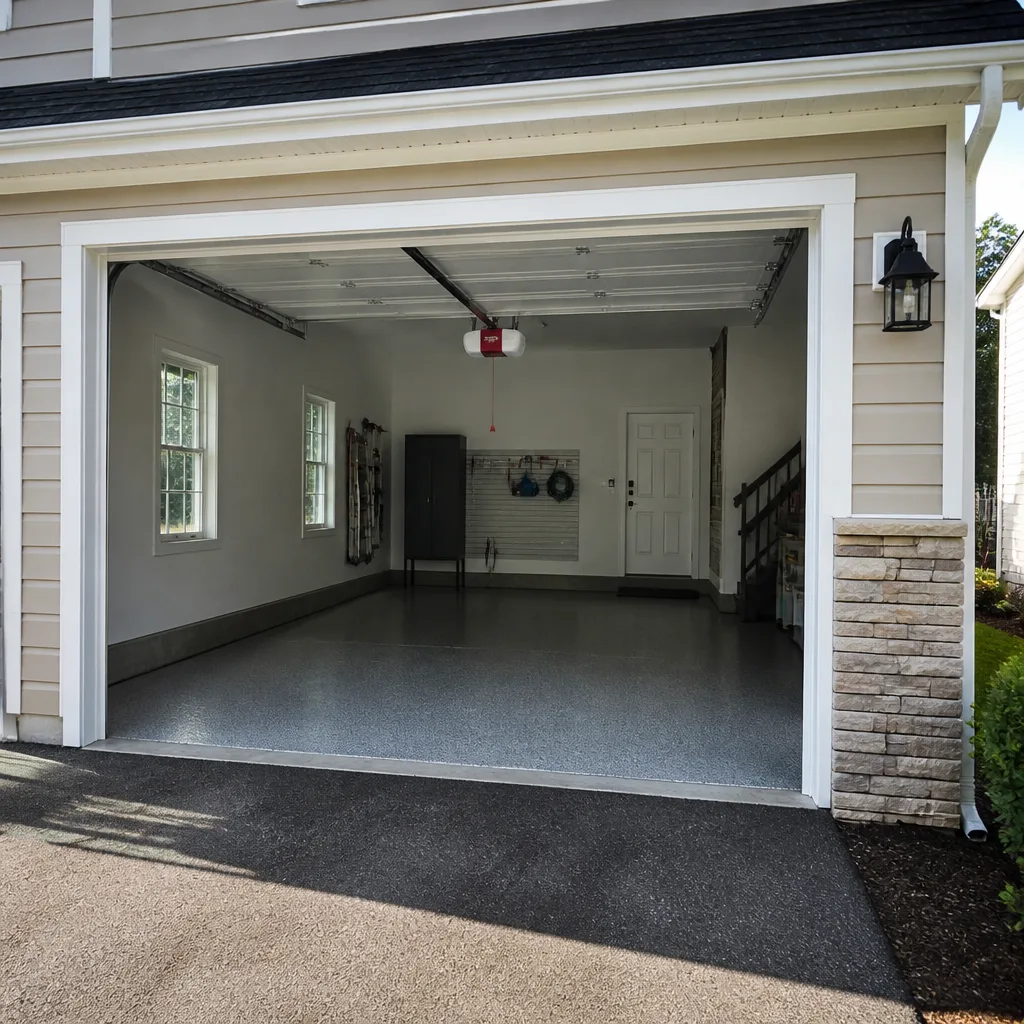 LiftMaster openers
 Chamberlain openers
Full 25-point door and opener safety check with every visit - springs, cables, rollers, tracks, and your LiftMaster or Chamberlain opener included
You get a price before we start. It does not change when the pro arrives.
Get your free estimateDIY vs Professional Garage Door: The Bowie Homeowner’s Decision Guide
Most advice on this subject takes one of two lazy positions: never touch your door, or watch a video and save the money. Neither is honest. The real answer depends on which part failed, and the parts split cleanly into two groups. A torsion spring holds enough stored energy to cause a serious injury in less time than it takes to react, and no tutorial changes that physics. A keypad swap, a bottom bracket, or a travel-limit adjustment on a LiftMaster or Chamberlain opener is well within reach for anyone who’s replaced an outlet. This guide maps the actual risk task by task, explains why spring work sits in a category of its own, lists the modest tools a Bowie homeowner needs, and shows where a failed DIY attempt ends up costing more than the professional quote would have.
Quick Answer
Low-risk garage door tasks are safe to DIY: replacing remotes and keypads, adjusting opener travel and force limits, freeing a jammed track, lubricating hinges and rollers, and replacing weather seal. High-risk tasks are not, ever: torsion and extension spring replacement, cable replacement, and any work done with the door under spring tension. Everything else usually comes down to the door’s age, the system type, and whether a symptom is hiding a second problem. If you can’t identify the failure with confidence, that uncertainty is the signal to call.
Styles & brands we work with
- Raised-panel steel
- Carriage house
- Modern flush
- Full-view glass
- LiftMaster openers
- Chamberlain openers
Table of Contents
- The task-by-task risk matrix
- Why torsion springs are categorically different
- The tools a Bowie homeowner actually needs
- How to spot a “simple” job with hidden complexity
- When a failed DIY attempt costs more than the quote
- What Bowie’s climate and housing stock do to your door
- Five DIY tasks, step by step
- The decision framework: five questions before you start
The Garage Door DIY Risk Matrix
Garage door work doesn’t produce one kind of risk. It produces three, and they behave nothing alike. Some tasks carry injury risk, some carry property risk, and some carry essentially none. Sorting a job into the right column before you touch anything is the whole decision. The matrix below covers the repairs homeowners most often ask about in Bowie.
Low risk: safe for a careful homeowner
- Replacing remotes and keypads. Pairing a new remote or wireless keypad to a LiftMaster or Chamberlain opener is a programming sequence, not a repair. No tools beyond the manual and a ladder.
- Adjusting opener travel and force limits. Openers have adjustment screws or a menu setting for how far the door travels and how much force it applies before reversing. Small, patient changes are well within DIY range.
- Lubricating hinges, rollers, and the spring shaft. A garage door lubricant on hinge pivots and roller bearings quiets a door and slows wear.
- Clearing a jammed track. If a roller has popped out or a small object is fouling the track, freeing it gently with the door down and the opener disconnected is straightforward.
- Replacing weather seal and bottom rubber. These are push-on or slide-in parts on most doors.
Medium risk: doable, but one mistake gets expensive
- Replacing a bottom bracket. The bracket at the bottom corner of the door is not under spring tension on most designs, but it is under cable tension. If you loosen the wrong bolt, the cable can release and the door can drop.
- Replacing a hinge or roller on a high section. The work itself is simple, but the ladder position and the door’s balance matter. Never lean a ladder against a door panel or work under a door held only by its opener.
- Replacing an opener. Wiring a new opener to the existing high-voltage outlet, mounting the rail, and setting limits is methodical work. A mistake leaves you with a door that won’t reverse on obstruction, which is a safety system failure.
High risk: stop and call
- Torsion spring replacement. The spring is wound to counterbalance the door’s weight and stores that energy in the coils. Winding or unwinding it requires specific knowledge, correct winding bars, and a fail-safe sequence. This is not a technique problem you solve with a better video.
- Extension spring replacement. Same stored-energy problem, different geometry. Extension springs and their safety cables can release violently.
- Cable replacement. Cables are under heavy tension whenever the door is up or the spring is wound. A slipping cable or a snapped one is a call to a professional, not a weekend project.
- Any work on a door whose spring has already broken. The door is being held by the opener or the momentum of a fall. Do not open it manually and do not rewind or cut anything free.
If your job lands in the high-risk column, our garage door spring repair work covers exactly this territory. Our technicians have up to 9 years of experience.
Why Torsion Springs Are Categorically Different
Torsion spring work isn’t a harder version of replacing a hinge. It belongs to a different category because the danger is stored, not active. When you change a hinge you’re handling steel you can see moving. When you handle a torsion spring you’re handling a coiled metal bar holding the weight of the entire door, and the energy in that coil is waiting, not working. Nothing about the task makes it obvious how much energy the coil is holding. That’s why it’s genuinely dangerous, and it’s also why warnings about it aren’t fear-mongering. The spring may sit quietly, weigh only a few pounds, and give no sign of what it holds.
Torsion springs work like a wound clock spring. As the door closes, the coils tighten. When you lift the door, the spring unwinds and its energy does the lifting for you. That’s why the door feels light. The spring stores more energy the tighter it’s wound, and that stored energy is released when the spring is unwound or when it breaks. Faulty winding bars, wrong-sized bars, an unsecured door, and a slip all combine into a single failure with almost no warning. Spring work also requires specific technique: the correct number of winding turns, the right end-plate and bearing, and a door secured with a lock or clamp before the spring is touched. This is why we outsource nothing on springs and why we hire for the training and tooling. The same reasoning applies to garage door repair calls after a spring failure, because the door often needs balancing, tracking, and sometimes a bracket replaced once the spring is back in service.
If your door’s spring has snapped – typically a loud bang and a door that won’t lift – the safe action is to leave the door down, keep the opener off, and call. If you must get a car out, that’s an emergency call, and we treat it that way; see the emergency section below.
The Tools a Bowie Homeowner Actually Needs
You don’t need a specialty service kit to do the legitimate DIY tasks. You need a small, sensible set that most homeowners already own or can put together for around the price of a modest household toolkit. Anything beyond this list tends to be a sign you’ve crossed into the professional zone.
- A socket and wrench set with a quarter-inch and three-eighths drive, plus the right-size driver bits for your opener’s screws.
- A pair of locking pliers and a pair of standard pliers.
- A level – a short torpedo level is fine for opener work.
- A tape measure and a marker.
- A safe step ladder, rated for your weight and placed firmly on flat concrete.
- Garage door lubricant for hinges and rollers, and a separate dry lubricant for the opener’s rail if needed.
A few cautions about that list. Don’t substitute an ordinary steel wrench for a proper spring winding bar; spring work isn’t on the list and won’t be. Don’t use a screwdriver as a lever on a track. Don’t stand on a folding chair or stool, and don’t work on a door with the opener connected while you’re anywhere near the moving parts. If a job needs you under the tracks, disconnect the opener and secure the door first. If it needs the door in the air with the spring wound, that job isn’t on your list.
How to Spot a “Simple” Job With Hidden Complexity
The jobs that go wrong usually look simple. The symptom is one thing and the cause is another. Before you decide a job is easy, run through these checks. Each one points to either a green light or a warning for a specific door type.
1. How old is the door, and who made it?
Older doors often have obsolete hardware. Genie and Craftsman openers from earlier decades may use discontinued parts. Clopay and Amarr door sections from different eras have changed profile dimensions. A part swap on a twenty-year-old door can turn into a hunt for a no-longer-made piece, and a track that was designed for a different roller gauge won’t accept a generic replacement cleanly. If you can read the tag on the door and the opener, you know what you’re dealing with. If you can’t identify the system, that’s the first thing a professional will do.
2. Is the door balanced?
Disconnect the opener using the manual release and lift the door by hand, halfway. It should stay up with light effort. If it creeps down, slams down, or feels heavy, the spring is failing or misadjusted and the door is out of balance. An unbalanced door attacks the opener, the tracks, the hinges, and the cables – all at the same time. It’s a spring or professional issue regardless of what small symptom you noticed first.
3. Does the door reverse on obstruction?
Place a piece of wood or a firm object under the door and let it close. The door should reverse. If it doesn’t, the opener’s force limit is set too high, and that’s a safety system failure. Adjusting travel and force is a low-risk DIY job, but a door that won’t reverse needs the adjustment made correctly.
4. Is there evidence of a past repair?
Mismatched springs, a patched bracket, a wrong-size roller, or a visible splice in a cable usually means someone was in here before and got partway through. Tracking down what was left undone is more work than it looks, and the wrong assumption at the wrong moment can be the thing that lets a cable go.
5. Is the problem noisy or intermittent?
A clunk on open, a door that occasionally stops a few inches off the floor, or a grinding sound that only shows up in cold weather usually has a cause you can’t see without checking balance, track alignment, and roller condition. These are exactly the jobs to have a professional diagnose before they get expensive.
When a Failed DIY Attempt Costs More Than the Quote
Homeowners often weigh DIY against a quote and think the worst case is “I failed and now I pay the quote.” That isn’t the worst case. The realistic failure patterns are worse than that because a wrong step damages additional parts. Here are the ones we see and what they actually cost.
- A cable slip on a bottom-bracket job. The door drops and the tracks take the load. You replace the bottom section, one or both tracks, and the cable and bracket. What started as a bracket swap can turn into a multi-section repair.
- A wrong-size roller forced into a track. The roller binds, the door jerks, and the track bends. Now you have a tracking repair plus the original problem.
- A spring “saved” by a homeowner. The spring slips and the torsion bar takes a strike. The result is often a bent shaft, a cracked end plate, and sometimes a damaged panel. A spring repair quote becomes a spring-plus-hardware repair.
- An opener miswired to the outlet. The opener can fail, and worse, an incorrectly connected high-voltage circuit is an electrical problem that needs an electrician, not a door tech.
- A force limit left too high. The door appears to work but no longer reverses on obstruction. Nothing may go wrong for months, and then it does, and someone gets hurt.
None of this is meant to scare anyone off the legitimate DIY tasks. It’s a reminder that the cost comparison for a failed attempt isn’t DIY versus the quote. It’s the quote versus the quote plus a repair that started from a rolled back door. That’s why we always offer a free estimate and a written price before anything starts, so the number on the page is the number you can decide against.
What Bowie’s Climate and Housing Stock Do to Your Door
Garage doors in Bowie live through humid summers and cold winters, and that cycle does its own quiet damage. Summer humidity swells wood door panels, seizes rollers, and lets hinges start to rust at the pivot. Winter cold contracts the frame and makes the door’s steel sections move against each other, which is why a door that sounds fine in June develops a rattle in January. Doors on homes in neighborhoods like Old Bowie, Pointer Ridge, and Belair at Bowie deal with the same freeze-thaw cycle, and it shows up in the same places: cracked bottom seal, rusted hinges, loosened bolts on the hinges above the bottom section, and a track that’s been pushed slightly out of alignment by settling concrete.
Housing here spans a wide age range. Older homes in the Bowie – Bowie area have wood or steel doors with extension springs or an older torsion setup, while newer construction throughout the city tends toward sectional steel doors with modern torsion systems. A door from the 1980s and a door installed last year need different approaches, and the builder photos on a 2021 door won’t help the homeowner with a 1996 Clopay. That’s where we see the most DIY frustration: parts that look interchangeable across decades and aren’t.
Maryland’s humidity also drives a quieter problem. Vents, seals, and the bottom rubber on the door take a beating and dry out. A seal that’s gone stiff lets in water, which finds its way to the bottom panel and the track base. If your door has a sponge-like bottom rubber or a visible gap at the threshold, replacing that seal is one of the best low-risk DIY tasks and one of the highest-value ones for preventing long-term damage.
If you want a professional read on your specific door without starting with a repair, our Bowie Garage Door Repair Pros team can look at balance, spring condition, and opener settings and tell you honestly whether you’re facing a repair or a replacement.
Five DIY Tasks, Step by Step
These are the five jobs we’re comfortable walking a careful homeowner through. Each one assumes the door is down and the opener is disconnected unless stated. If a step gives you pause, stop there – that’s the honest answer.
- Pair a new remote or keypad. Find the opener’s learn button on the motor housing. Press it briefly, then press the new remote button within the pairing window. Test it. Repeat if it doesn’t take. No tools beyond the manual.
- Lubricate hinges and rollers. With the door closed, put a small amount of garage door lubricant on each hinge pivot and roller bearing. Don’t spray the tracks; dry tracks and roller wheels don’t want oil. Wipe up excess.
- Adjust opener force and travel limits. With the door down, open and close it and watch where the door stops. Adjust the travel screws or menu setting in small increments. Then test the reverse-on-obstruction with a firm object. Adjust in small steps until the door reverses reliably.
- Replace the bottom weather seal. With the door down, pull the old seal out of the channel (most are slide-in or slide-and-clip). Clean the channel, slide in the new seal, and confirm the door closes against the threshold with light contact, not a crushing press.
- Free a jammed track or roller. With the door down and the opener disconnected, find the roller that’s out of the track. Gently spread the gap in the track with a small pry bar, or work the roller back in with a screwdriver, then close the gap with pliers. Confirm the door moves evenly by hand before reconnecting.
If you finish any of these and the door feels different – heavier, stiffer, or noisier – don’t keep going. A door that changed after your work has a reason, and finding it is the right next step.
The Decision Framework: Five Questions Before You Start
The clean way to decide is five questions. If any answer sends you to the professional column, take it.
- Does this task involve a spring, a cable, or the door under tension? If yes, stop. This is the one question that matters more than all the others.
- Is the door balanced and reversing on obstruction? If no, that’s the actual job, not the symptom you noticed. Get it diagnosed.
- Can you identify the door and opener by make and model? If not, you’re working blind on a system you’ll need to source parts for. That’s the time to call.
- Is the door older than about fifteen to twenty years? If yes, assume obsolete parts and worn hardware until proven otherwise. Many jobs that look simple on a new door aren’t on an old one.
- Would a wrong step put anyone under or near the door? If yes, don’t proceed. A garage door is heavy, and the safest person to move a heavy door under tension is one who does it every day.
Those five questions cover most of the decision. If you want the same assessment done by someone with the tools and the training, a free estimate costs you nothing but a call. Our garage door opener repair team handles the opener side of that assessment across LiftMaster, Chamberlain, and Genie systems, and the eight major brands we work on cover nearly every door in Bowie. We’re available for emergency calls when a door fails and a car is trapped.
Common Mistakes to Avoid
- Disconnecting the opener and forgetting to re-engage it. After any manual work, confirm the manual release is back in the motor position and test the door before you leave the garage. A door left disconnected falls when the opener next runs.
- Standing under the door while adjusting opener settings. Test travel and force from beside the door, not beneath it. This is the most common way mild opener mistakes turn serious.
- Using the wrong spring winding bars, or any substitute. A screwdriver, a socket extension, or a pair of pliers slipped into a winding cone is not a winding bar. Spring work isn’t on the DIY list for a reason, and this is the top reason.
- Forcing a stuck door open. A door that won’t lift by hand is often a broken spring. Forcing it strains the opener, bends the tracks, and can let a cable slip. Leave it down and call.
- Spraying oil into the tracks. Tracks are meant to be dry. Oiling them attracts grit and causes rollers to slide instead of roll, which wears both.
- Assuming a new opener fixes a door problem. If the door is out of balance or a spring is failing, the new opener will work harder and fail sooner. Fix the door first.
- Ignoring a weather seal in a Bowie summer. Humidity and rain find a dried seal fast. Replacing it is cheap, and it prevents the bottom-panel rot that forces a section replacement.
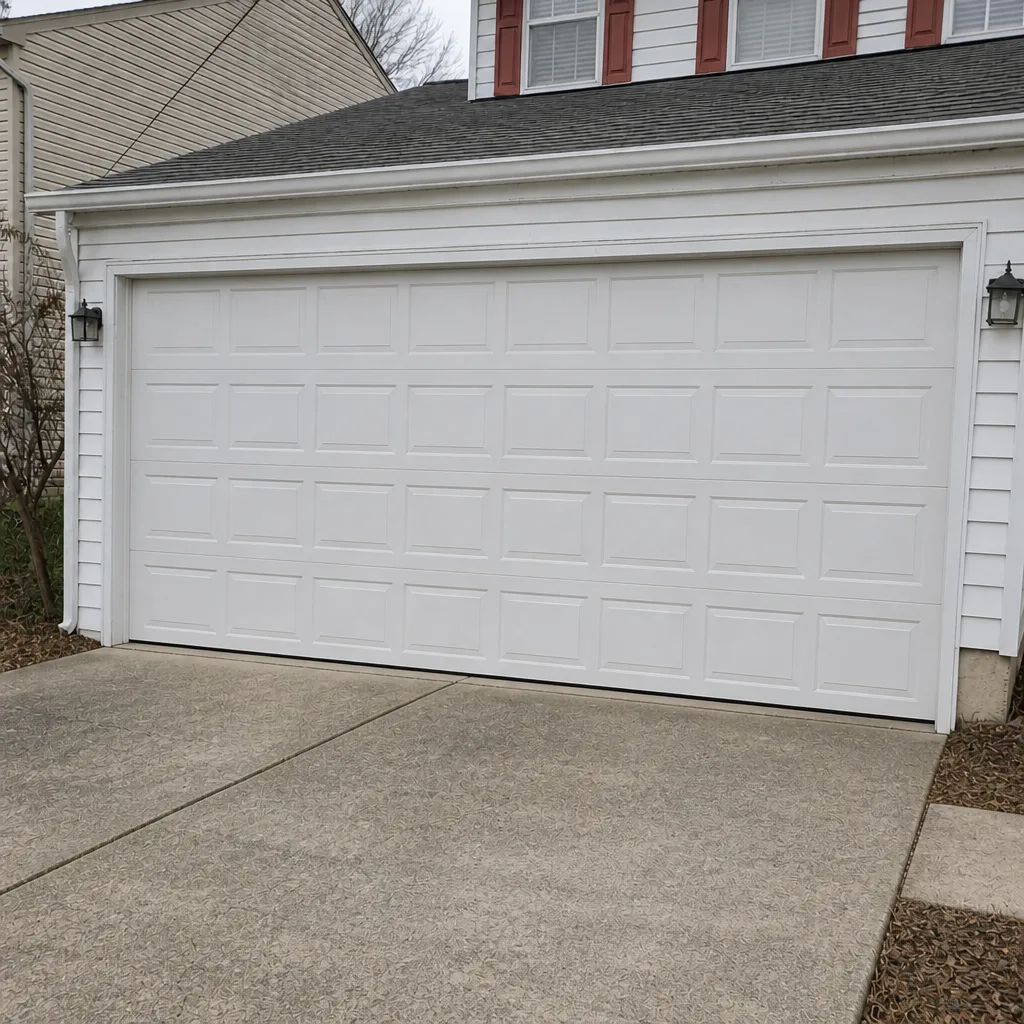
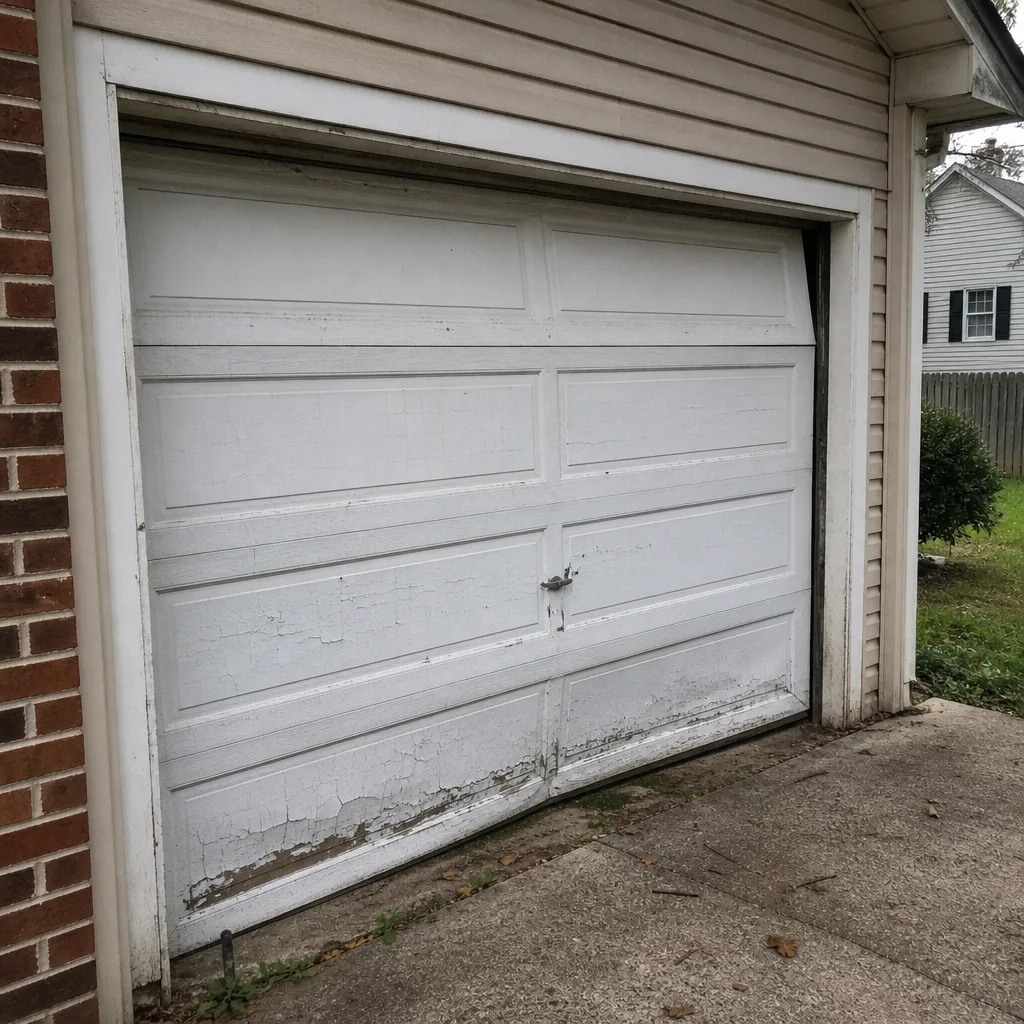
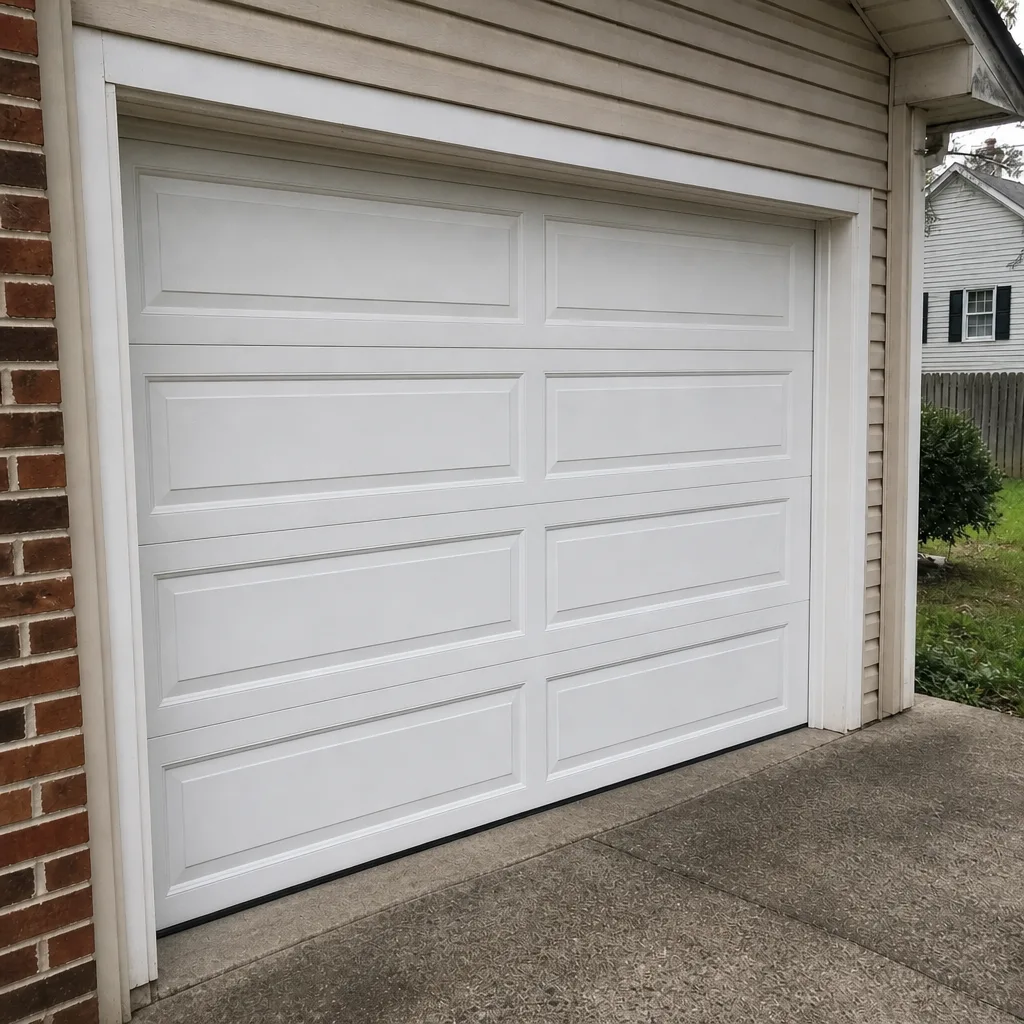
See the difference
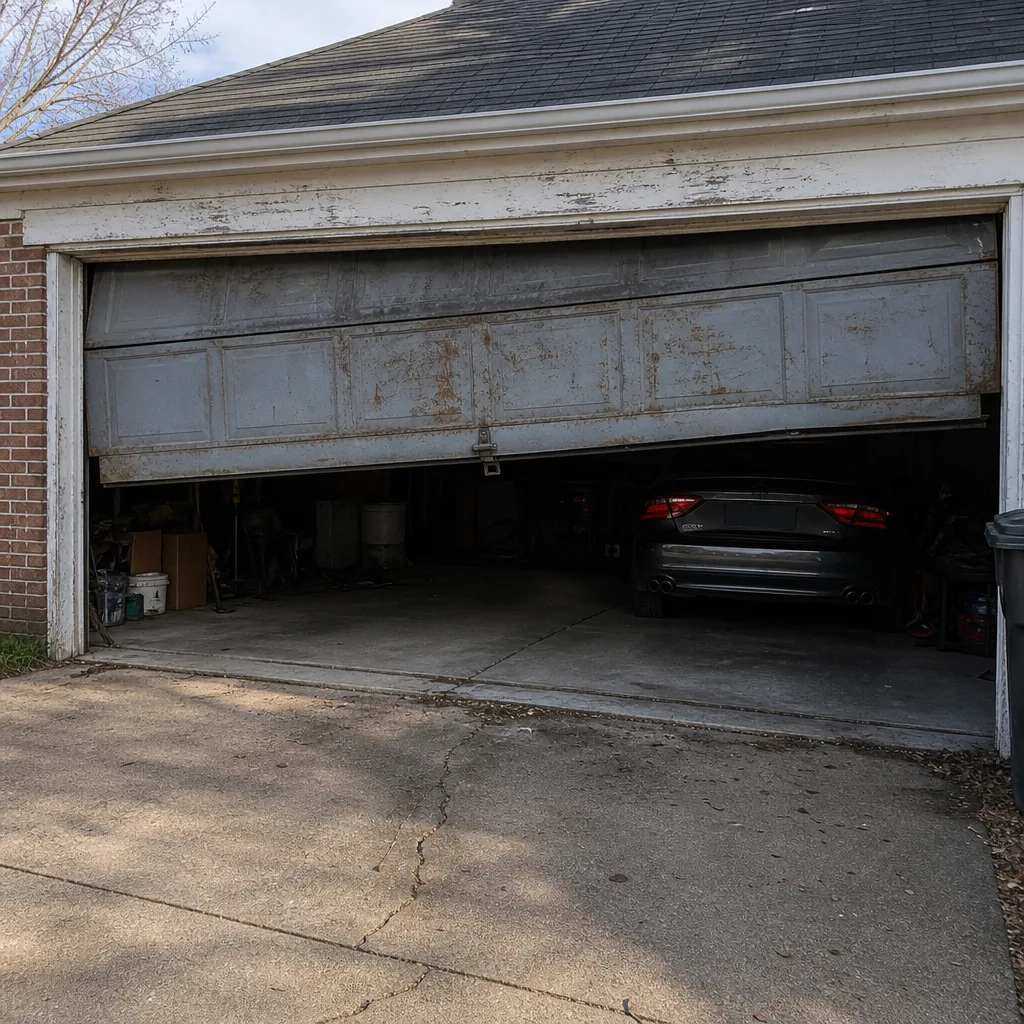 Before
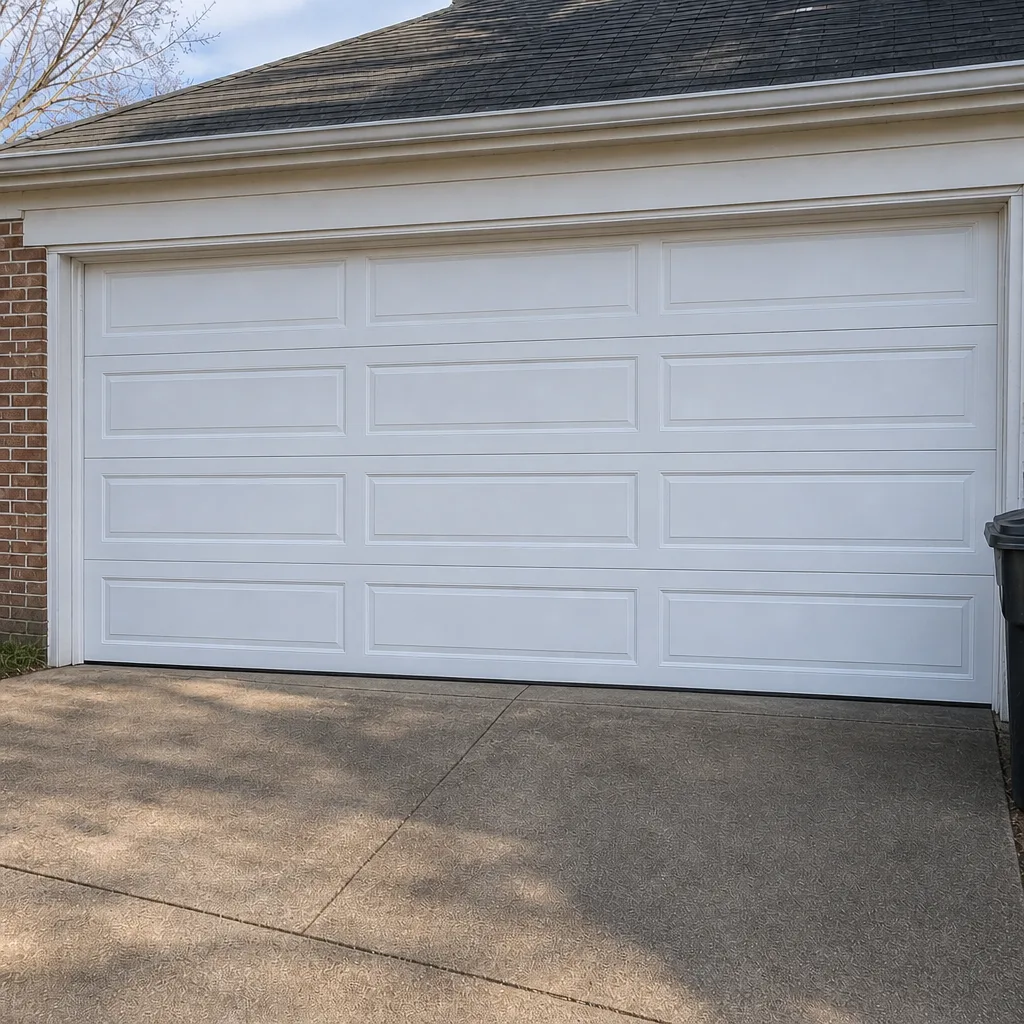 After
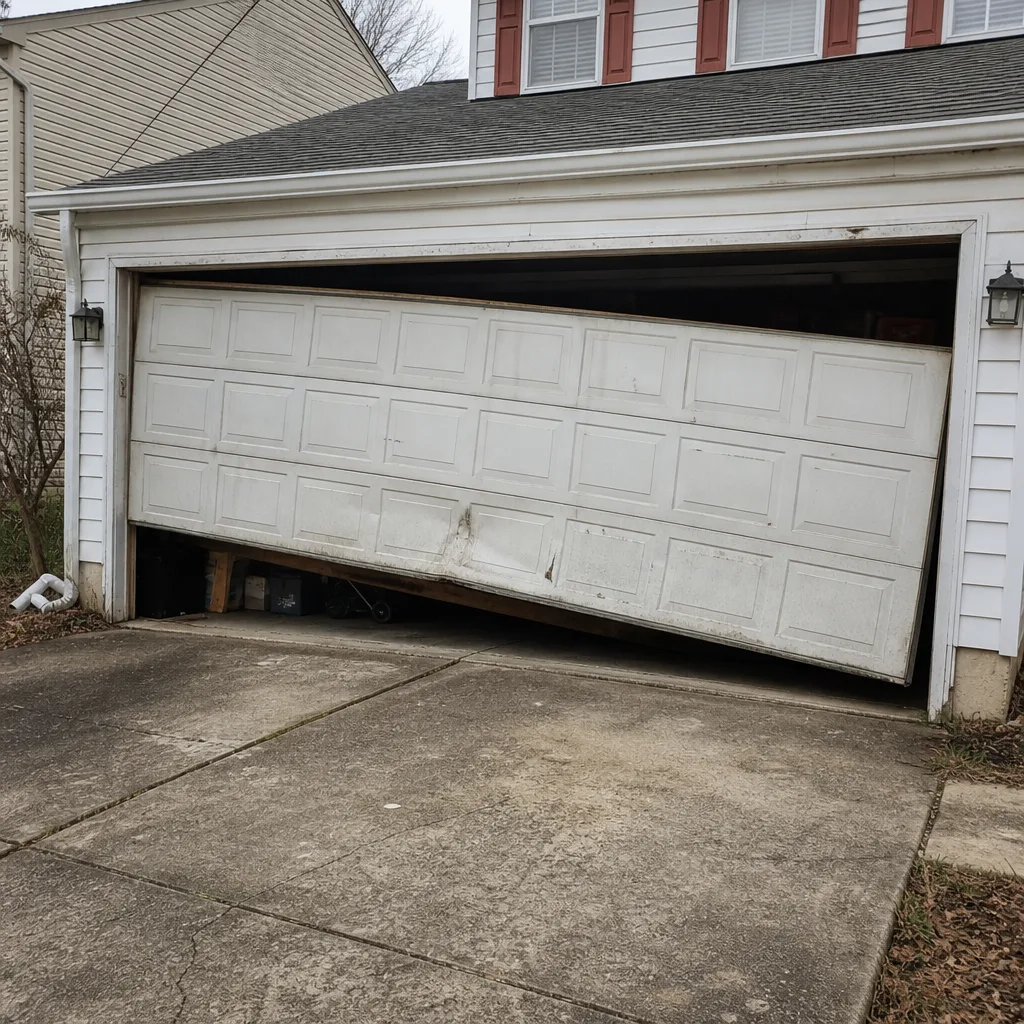 Before
 After
 Before
 After
When to Call a Professional
Call a professional for anything that touches spring tension, cables, or a door that won’t stay balanced. Call us when a spring has snapped and the door won’t lift, when a car is trapped, or when the door is open and can’t be shut – those are emergency calls. Call us when the problem is intermittent, when you can’t identify the make and model of the door or opener, or when the door is older and the parts don’t match what you’re trying to fit. Call us when the opener reverses badly or the door is noisy, and you can’t isolate the cause. Bowie Garage Door Repair Pros offers free estimates in Bowie – call (833) 754-7945. We work on the brand you already have, and we’ll tell you honestly when a repair is the right call and when replacement is.
Frequently Asked Questions
No. A torsion spring replacement is high-risk work, and the only safe action when one has broken is to leave the door down and keep the opener off. The spring stores enough energy to cause serious injury the moment it’s released, and winding or unwinding it requires the correct bars, technique, and door securing that professional technicians train for. That’s why spring repair sits outside the DIY tasks in this guide.
Replacing remotes and keypads, adjusting opener travel and force limits, lubricating hinges and rollers, replacing the bottom weather seal, and freeing a jammed roller are all low-risk jobs for a careful homeowner. Anything that involves a spring, a cable, or the door under tension is not on the safe DIY list. Lubricant, a socket set, a level, and a step ladder cover the DIY tasks; you don’t need a specialty toolkit.
Because the symptom and the cause are often different. A door that only occasionally stops a few inches off the floor looks like an opener setting issue but is usually a balance or spring problem. Doors older than about fifteen to twenty years often have obsolete hardware and worn parts that make every job harder, not just the one you noticed. If the door feels heavier or noisier than it used to, get it checked before assuming the symptom means the fix is simple.
Spring repairs and emergency situations are usually same-day, and we offer same-day service more broadly when parts are in stock and the diagnosis is clear. Call (833) 754-7945 for an exact quote – estimates are free. New installation work is measured, ordered, and scheduled rather than same-day, since the door and hardware have to be ordered.
If the door’s sections and structure are sound and the failure is a part – a spring, a cable, an opener, a roller, a hinge – repair is usually the right call and it’s the right call for your wallet. Replacement makes sense when the door is heavily rusted, the panels are damaged or failing, or the door’s age and make mean replacement parts are no longer available. A professional diagnosis with both options priced is the only honest way to decide.
Sometimes, and the most common ways are worth knowing. A slipped cable on a bottom-bracket job can drop the door and bend the tracks. A wrong-size roller can bind and warp the tracking. A force limit left too high can leave the door without a working safety reverse. Those failures usually cost more to repair than the original professional quote would have. If a job involves anything under tension, that risk goes up sharply.
The Bottom Line
The DIY question for garage doors isn’t about skill. It’s about which tasks carry a risk that better technique can’t reduce. Keypads, remotes, force and travel limits, lubrication, weather seals, and jammed rollers are safe for a careful homeowner and worth doing yourself. Springs, cables, and anything under tension are a call – no tutorial changes what a wound torsion spring holds. The other deciding factor is the door itself. Age, make, balance, and a working safety reverse tell you whether a simple-looking job is actually simple. In Bowie, where humid summers and cold winters age hardware and seals faster than most homeowners expect, the honest call is worth more than the saved dollar.
Every price we give is a free written estimate, quoted and agreed before any work starts. If you want a second read on your door – or a spring, opener, or full installation handled by technicians who’ve seen the inside of these systems – call (833) 754-7945.
Written by the team at Bowie Garage Door Repair Pros.