Last updated November 21, 2026
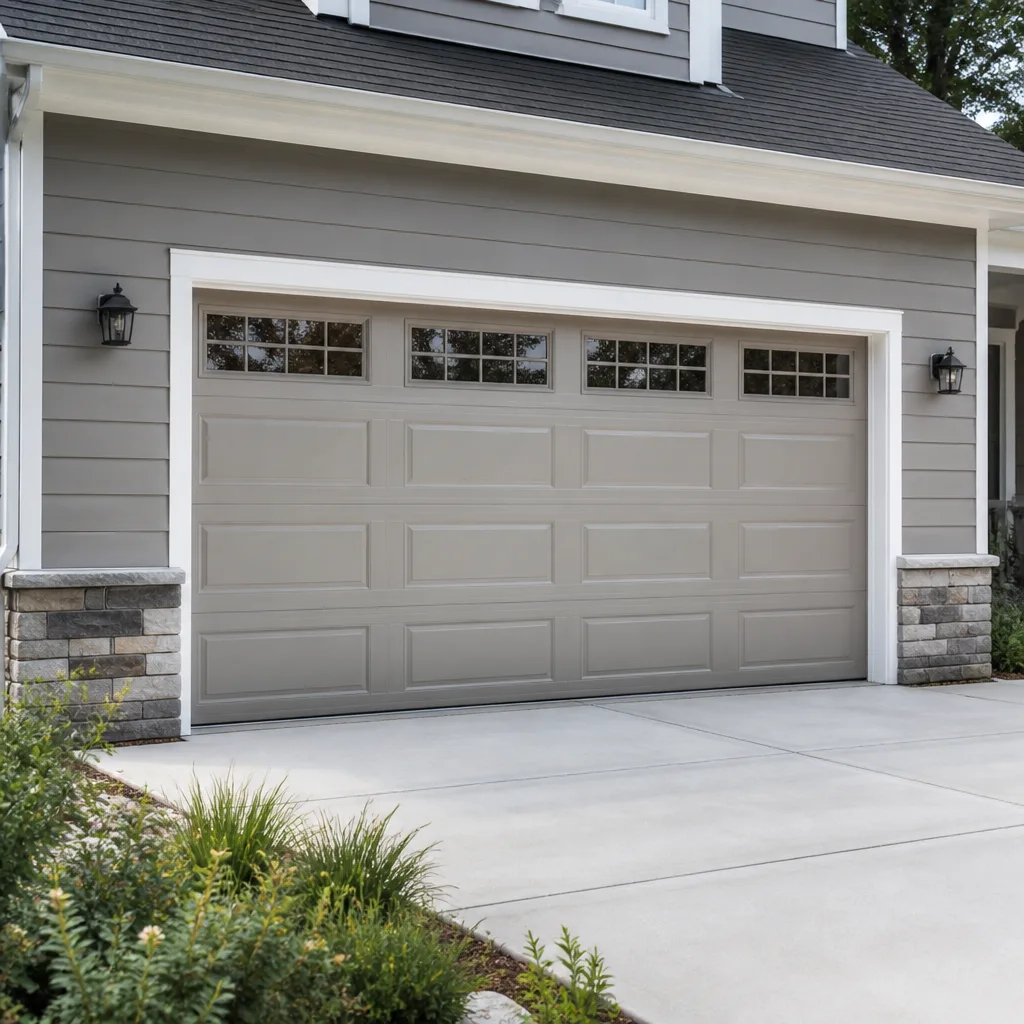 Raised-panel steel
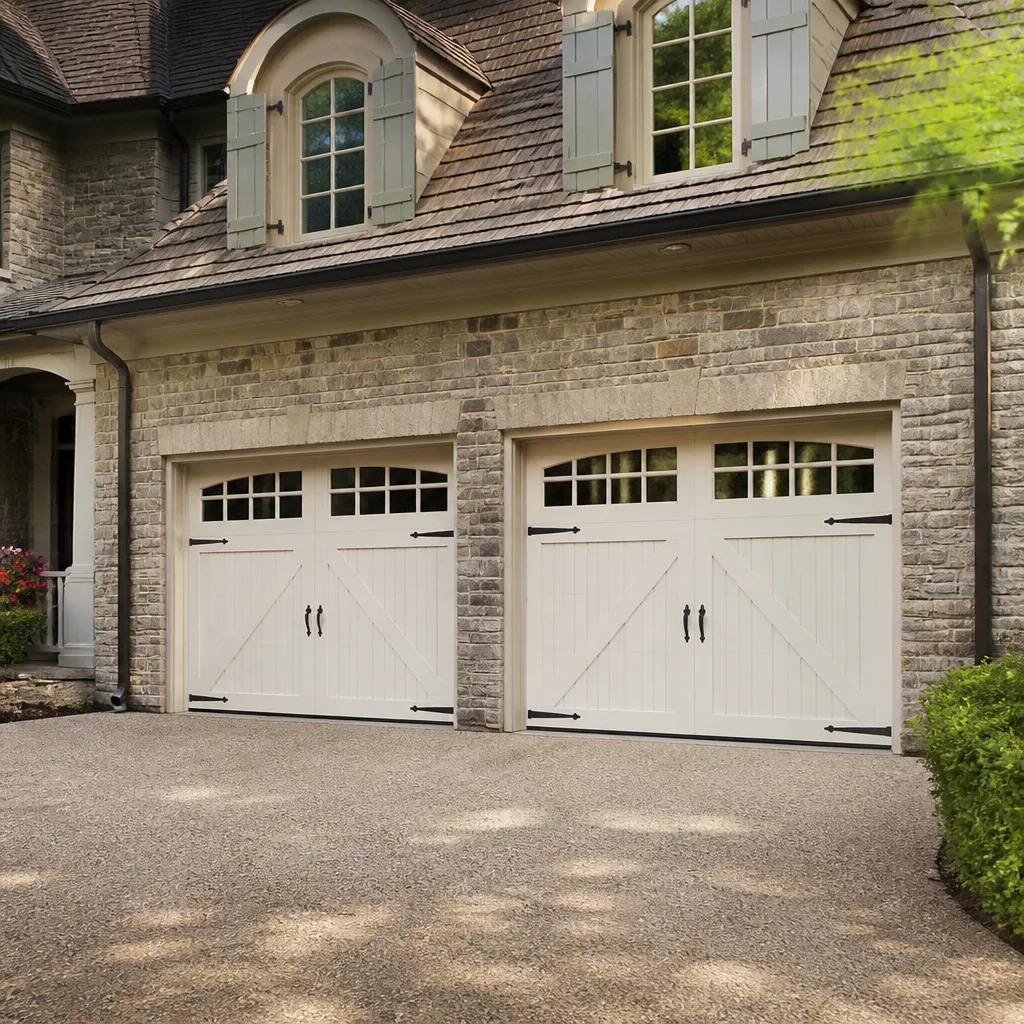 Carriage house
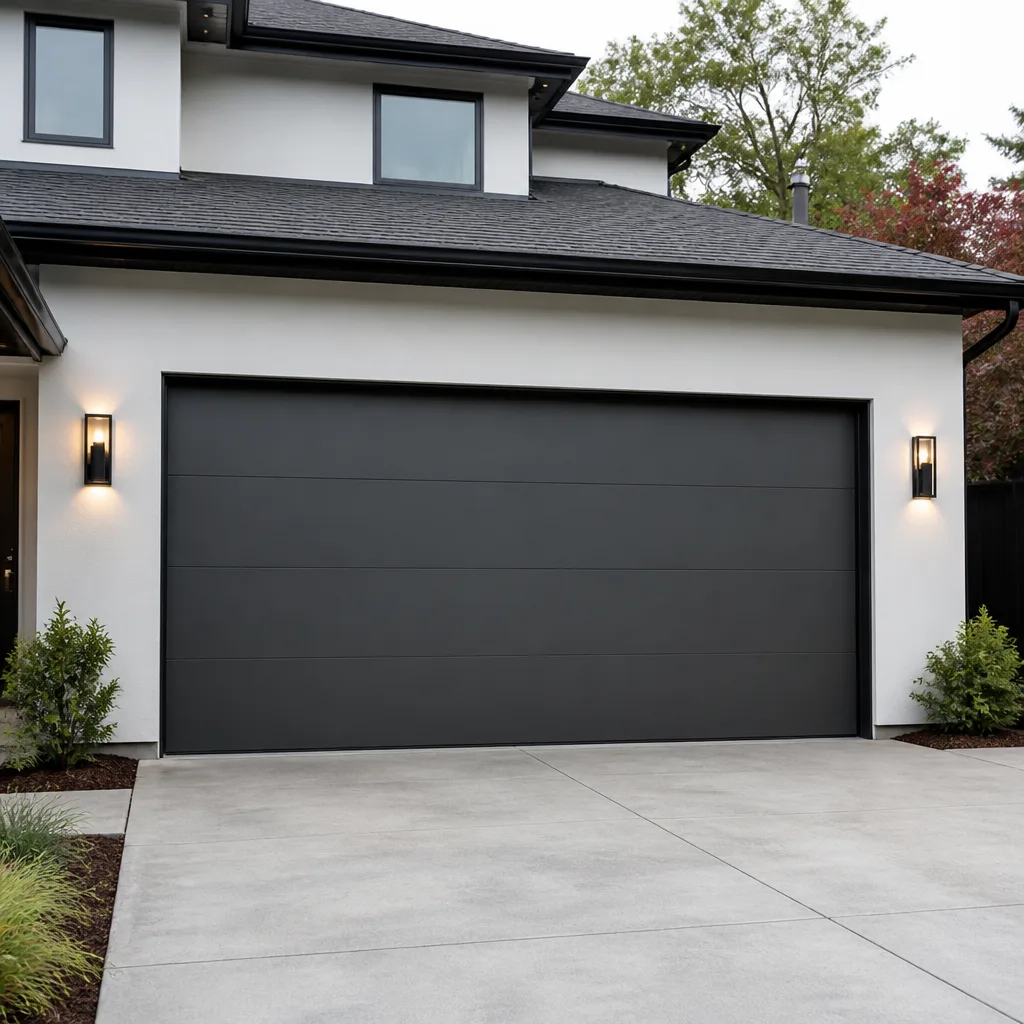 Modern flush
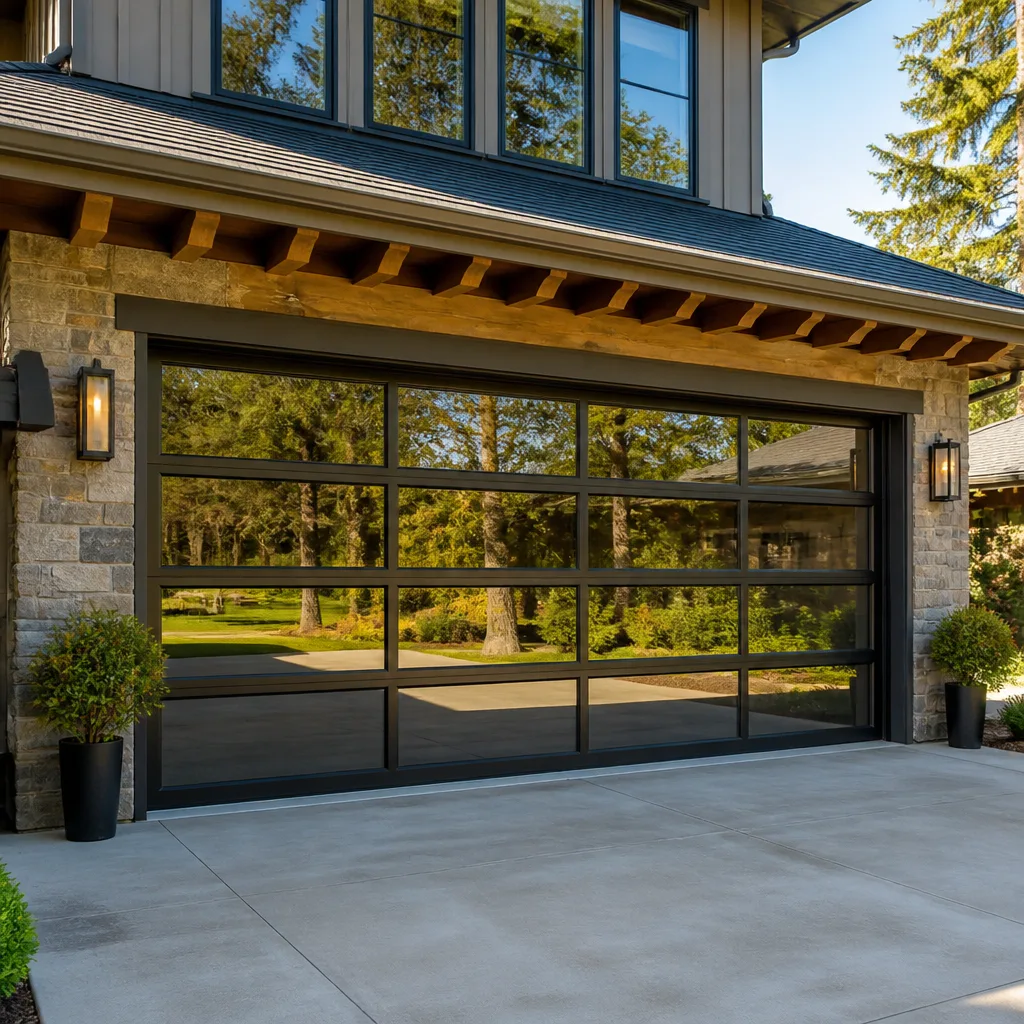 Full-view glass
 LiftMaster openers
 Chamberlain openers
Full 25-point door and opener safety check with every visit - springs, cables, rollers, tracks, and your LiftMaster or Chamberlain opener included
You get a price before we start. It does not change when the pro arrives.
Get your free estimateSeasonal Garage Door Care for Bowie: Year-Round Homeowner’s Guide
Most garage door advice treats the four seasons as four equal maintenance projects. In Bowie they aren’t. What actually wears out a door here is the switch between two opposing stress modes: a summer that pushes moisture into every seam and joint, and a winter that pulls it back out while the temperature drops hard enough to change the shape of metal and rubber. The door doesn’t get a gentle slope from hot to cold – it gets yanked back and forth, often in the same week. That whiplash is what cracks bottom seals and contracts tracks, not age alone. This guide organizes care around that reality, so you spend your effort where it counts and skip the calendar-based checklists that don’t fit Bowie.
Quick Answer
Garage door care in Bowie works best when you split the year into two stress modes rather than four equal seasons: moisture management in summer (seals, wood swelling, opener sensitivity) and cold-contraction management in winter (seal compression, track shrinkage, morning sticking). The two seasonal prep windows that matter most are a fall adjustment pass before the first freeze and a spring inspection once the freeze-thaw cycle ends. Everything else is routine observation.
Styles & brands we work with
- Raised-panel steel
- Carriage house
- Modern flush
- Full-view glass
- LiftMaster openers
- Chamberlain openers
Table of Contents
- Why Bowie’s Climate Is Hard on Garage Doors
- Summer: Humidity, Seals, and Opener Sensitivity
- Winter: Why Your Door Sticks in the Morning
- Fall Prep: Three Adjustments That Prevent Most Winter Calls
- Spring Recovery: What to Inspect After a Prince George’s County Winter
- Adjusting Travel Limits and Force Settings Seasonally
- Brand-Specific Seasonal Notes
- Common Mistakes to Avoid
- When to Call a Professional
Why Bowie’s Climate Is Hard on Garage Doors
Bowie sits in a climate band where the same door has to survive high summer humidity and repeated winter freeze-thaw cycles within a single year. Those two conditions pull at the door in opposite directions, which is why local doors tend to show a specific pattern of wear: cracked bottom seals, contracted tracks, and openers that need re-tuning as the seasons change.
The bigger issue is temperature swing. Bowie averages 14 days per year where temperatures move more than 30°F in a single 24-hour period. That’s thermal whiplash, and it’s the single biggest driver of the bottom seal cracking and track contraction problems that homeowners around here chalk up to “the door just got old.” It isn’t age. It’s the door expanding in the afternoon and contracting by morning, again and again, all year.
What thermal whiplash actually does to door components
- Bottom seals harden and split faster because the rubber flexes in warm air and goes stiff in cold, over and over.
- Metal tracks contract in cold and expand in heat, which can loosen fasteners and shift roller alignment.
- Wood panels absorb summer moisture, swell, then shrink in winter, opening gaps at joints and stressing paint.
- Opener force settings that worked in July can trip the safety reverse in January because the door runs heavier in cold.
- Springs cycle through more tension and relaxation than in a climate with a stable temperature range, so they wear from cycling as well as age.
None of this means your door needs to be replaced. It means the maintenance calendar for a Bowie door should match the swing, not a generic checklist copied from a national site. That’s the frame for the rest of this guide. And because we work on doors here daily, we’ve watched the same pattern play out in neighborhoods like Pointer Ridge, Lake Arbor, and Fairwood – the door ages with the climate, not the calendar.
Summer: Humidity, Seals, and Opener Sensitivity
Summer in Bowie is the moisture season, and a garage door is one of the most exposed wood and metal assemblies on a house. High humidity drives moisture into panel joints, under paint, and into the seals, which is why summer is when wood door swelling, paint failure, and opener misfires show up. The goal in summer is not to stop the humidity; it’s to manage the components that react to it.
Wood doors: swelling and paint adhesion
If you have a wood door – common in older Bowie neighborhoods – watch the panel joints in late summer. Swelling shows up as a door that no longer sits flush, gaps that open and close with the weather, and paint that bubbles or peels at the seams. Once moisture gets under a paint film at a joint, the paint loses adhesion and the wood starts absorbing more. Repainting is a fall job, not a summer one, but the inspection should happen in summer while you can still see which joints are taking on water. A well-sealed wood door handles Bowie’s humidity far better than a freshly painted one that trapped moisture underneath.
Opener sensitivity in humid weather
Humidity changes how freely a door moves on its rollers and hinges. A door that glided in dry spring air can start running heavier in July, which trips the opener’s safety reverse or force limit. That’s not a failing opener – it’s a door telling you the hardware needs lubrication and the opener force setting needs a seasonal look. LiftMaster and Chamberlain systems (both common in Bowie homes) let you check and adjust force and travel limits at the control panel; older Genie and Craftsman units use dials or limit screws on the opener housing itself. Either way, this is a small tune-up, not a repair bill.
Summer summer checklist
- Lubricate hinges, rollers, and springs with a proper garage door lubricant – not WD-40, which is a solvent, not a lubricant.
- Inspect the bottom seal for cracking or separation; humidity plus heat accelerates seal breakdown.
- Test the safety reverse by placing a block of wood under the door and confirming it reverses on contact.
- Check wood panel joints for swelling and paint lifting; note problem areas for fall repainting.
- Confirm your opener’s force and travel limits still match how the door actually runs.
Winter: Why Your Door Sticks in the Morning
When a garage door in Bowie sticks in the morning, the cause is usually not ice. It’s seal compression in sub-20°F temperatures. The bottom seal goes stiff in the cold valve the weather and presses against the floor harder than it did in the fall, and the door has to overcome that resistance to open. Homeowners often assume the door is frozen to the ground, but a stiff, compressed seal is the more common culprit in this climate.
The two-minute fix for a morning stick
- Before retrying, look under the door for actual ice or a seal that’s visibly warped – don’t force the opener.
- If there’s no ice, the door is likely fighting a stiff seal. Gently lift the bottom edge by hand (with the door disconnected from the opener) to confirm the seal is the resistance point.
- Wipe the seal dry and apply a thin coat of silicone-based lubricant along the bottom edge, then run the door through one full open and close cycle.
- If the door still sticks, check the opener force setting rather than increasing pressure blindly.
That fix buys you time, but a bottom seal that’s hard and compressed in Bowie cold won’t recover. If the same door sticks every cold morning, the seal is telling you it’s past its service life. Replacing a bottom seal is one of the smaller jobs in garage door work and one of the most effective against a repeat morning problem.
Track contraction and cold weather
Metal tracks contract in cold weather, which can shift roller alignment and make a door run loud or uneven. If you hear grinding, scraping, or the door running rough only in the cold months, that’s usually track contraction against rollers that need adjustment. Don’t ignore it; a misaligned roller stresses the opener and the panels, and it accelerates wear. Our garage door repair technicians correct track and roller alignment as part of normal service.
Fall Prep: Three Adjustments That Prevent Most Winter Calls
Fall is the highest-value window on the Bowie garage door calendar. Get these three adjustments right before the first real freeze and you head off the majority of winter service calls in the area – morning sticking, opener force trips, and seal compression complaints.
1. Replace or reseat the bottom seal
If the bottom seal is cracked, hard, or sitting unevenly on the floor, replace it in the fall. Cold makes an already-stiff seal stiffer, and it’s the reason so many doors stick in January. A new seal compresses properly and takes the cold-weather resistance off your opener. Reseat any seal that’s pulling loose at the edges before the door has to fight it all winter.
2. Rebalance force and travel settings for cold running
Your door runs heavier in cold weather. Adjust the opener’s force setting for that reality in the fall, not after the first morning it fails to open. That means checking travel limits and force on the control panel, testing the safety reverse again in cold conditions, and making sure the limits are exact – too far and the door over-drives the floor, too short and it reverses early. Seasonal recalibration is the single most effective adjustment against winter opener calls.
3. Tighten hardware and inspect spring condition
Cold contraction loosens fasteners. Check the bolts at the hinges, the track brackets, and the roller carriers, tightening anything that’s worked loose. Then look at the springs: if a torsion or extension spring is showing wear, fall is the time to have it checked – not the morning it finally lets go. Spring condition matters more in winter because cold makes metal more brittle and a tired spring carries more of the load as the door runs heavier.
A spring failure is the one winter failure you can’t fix with a screwdriver. High-tension torsion and extension springs store enough energy to cause serious injury, and the winding bars and technique used to service them take training. If the door is heavy, struggling to lift, or you see a broken spring, leave it alone and call on our garage door spring repair technicians.
Spring Recovery: What to Inspect After a Prince George’s County Winter
Spring is the recovery window. A door that survives a Prince George’s County winter has been through cycles of contraction, freeze-thaw, and heavy cold operation. Before summer heat expansion stresses it again, walk through the components that take the most winter wear and catch problems while they’re small.
The post-winter inspection
- Inspect the bottom seal for compression set, cracks, and separation – winter is when seals fail.
- Check the tracks for alignment after winter contraction; listen for scraping or rough running.
- Test every hinge and roller by hand for play or stiffness.
- Look at the panels for new dents or cracks, and at the wood joints for gaps that opened in cold.
- Run the safety reverse test again; cold conditions may have shifted force settings.
- Examine the springs for any obvious separations or rust that indicates their next failure point.
Spring is also when openers that misfired all winter need a fresh look. A door that kept tripping its safety reverse in February often needs nothing more than lubricant, a seal, and a force recalibration once the weather eases. If your opener is genuinely failing – not just out of adjustment – our garage door opener repair services cover LiftMaster, Chamberlain, Genie, and the older legacy systems still running in Bowie homes.
What to leave for a professional
Spring inspection is fine to do yourself. Spring replacement is not. Anything that involves a winding bar, tensioning a torsion tube, or working with the high-tension spring assembly belongs with a trained technician – not because the job is complicated to explain, but because the stored energy in a spring can fail without warning and cause serious injury. A real expert will always flag the danger of spring work and handle it with the right tools and technique.
Adjusting Travel Limits and Force Settings Seasonally
Seasonal opener tuning is the task people skip because it sounds technical. It’s actually the most useful thing you can do to prevent winter opener calls in Bowie, and it’s a small piece of maintenance if you understand what each setting does.
What these settings mean
- Travel limits control where the door stops in the open and closed positions. If the close limit over-drives, the door keeps pressing after it hits the floor; if it under-drives, the door reverses early.
- Force settings control how hard the opener pushes before it gives up and reverses. Too low and a door running heavier in cold trips the safety reverse; too high and the opener can push through resistance it should have backed off from.
How to adjust without causing problems
- Change one setting at a time and test after every adjustment – never tune both at once.
- On LiftMaster or Chamberlain openers, use the travel-limit adjustment on the motor head and the force adjustment alongside it, testing the safety reverse after each change.
- On Genie and legacy Craftsman units, use the limit screws and force dials on the opener housing, again testing safety reverse after each adjustment.
- Set travel limits so the door closes fully and seats exactly on the floor without over-driving.
- Keep the force setting at the point where the door runs reliably and still reverses on the safety test – not higher to “fix” a binding door.
What the warranty covers – and what voids it
Adjusting travel limits and force settings is normal maintenance and is generally allowed under opener warranties, provided you stay within the manufacturer’s specified ranges. What voids coverage is opening the unit for repairs the manufacturer doesn’t sanction, cutting into wiring, or bypassing the safety reverse system entirely. If your opener needs a repair beyond tuning, that’s the point to call a technician rather than open the housing – see our garage door opener repair page for what’s covered. When in doubt, a seasonal tune-up is the safe path: it costs less than a force-induced failure.
Brand-Specific Seasonal Notes
Seasonal issues are climate issues – but the specific brand of your door and opener changes how you check and adjust them. We work on the eight leading residential brands, so here’s what we’d tell you to watch for on a few of the most common ones in Bowie homes.
Clopay and Amarr doors
Clopay and Amarr steel doors are common in Bowie neighborhoods like Lake Arbor and Fairwood because of their low-maintenance finishes. The seasonal note: watch the bottom seal and the panel seams in both summer and winter. Steel panels expand and contract with the thermal swing, and the seal and seams are where that movement shows up first. Check after summer humidity and again in late fall.
Wayne Dalton doors
Wayne Dalton doors show up across Bowie and deserve a specific note: their seal and track hardware need a look each fall and spring, particularly after a hard winter. Their models vary by construction, so the seasonal inspection is best done with the actual model in mind – which is another reason to note your door’s model number somewhere you can find it.
Genie and LiftMaster openers
Genie systems are reliable but older units need their force and travel limits checked seasonally, and legacy models use dials that are easy to miss. LiftMaster and Chamberlain openers run the same seasonal checks with panel-based adjustments and, if they’re app-connected, remote diagnostics through the myQ ecosystem. That’s useful in winter, because you can check the door’s status and see whether a misfire was environmental or a real fault before calling anyone.
Whatever brand you have, our technicians are factory-familiar with it – we diagnose the brand you already own rather than pushing a replacement. If you’d like a seasonal check that’s specific to your door and opener model, start with Bowie Garage Door Repair Pros and we’ll take it from there.
Common Mistakes to Avoid
- Assuming a winter morning stick is ice. In Bowie it’s usually seal compression, and forcing the opener against a stiff seal stresses both the seal and the door. Check the seal before you lean on the opener.
- Increasing opener force to “fix” a binding door. If the door is binding, the force setting isn’t the problem – the seal, track, or hardware is. Raising force just masks it until something fails.
- Using WD-40 as a lubricant. It’s a solvent, and it removes the lubricant your hinges and rollers need. Use a proper garage door lubricant, in summer and again in winter.
- Skipping the fall adjustment pass. Fall is the highest-value maintenance window in Bowie. A new seal, a force recalibration, and a hardware tighten in fall prevent most winter calls.
- Ignoring track contraction. A door that runs rough only in cold weather is telling you the tracks have contracted against the rollers. Adjust it in fall rather than waiting for summer expansion to make it worse.
- Adjusting travel limits and force at the same time. When both change at once, you can’t tell which adjustment caused the problem. Change one, test, then the next.
- Trying spring work yourself. A high-tension spring stores enough energy to injure you badly if it releases unexpectedly. Winding a spring is not a homeowner task – call our garage door spring repair team.
When to Call a Professional
Some seasonal care is yours to handle: lubricating hinges, checking the bottom seal, testing the safety reverse, and cleaning panel joints. Other jobs need a technician, and knowing the difference saves you money and risk.
Call a professional when the door sticks or reverses every cold morning despite a fresh seal and a force check; when the opener misfires seasonally after a tune-up; when a spring is broken, sagging, or making noise; when tracks are misaligned or the door runs rough; when travel limits won’t stay set; or when a door has been through a hard freeze-thaw winter and needs a full inspection. Emergency situations – a door stuck open or an opener that fails and leaves you locked out – are also covered: emergency garage door response is a core offering, not an add-on. Our technicians have up to 9 years of experience, and we handle repair first and replace only when it makes sense.
Bowie Garage Door Repair Pros offers free estimates in Bowie – call (833) 754-7945 to schedule a seasonal inspection or get a written price on a repair.
See the difference
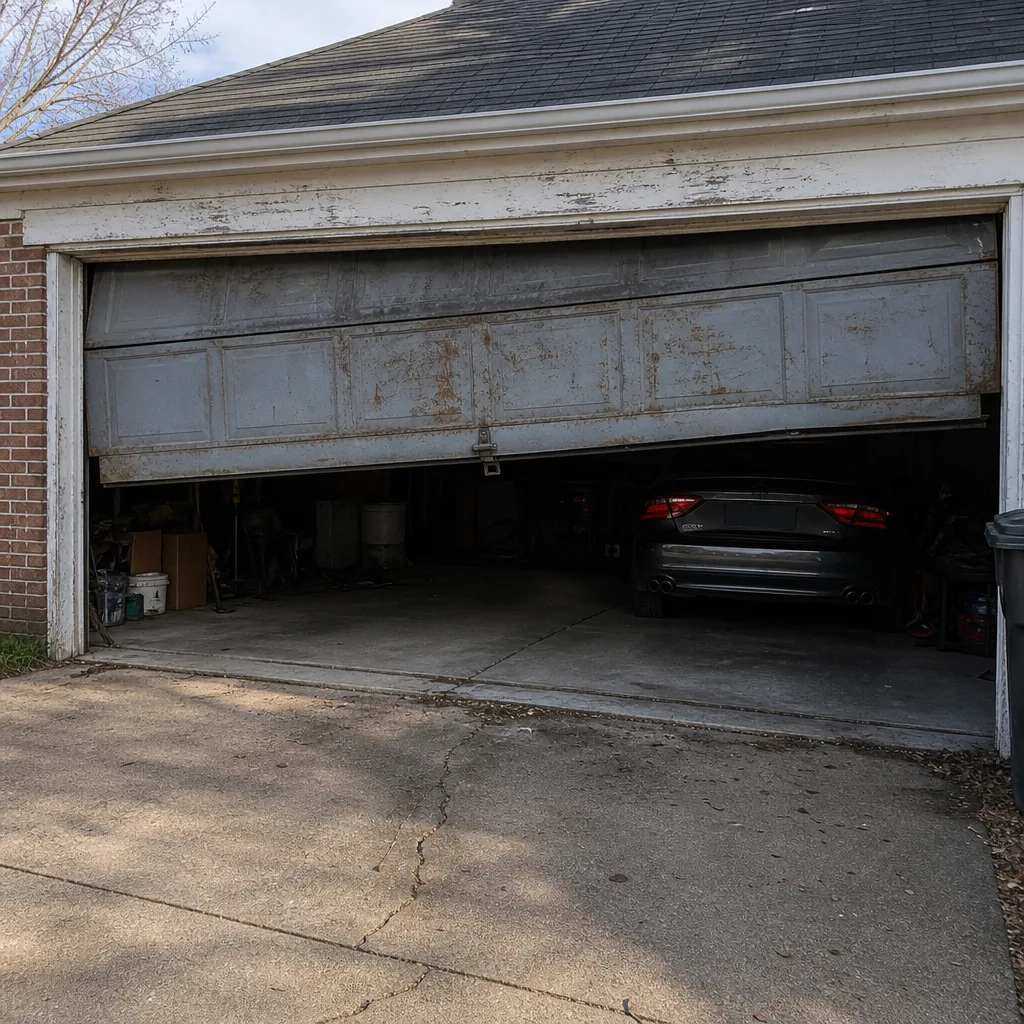 Before
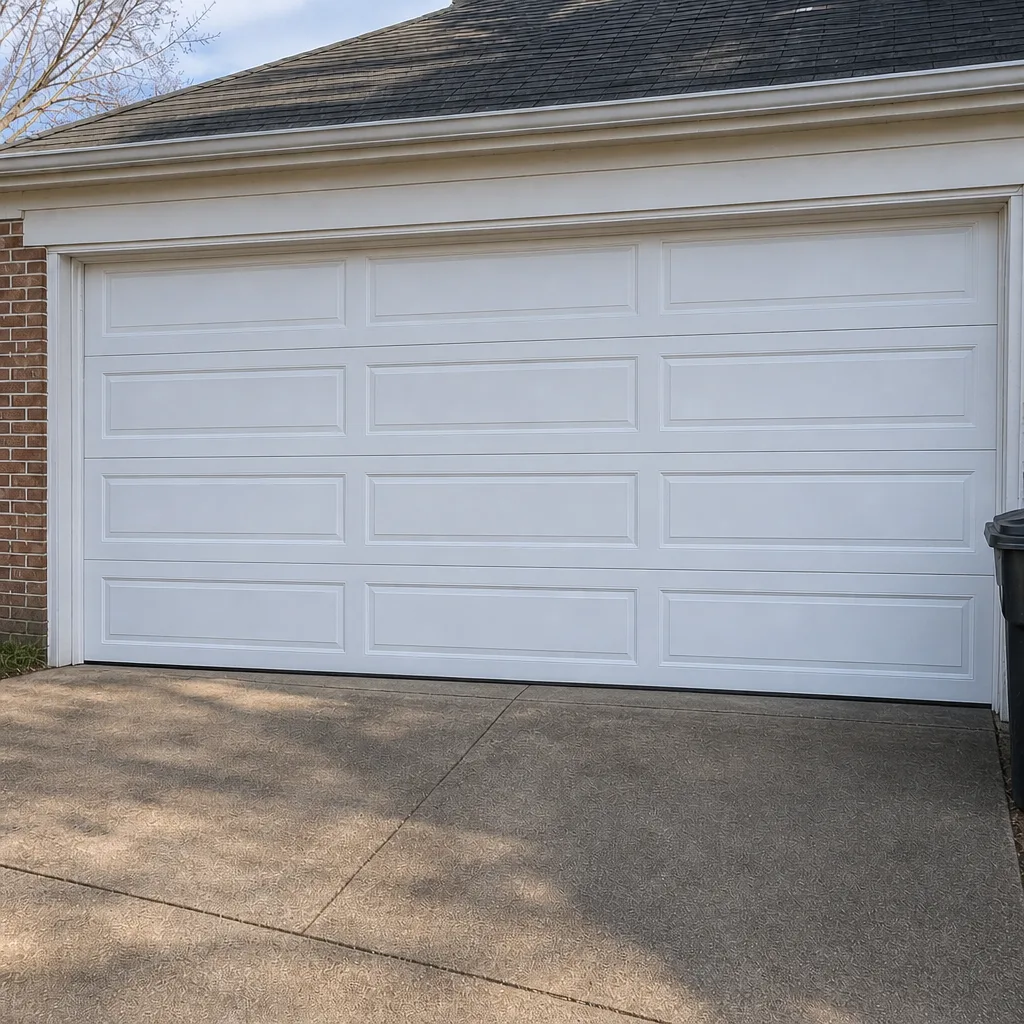 After
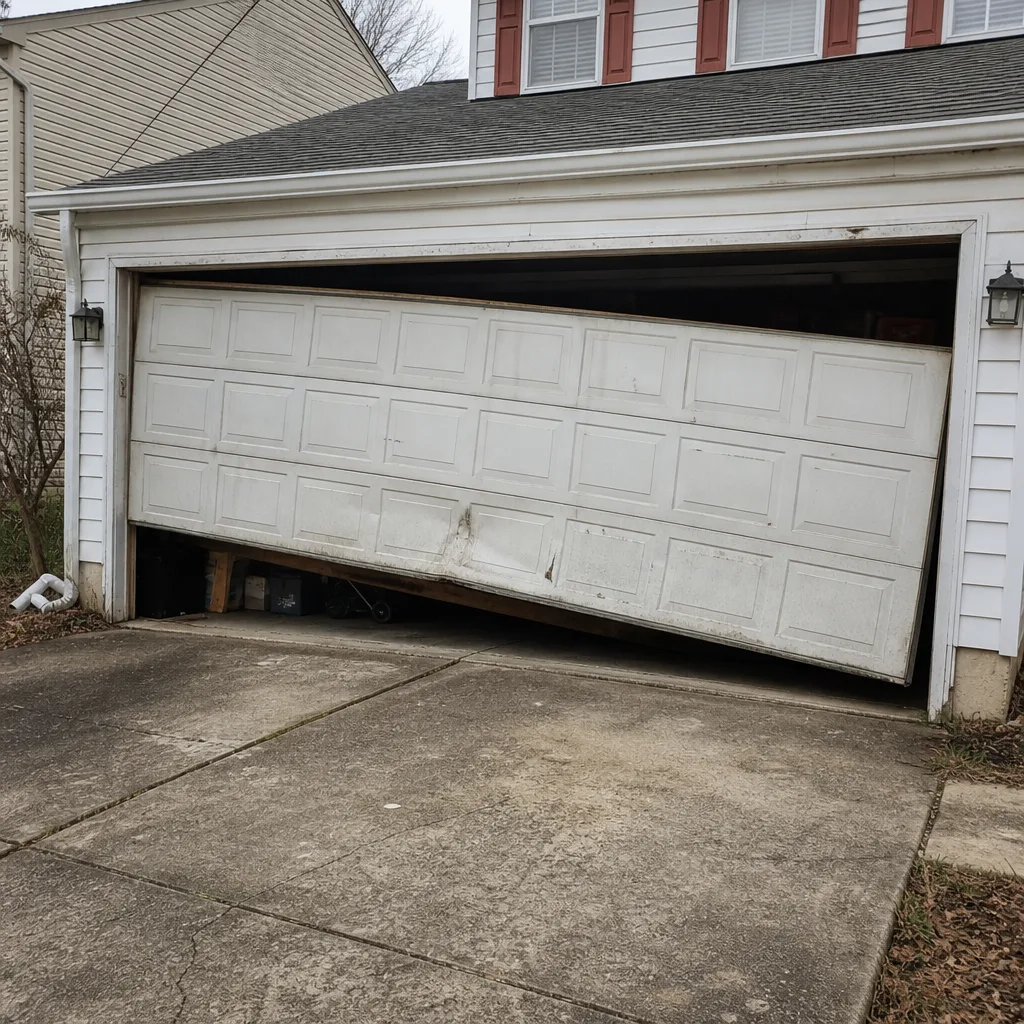 Before
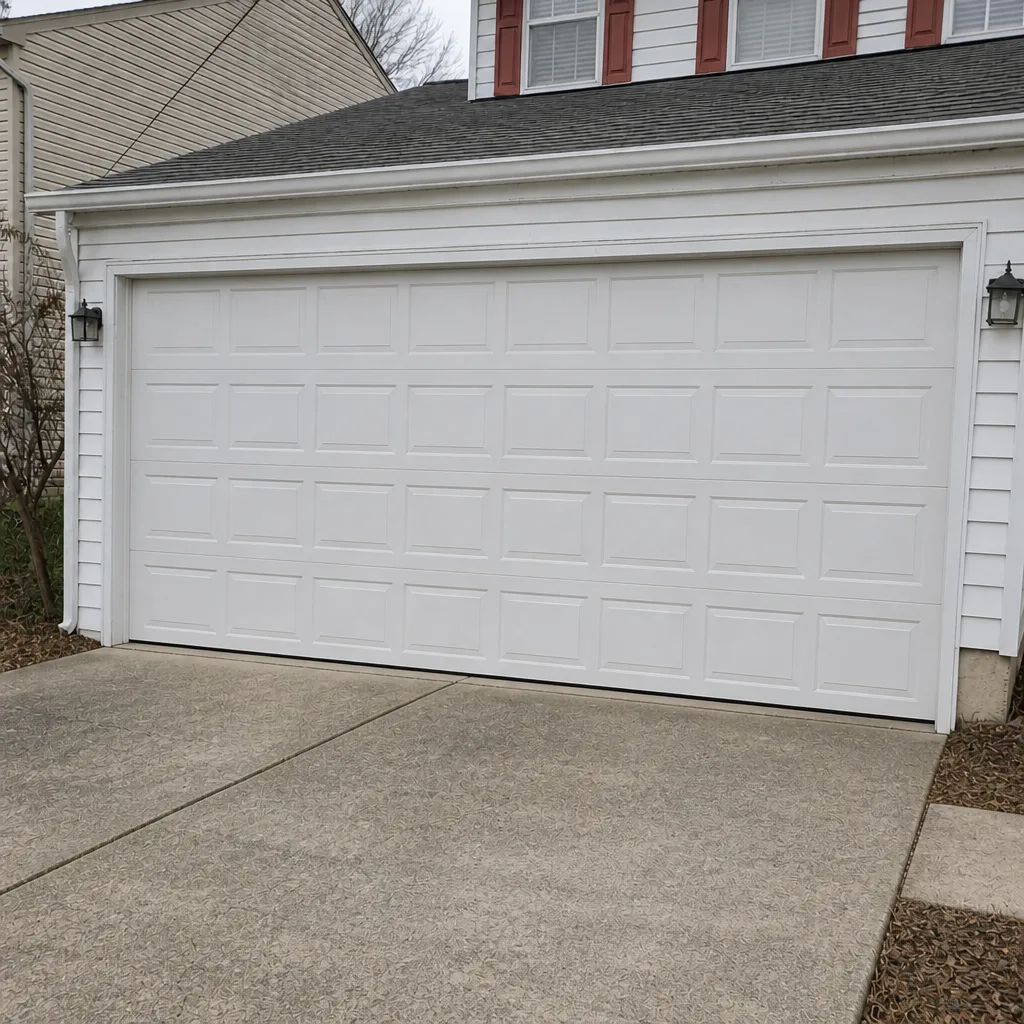 After
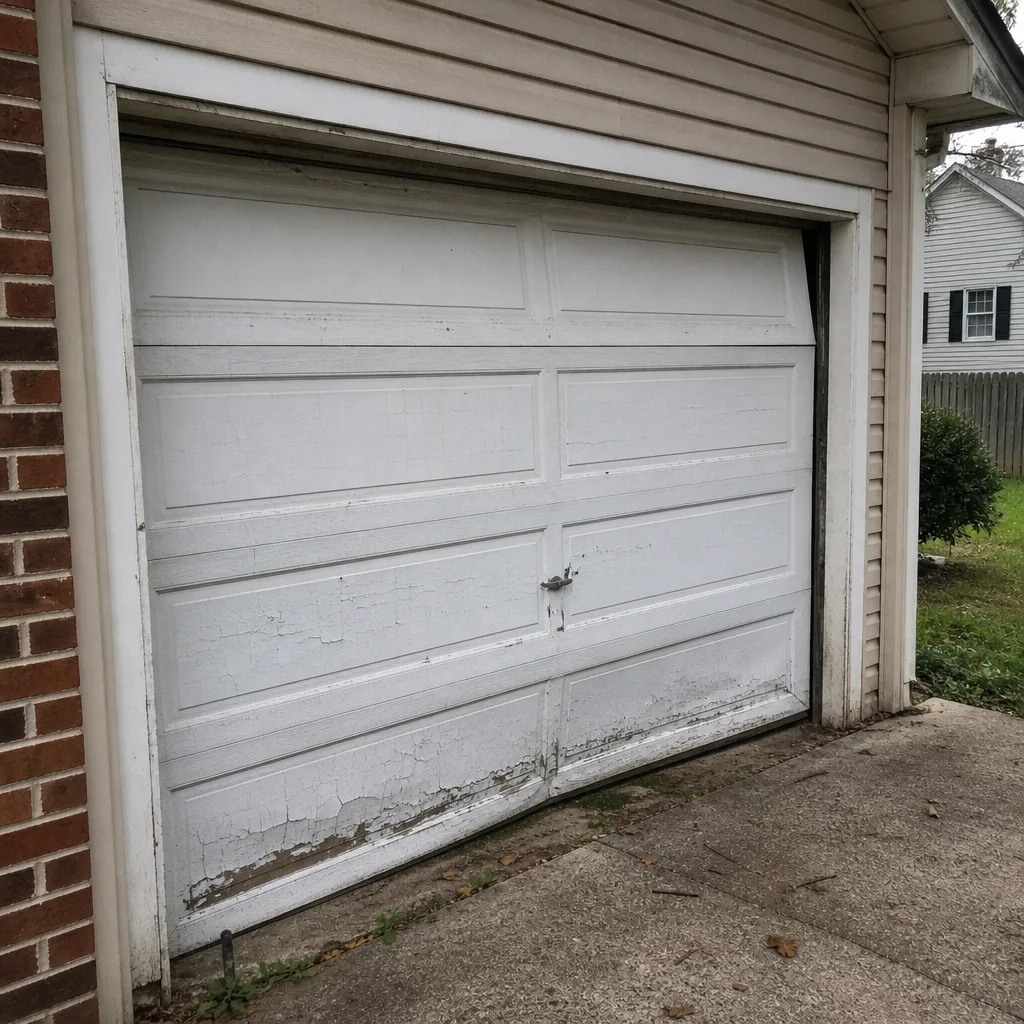 Before
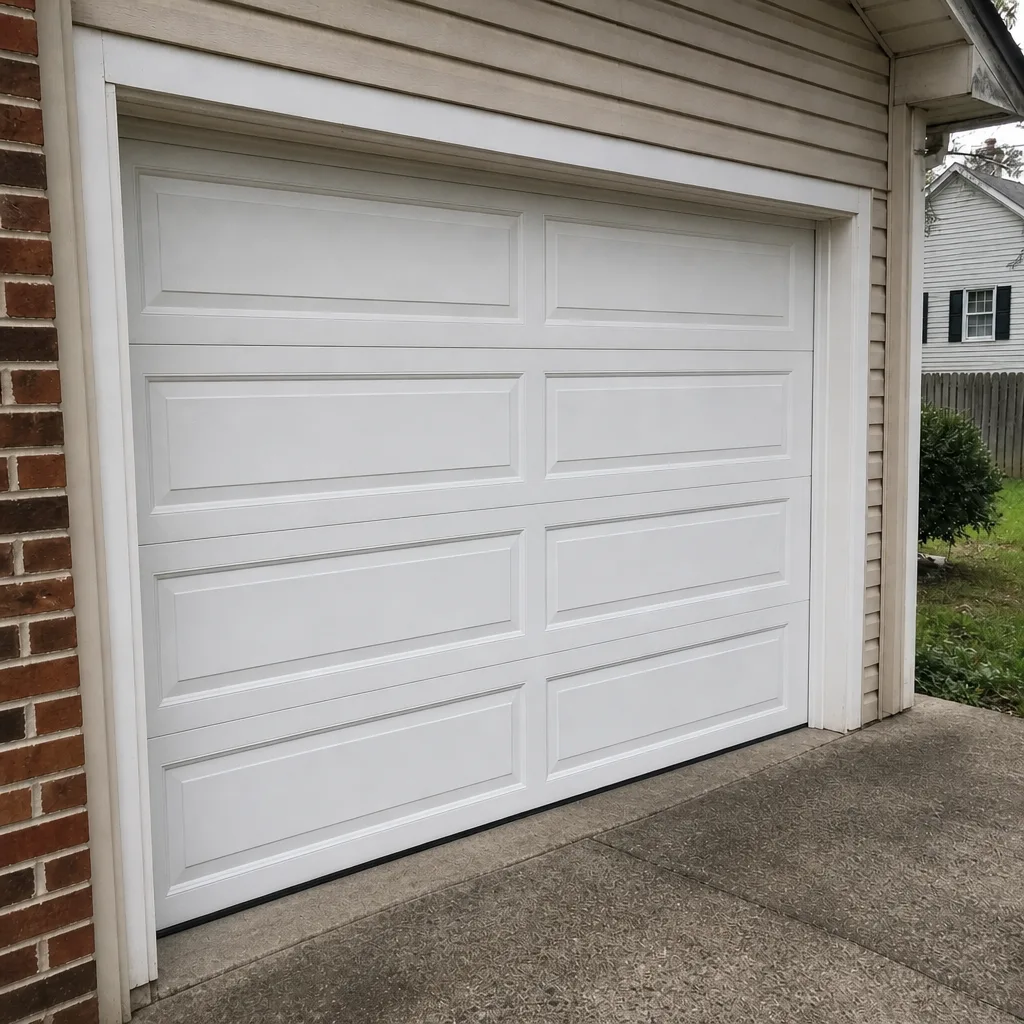 After
Frequently Asked Questions
A garage door in Bowie should get a full inspection twice a year – a fall adjustment pass before the first freeze and a spring recovery check after the freeze-thaw cycle. Those two checkpoints match the climate’s two stress modes better than a calendar-based four-season schedule. Lubrication and a quick visual check can happen monthly in between.
It’s usually seal compression in sub-20°F temperatures, not ice. The bottom seal goes stiff in the cold and presses against the floor harder than it did in fall, so the door has to overcome more resistance to open. Wipe the seal dry and apply a thin coat of silicone lubricant as a short-term fix; if it sticks every cold morning, the seal is past its service life and needs replacing.
Yes, generally. Seasonal force and travel-limit adjustment is normal maintenance and stays within most opener warranties when done within the manufacturer’s specified ranges. On LiftMaster and Chamberlain units you adjust at the motor head and test the safety reverse after each change; Genie and legacy Craftsman units use limit screws and dials. Leave any repair that requires opening the housing to a technician, since that can affect coverage.
Start with the bottom seal (winter is when seals fail), then check tracks for contraction-related misalignment, every hinge and roller, panel condition, and the safety reverse. Spring condition matters too, but inspection only – never try to service a spring yourself. If anything looks borderline, call (833) 754-7945 for a free estimate.
Yes. A door that runs freely in summer can run heavier in cold weather, which trips the safety reverse even though nothing is broken. Seasonal recalibration of the force setting and a fresh test of the safety reverse are the fix. If the door keeps tripping after a tune-up, the opener may need repair – see our opener page, or call (833) 754-7945.
A bottom seal replacement is one of the smaller tasks in garage door work and many homeowners handle it. It doesn’t involve the high-tension springs, which are the genuinely dangerous component. If the door isn’t moving smoothly after a seal replacement, the issue is likely track or roller alignment and worth a professional look – call (833) 754-7945 for a free estimate.
The Bottom Line
Bowie’s climate doesn’t give a garage door four equal seasons – it gives it two opposing stress modes and a lot of thermal whiplash in between. Summer is about moisture: seals, wood swelling, paint adhesion, and opener sensitivity. Winter is about cold contraction: stiff bottom seals, contracted tracks, and openers that need recalibrating for a door that runs heavier. Fall is the highest-value maintenance window, with a new seal, a force recalibration, and a hardware tighten; spring is the recovery check before summer heat expansion starts the cycle again. Do the small adjustments seasonally and you’ll prevent most of the calls that feel like age but aren’t. When a spring, track, or opener needs real repair, call Bowie Garage Door Repair Pros at (833) 754-7945 for a free estimate – we’ll quote and agree on the price before any work starts.
Written by the team at Bowie Garage Door Repair Pros.