Last updated November 21, 2026
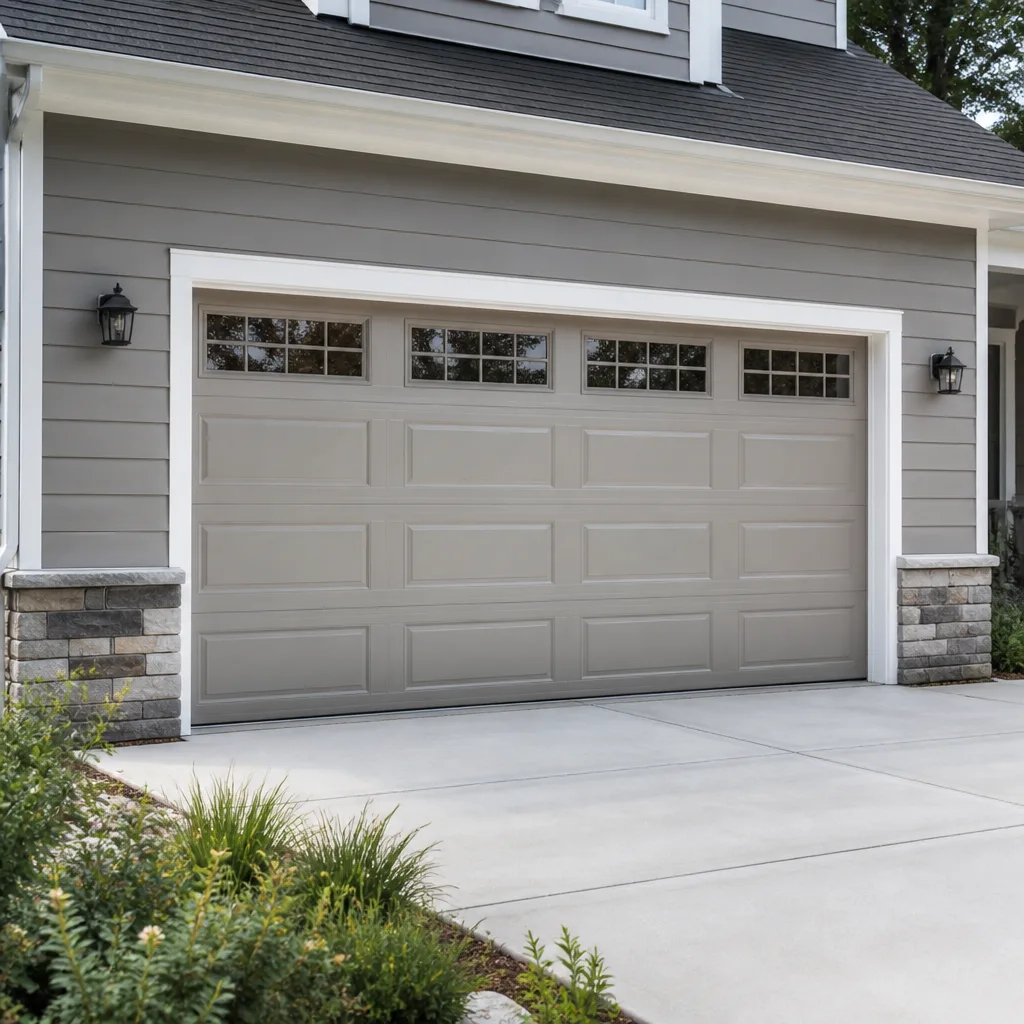 Raised-panel steel
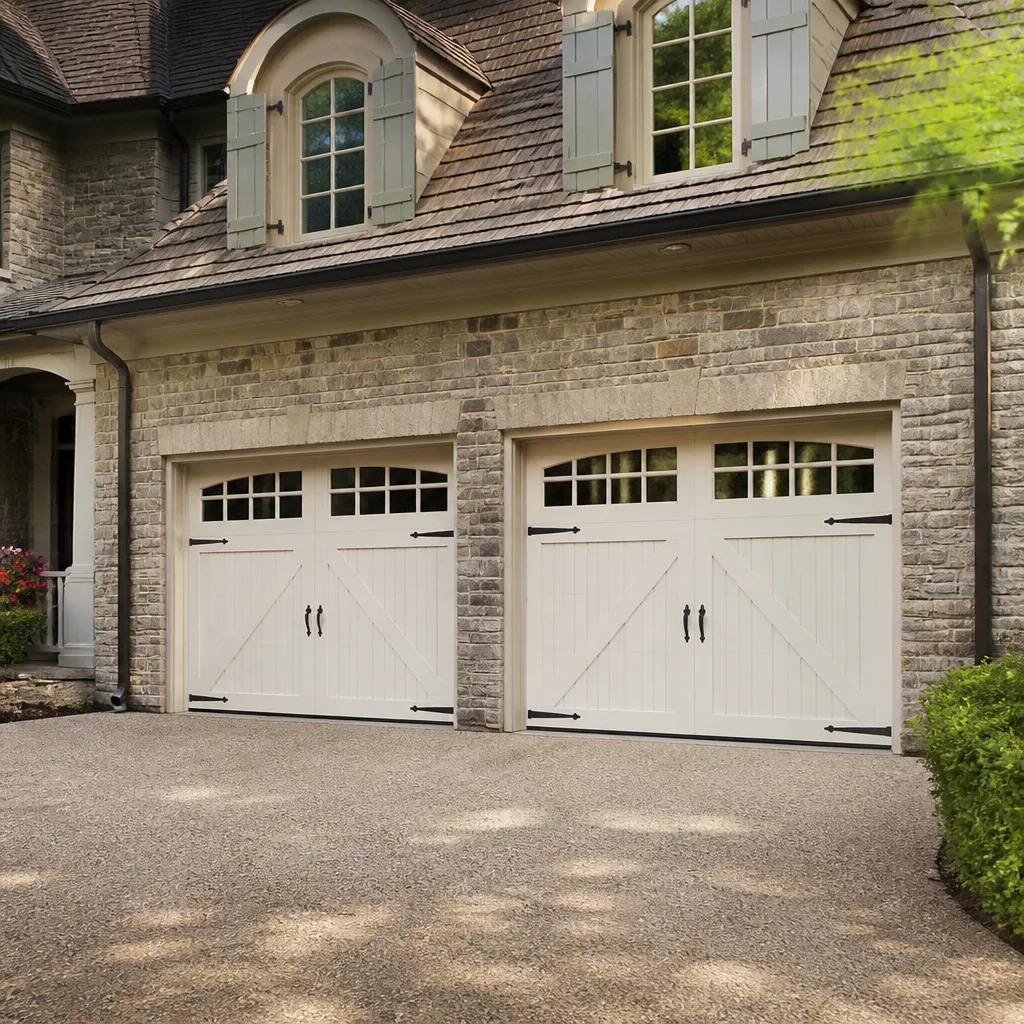 Carriage house
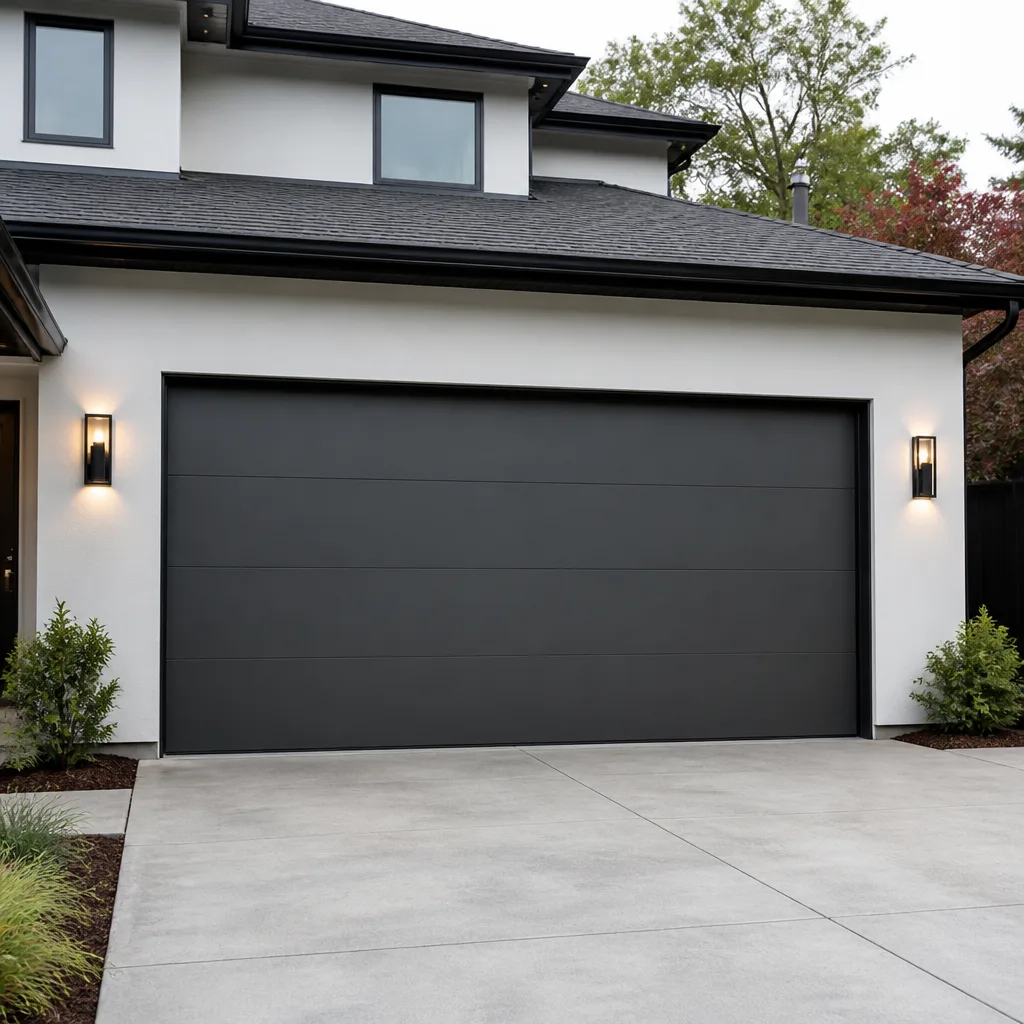 Modern flush
 Full-view glass
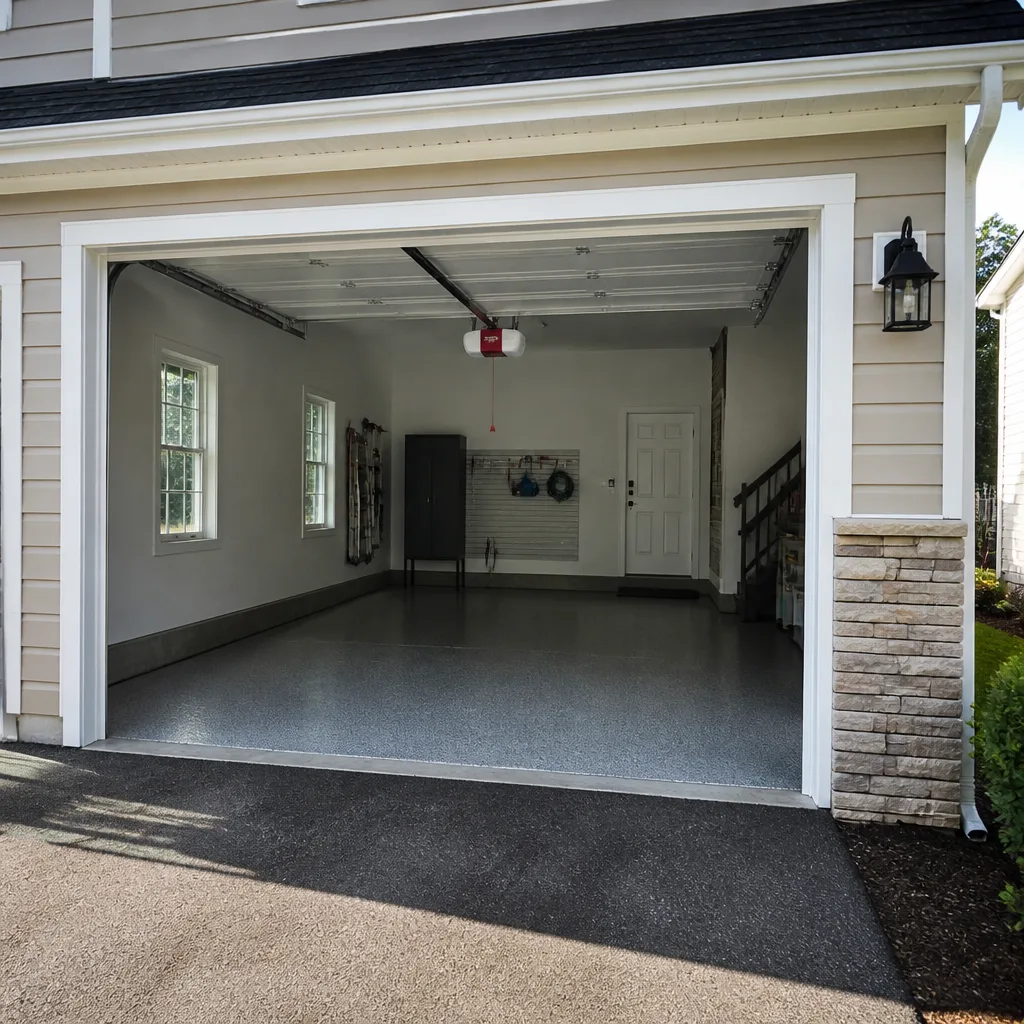 LiftMaster openers
 Chamberlain openers
Full 25-point door and opener safety check with every visit - springs, cables, rollers, tracks, and your LiftMaster or Chamberlain opener included
You get a price before we start. It does not change when the pro arrives.
Get your free estimateGarage Door Warning Signs: A Bowie Homeowner’s Reference Guide
A garage door that hesitates for half a second before moving isn’t “just old” – it’s a motor working against mechanical resistance that’s usually one failed component away from a complete stop. Most garage door failures in Bowie give two to eight weeks of warning before the door quits entirely, and almost nobody reads those signals correctly. A grinding noise gets written off as age. A slow start gets ignored until the morning it doesn’t start at all. This guide teaches you to read the warnings while they’re still cheap to fix, so you’re scheduling a repair instead of facing a door stuck shut at 7 a.m.
Quick Answer
The main garage door warning signs are unusual noises (grinding, squealing, popping, rattling), a door that moves slowly or hesitates, visible cable fraying, bent or misaligned tracks, gaps in the torsion spring, and a door that fails its monthly safety reversal test. Any sign involving a broken spring or a snapped cable means stop using the door today. Noise, slow movement, and track misalignment usually mean schedule a repair within two weeks.
Styles & brands we work with
- Raised-panel steel
- Carriage house
- Modern flush
- Full-view glass
- LiftMaster openers
- Chamberlain openers
Table of Contents
- Why garage doors fail slowly before they fail completely
- What the four main door sounds tell you
- How to inspect your door from the inside without touching anything
- When a slow start means opener strain vs. spring tension loss
- The monthly safety reversal test every Bowie homeowner should run
- Which warning signs mean “schedule within two weeks” vs. “stop today”
- How Bowie’s climate and housing stock stress your door
- Common mistakes to avoid
Why garage doors fail slowly before they fail completely
Garage doors almost never fail without warning. The components that make a door move – springs, cables, rollers, hinges, and the opener itself – wear gradually, and each stage of wear produces a signal you can detect with your eyes and ears. A torsion spring doesn’t snap out of nowhere; it loses tension over hundreds of cycles, and that gradual loss shows up as a door that suddenly feels heavier or slower. A cable doesn’t fray in an instant; it develops broken strands you can spot before it lets go.
That’s the good news in a trade full of bad news. If you know what to look and listen for, you get weeks of lead time on most repairs. The problem is that most homeowners only pay attention to the door when it stops working, by which point the cheap fix has become an urgent one. We see this constantly in Bowie: a door that’s been grinding for a month suddenly won’t open, and what could have been a straightforward roller and hinge job has now strained the opener motor too.
Understanding this wear curve changes how you think about your door. It’s not a black box that either works or doesn’t. It’s a mechanical system with a slow, readable decline, and the homeowner who reads it spends less money over time. That’s the entire premise of this guide.
What the four main door sounds tell you
Sound is the cheapest diagnostic tool you own, and the type of noise narrows down the failing component faster than anything else. Most people describe every bad noise as “grinding,” but grinding, squealing, popping, and rattling each point to a different part of the system.
- Grinding – a rough, continuous scraping sound usually points to metal-on-metal contact: worn rollers that no longer roll, dry hinges, or a torsion shaft that needs lubrication. If the grind is loud and comes from the opener unit itself, you’re likely hearing gear wear inside the motor.
- Squealing – a high-pitched shriek typically means friction between the rollers and the track, or dry moving metal parts. It’s often the earliest and cheapest warning sign to fix.
- Popping – a sharp pop or bang when the door starts moving is more serious. It can signal a loose torsion spring, a cable slipping its drum, or a hinge pulling from the panel. Popping deserves prompt attention, especially if it coincides with the door becoming harder to lift by hand.
- Rattling – a loose rattle often comes from hardware that’s worked itself loose: bolts, brackets, or the track itself vibrating against its mounts. It’s usually minor, but a loose track that keeps rattling can shift out of alignment and cause bigger problems.
The location matters as much as the sound. Noise from one side of the door suggests a localized problem like a bad roller or a bent track on that side. Noise from the center usually points to the torsion system overhead. And noise from the opener housing points to the motor or gear assembly. Pay attention to where the sound comes from, not just what it sounds like.
How to inspect your door from the inside without touching anything
You can catch most serious failures by looking at your door from inside the garage, standing safely back, with the door closed and the opener disconnected or powered down. The point of an inside inspection is observation, not repair. Never touch springs, cables, or the torsion shaft – these parts are under extreme tension and can cause serious injury if handled by anyone without training and the right tools.
Here’s the safe inspection routine, in order:
- Check the cables for fraying. Look at the cables running down each side of the door. A healthy cable is smooth and even. Broken strands, a fuzzy appearance, or kinks mean the cable is failing and should be replaced by a professional before it snaps.
- Look at the track alignment. Stand back and sight down each track. It should be straight. If the gap between the door edge and the track is uneven top to bottom, or if the track looks bent or bowed, the door is riding off its path.
- Inspect the torsion spring above the door. A healthy torsion spring is a tight coil. If you see a visible gap or separation in the coil, the spring is broken or breaking. Don’t try to move the door if you see this.
- Check the hinges and rollers. Look for cracks in the hinges, rollers that are worn flat or missing, and any hardware that’s visibly loose or bent.
- Look for daylight through the panels. Daylight showing through a panel seam or crack means the panel is damaged and the door’s structural integrity is compromised.
If any of these checks turn up a problem with the spring or a cable, leave the door where it is and call a professional. We cover garage door spring repair because these are the parts where a few minutes of caution prevents a serious injury.
When a slow start means opener strain vs. spring tension loss
A door that hesitates before moving has one of two problems, and they’re easy to tell apart with a simple test: disconnect the opener and try lifting the door by hand. If the door still moves slowly or feels heavy when the opener is out of the equation, the problem is mechanical – most often a spring that’s lost tension. If the door lifts easily by hand but struggles when the opener is engaged, the opener is straining.
Opener strain shows up in small clues: the opener hums or labors for a second before the door moves, the motor sounds louder than it used to, or the door moves unevenly at the start. This is often the opener’s gear assembly or drive system fighting against added friction, or simply a motor past its service life. It’s a mechanical warning that the opener needs attention before it quits.
Spring tension loss is different. The door becomes noticeably heavy, and the opener has to work harder because it’s lifting weight the springs are supposed to be carrying. Left alone, the opener will eventually burn out from the strain, or the spring will break outright. In our experience, a door that’s progressively gotten harder to lift over several weeks is almost always a spring issue, and that’s worth a professional look even before it becomes a crisis.
Both cases are repair-first situations. A technician can replace a worn opener gear or a weakened spring, and you avoid the early-morning emergency.
The monthly safety reversal test every Bowie homeowner should run
The safety reversal system is what keeps a closing door from crushing anything in its path, and it needs testing once a month. It’s simple, it takes under two minutes, and it’s the single most important habit for maintaining your door’s safety. Newer doors use photoelectric sensors near the floor, and older doors rely on pressure sensitivity – test both if you have them.
- Place a test object under the door. Use a block, a rolled piece of cardboard, or a small object about the height of a shoe – not a living thing, and not your hands or feet.
- Close the door. Watch what happens as the door meets the object.
- Check the reversal. The door should reverse without hesitation when it meets resistance. If it keeps pushing, or stops without reversing, the safety system has failed.
- Test the photoelectric sensors. If your door has sensors near the floor, wave an object through the beam while the door is closing. The door should immediately reverse.
- Record the result. If either test fails, stop using the door and have the safety system adjusted or repaired. This one isn’t a “schedule it next month” problem.
A failed reversal test is a genuine safety issue, especially in Bowie households with kids, pets, or a busy driveway. We’d rather you call us about a failed sensor than risk a door closing on something it shouldn’t.
Which warning signs mean “schedule within two weeks” vs. “stop today”
Sorting warning signs into urgency tiers is the practical payoff of everything above. Most signs give you time. A few demand you stop using the door entirely. Here’s how to sort them.
Schedule a repair within two weeks
- Grinding or squealing during operation (worn rollers, dry hinges, friction)
- A door that’s slightly slower or heavier than it used to be
- Rattling or loose hardware
- A track that looks slightly out of alignment but the door still moves smoothly
- Opener noises that are louder than usual but the door still opens
- A cosmetic dent or a panel with a small blemish
Stop using the door today
- A visible gap or break in the torsion spring
- A frayed or snapped cable
- A door that’s stuck halfway, hanging unevenly, or won’t open at all
- A failed safety reversal test
- A loud pop followed by the door no longer lifting normally
- Any time the door feels dangerously heavy or falls freely
When a sign lands in the “stop today” column, leave the door down if you can, don’t force it, and call a professional. A spring or cable that’s already failing is under the tension that can cause serious injury if it lets go at the wrong moment. That’s the one place in this trade where speed matters more than patience.
How Bowie’s climate and housing stock stress your door
Bowie sits in the Mid-Atlantic, and that climate does specific things to garage doors. The area goes through humid summers and cold winters, and the freeze-thaw cycle in the colder months works on tracks, hinges, and the metal hardware that holds the door together. Cold snaps in Bowie cause metal to contract, which can bring a spring that’s already weakened to its breaking point. Hot, humid summers do the opposite in a different way – humidity can rust hinges and rollers, and that corrosion adds the friction that grinds and squeals.
The local housing mix matters too. Bowie has a wide range of homes, from older properties with original doors to newer construction where the door is a decade or more into its service life. That means the door on your house might be a Clopay, an Amarr, or a Wayne Dalton depending on when it was built – and the brand matters when it’s time to find the right replacement parts. We work on the brand you already have rather than steering you toward a replacement you don’t need. Our technicians have up to 9 years of experience with the systems that show up in Bowie homes.
One more local note: our seasons swing enough that a door can be fine all summer and then act up in January. That’s why we recommend running the safety test and a quick listen-and-look every month, not just when something sounds wrong.
Common Mistakes to Avoid
- Ignoring a slow start because “it’s always done that.” A door that hesitates for a second is telling you something, and it gets worse over time. Address the cause, not the symptom.
- Trying to fix a spring or cable yourself. These parts are under dangerous tension and can injure anyone without training and the right tools. Leave them to a professional.
- Lubricating the tracks with grease. Tracks should be kept clean and dry, and rollers need the right lubricant. Greasing the whole track attracts dirt and can cause the door to slip.
- Forcing a stuck door with the opener. Running a stuck door just strains the opener and can damage the panels or the tracks. Stop, disconnect, and call.
- Skipping the monthly safety test. A failed reversal system is easy to miss and easy to fix – but only if you check.
- Assuming a loud noise means “replace the door.” Most noises mean a specific component needs repair. A good technician diagnoses before recommending a whole new door.
- Not knowing the brand and model of your door. The brand, whether it’s a Clopay, an Amarr, or a Wayne Dalton, tells a technician what parts to expect and how the system is built. The labels are usually inside the door panels.
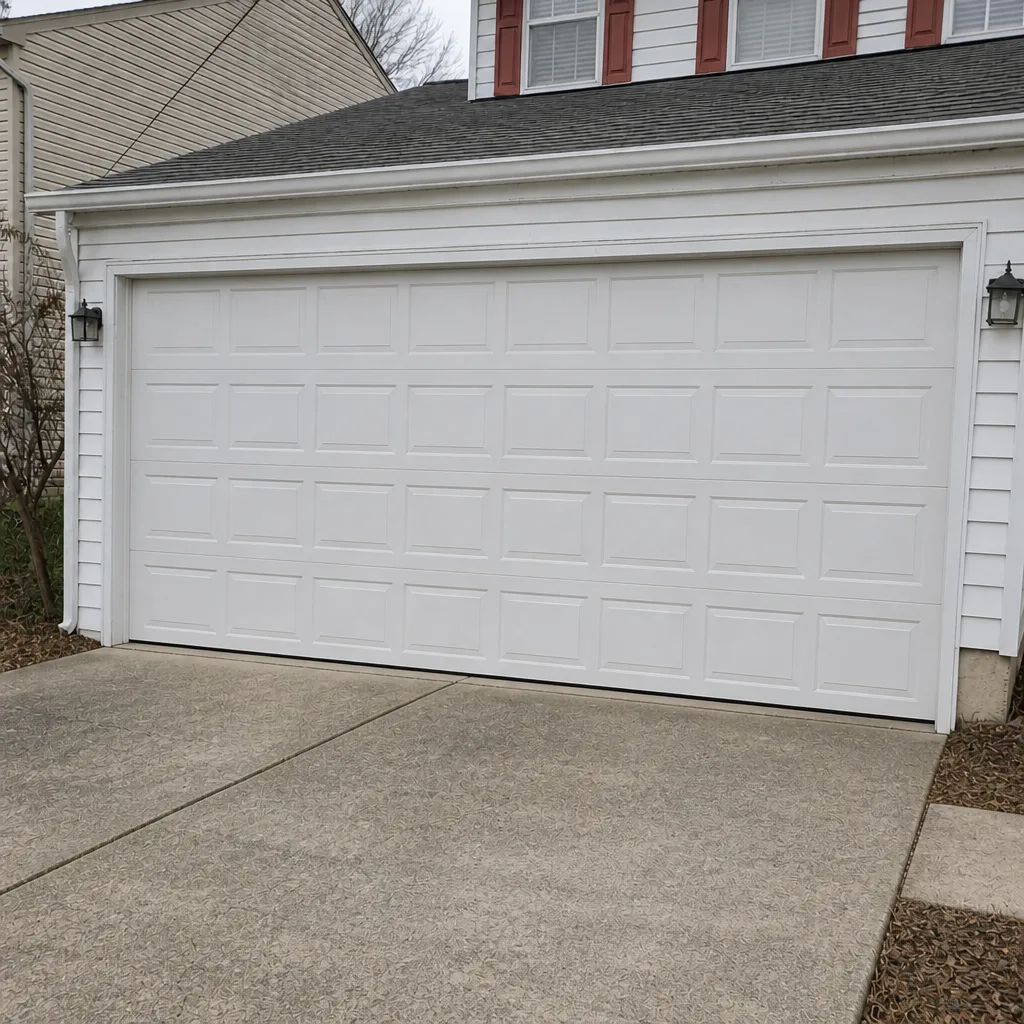
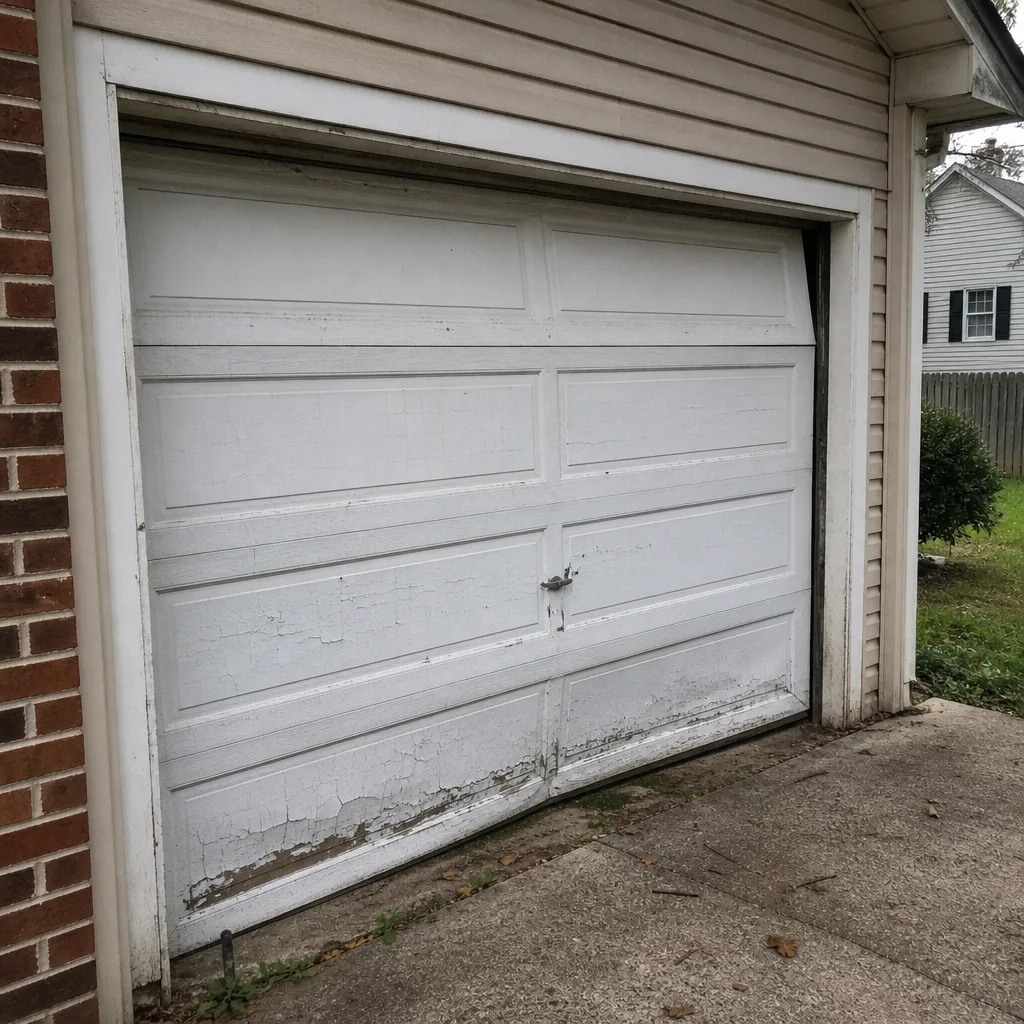
See the difference
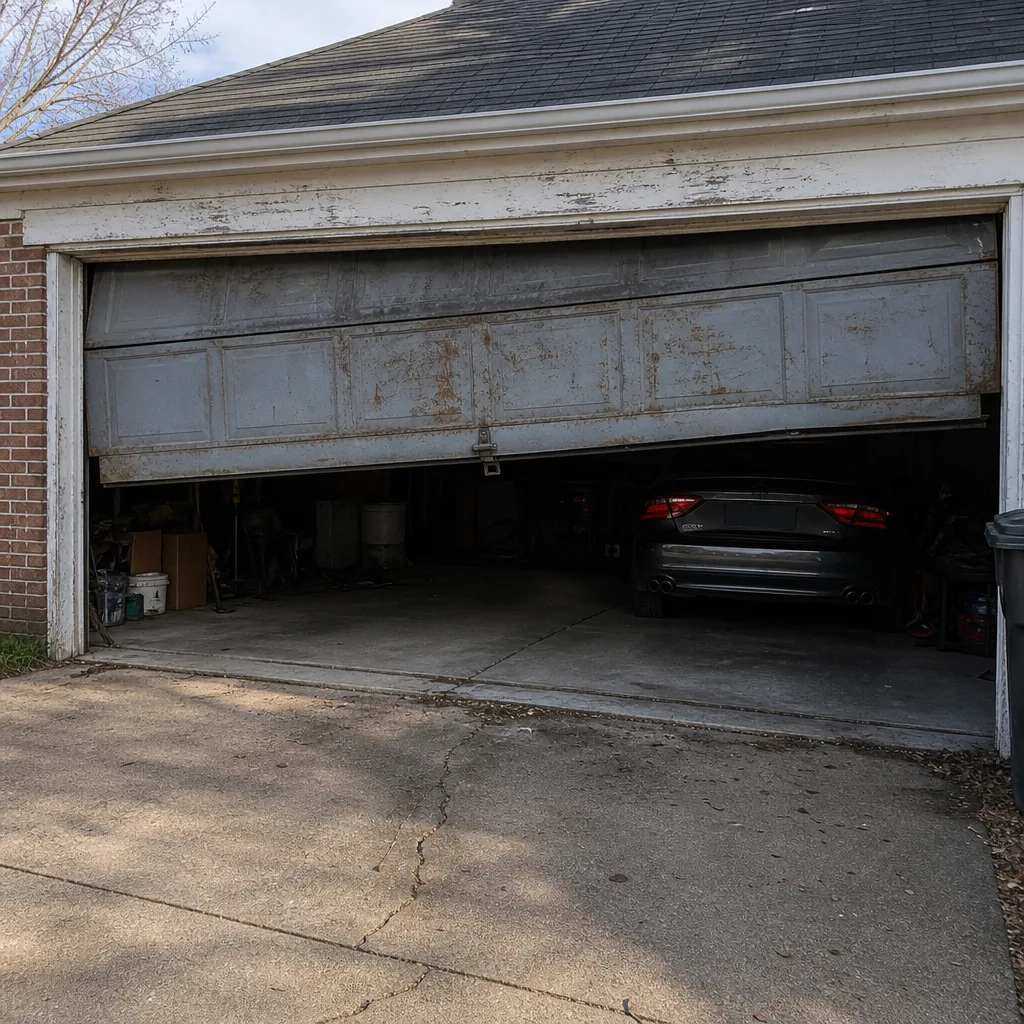 Before
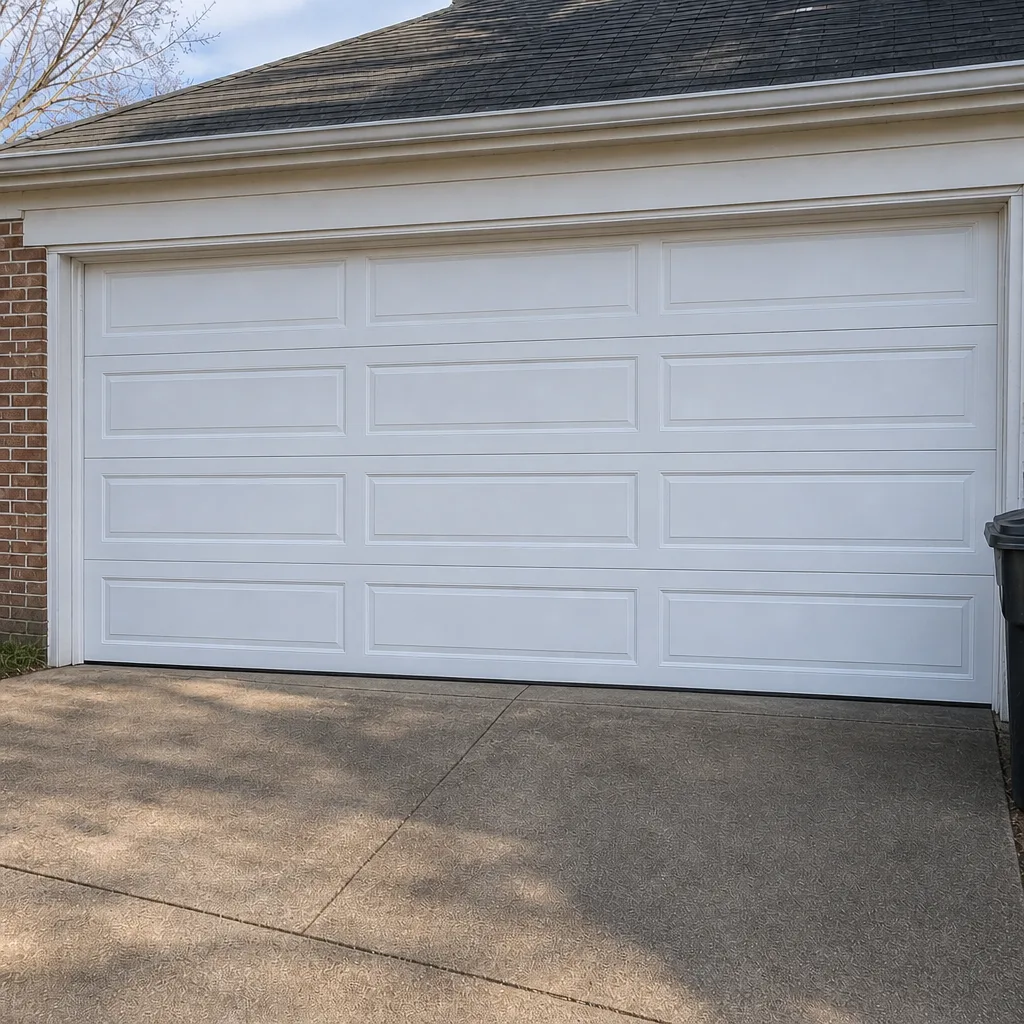 After
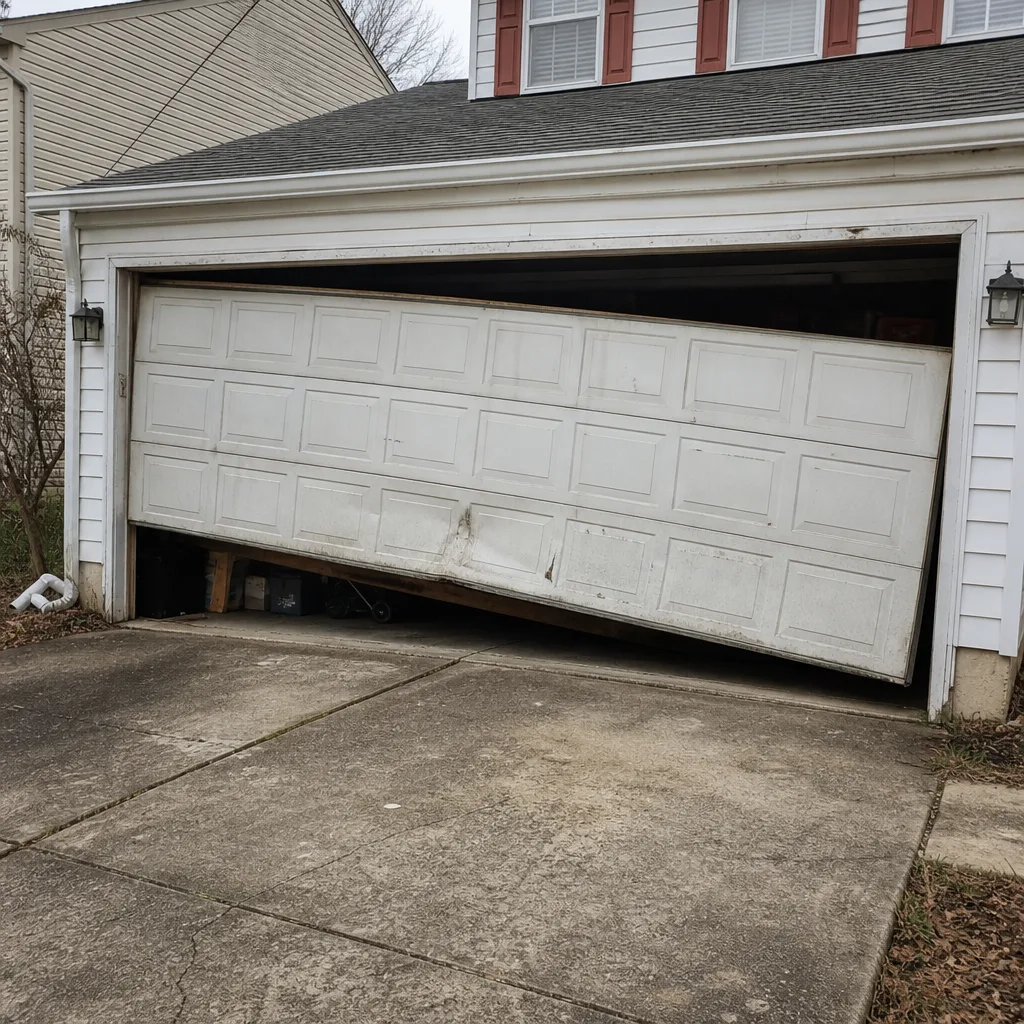 Before
 After
 Before
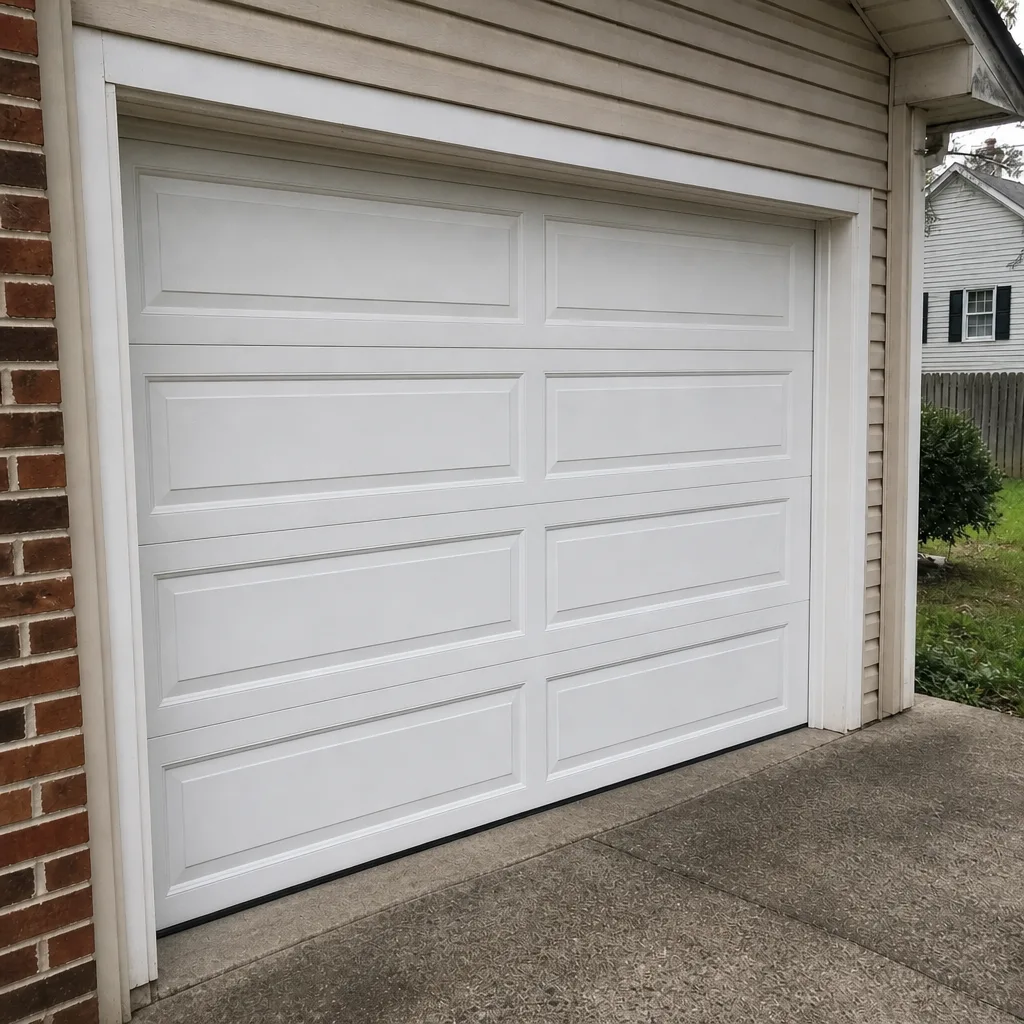 After
When to Call a Professional
Call a professional if you see a broken spring or a frayed cable, if the door is stuck or hanging unevenly, if it’s become noticeably heavy to lift, or if the safety reversal test fails. Any of those is beyond a listen-and-watch situation. Beyond the urgent cases, call when the noise or slowness has been building for a few weeks – a trained technician can catch problems before they become failures. We handle garage door repair as a single-trade focus, so we’re not a generalist guessing at the problem. Bowie Garage Door Repair Pros offers free estimates in Bowie – call (833) 754-7945.
Frequently Asked Questions
The most common warning signs are unusual noises (grinding, squealing, popping, rattling), a door that moves slowly or hesitates, visible cable fraying, track misalignment, a visible gap in the torsion spring, and a failed safety reversal test. Noise and slowness usually mean schedule a repair; a broken spring, a frayed cable, or a failed reversal test mean stop using the door today. Call (833) 754-7945 if you’re not sure which category your door falls into.
Most garage doors give two to eight weeks of warning before they fail completely, though the timing depends on the component. A worn roller or a dry hinge can show signs for a long time before it becomes a real problem, while a weakened spring can give only a week or two of “heavy door” signals before it breaks. The earlier you act on the signs, the cheaper the repair tends to be.
Grinding isn’t usually a stop-using-the-door situation, but it shouldn’t wait too long. Grinding is often worn rollers, dry hinges, or friction, and these are fixable. Left alone, friction adds strain to the opener and the springs. Schedule a repair within two weeks. If the grinding is accompanied by a popping sound or the door becoming heavy, stop using it and call right away.
A door that hesitates before moving is usually straining the opener or fighting a spring that’s lost tension. Test it by disconnecting the opener and lifting the door by hand: if it’s still heavy, the springs need attention; if it lifts easily but struggles with the opener, the opener itself is the issue. Either way it’s a repair situation, so call a professional for a diagnosis.
Test the safety reversal once a month, using a small object under the door and checking that the door reverses without hesitation. Also test the photoelectric sensors near the floor if your door has them. A failed test is a safety concern, not a cosmetic one – have it adjusted by a professional before using the door again.
Sound gets you close but not all the way. Grinding usually points to rollers, hinges, or metal contact; squealing to friction in the track; popping to a spring or cable issue; rattling to loose hardware. The location of the sound – one side, the center, or the opener unit – narrows it further. A professional diagnosis confirms it, especially for anything involving the springs or cables.
The Bottom Line
Garage doors tell you what’s wrong before they stop working. The four sounds point to specific components, an inside inspection catches frayed cables and spring gaps, a slow start means opener strain or spring tension loss, and a monthly reversal test keeps the safety system honest. Sort what you find into “schedule within two weeks” and “stop today,” and you’ll avoid the 7 a.m. door failure almost every time. If your door has been sending signals, the honest move is a diagnosis before it’s an emergency. For expert garage door opener repair and spring work in Bowie, call (833) 754-7945 for a free estimate from Bowie Garage Door Repair Pros and get a straight answer on what your door actually needs.
Written by the team at Bowie Garage Door Repair Pros.